

What is a Lithium-Ion Battery Powder Material Pneumatic Conveying Line? And What Are Its Design Prin
Understanding the lithium-ion battery powder material pneumatic conveying line is crucial for industries involved in battery manufacturing. This specialized system is designed to efficiently transport fine powders, such as those used in lithium-ion battery production, with precision and reliability. The design principles behind these systems are tailored to address the unique challenges of handling sensitive and high-value materials, ensuring minimal product degradation and optimal operational performance.
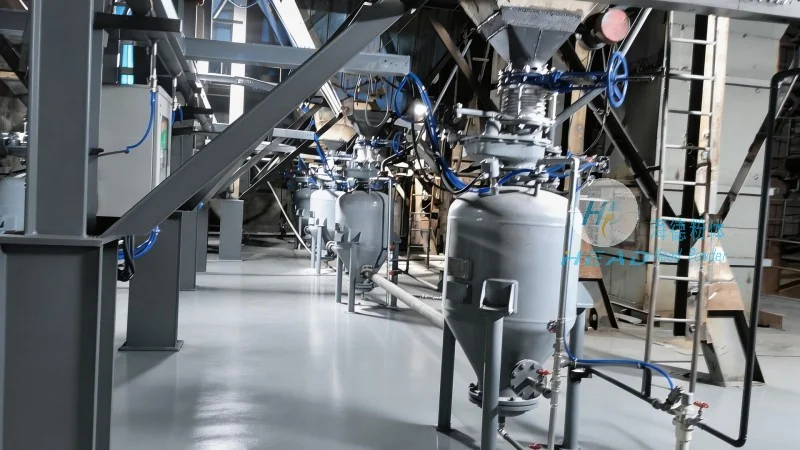
Introduction to Lithium-Ion Battery Powder Material Pneumatic Conveying Lines
A lithium-ion battery powder material pneumatic conveying line is a sophisticated industrial system engineered to transport powders, particularly those used in the production of lithium-ion batteries, through a pressurized or vacuum system. These lines are essential in battery manufacturing facilities, where the consistent and safe movement of raw materials like cathode active materials, anode powders, and other additives is critical for maintaining production efficiency and product quality. The system typically comprises a series of components, including a hopper, feeder, conveying pipe, and control unit, all working in tandem to ensure smooth material flow.
Key Components and Their Functions
The design of a lithium-ion battery powder material pneumatic conveying line involves several key components, each playing a vital role in the overall operation. The hopper serves as the storage container for the powder material, providing a controlled environment to prevent contamination and moisture ingress. The feeder, often a rotary valve or screw feeder, regulates the flow of material from the hopper into the conveying line, ensuring a consistent and controlled discharge rate. The conveying pipe, usually made of stainless steel or other corrosion-resistant materials, transports the powder under pressure or vacuum. The control unit, equipped with sensors and valves, monitors and adjusts the system parameters to maintain optimal performance and prevent blockages or overpressure situations.
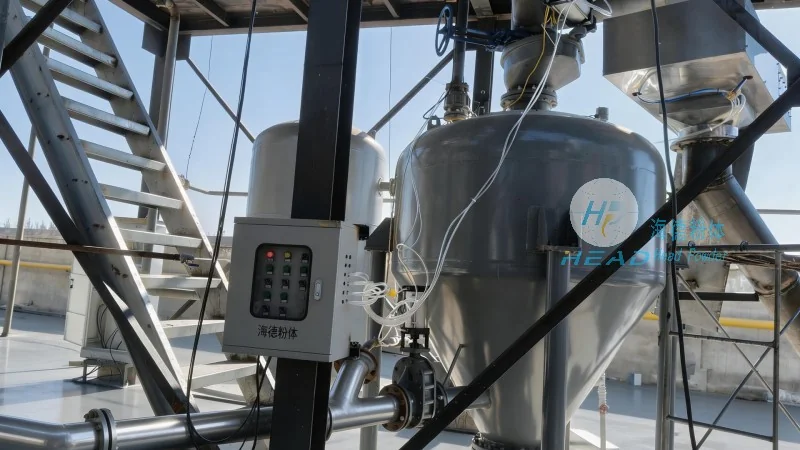
Design Principles and Operational Considerations
The design principles of a lithium-ion battery powder material pneumatic conveying line are centered on efficiency, safety, and material integrity. One of the primary considerations is the prevention of material degradation, which can occur due to friction, impact, or exposure to air. To mitigate this, the system is designed with smooth, low-friction surfaces and gentle material handling mechanisms, such as pneumatic conveying rather than mechanical conveying, which minimizes particle breakage. Additionally, the system incorporates features to prevent dust accumulation and ensure proper filtration, as fine powders can be hazardous if inhaled or cause equipment damage. The design also emphasizes energy efficiency, with optimized pressure and flow rates to reduce operational costs while maintaining performance.
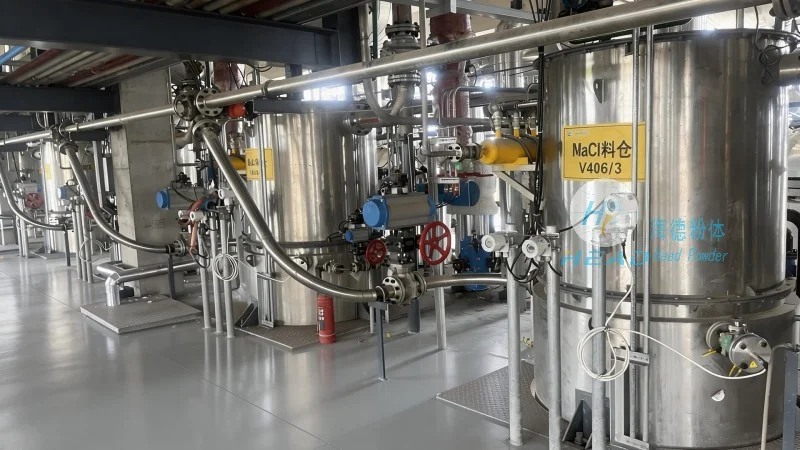
Application in Battery Manufacturing
In the context of lithium-ion battery production, the lithium-ion battery powder material pneumatic conveying line is used to transport critical raw materials from storage to processing equipment, such as mixers, extruders, and coating machines. The system ensures that these materials are delivered in a uniform and controlled manner, which is essential for achieving consistent battery performance and quality. For example, the conveying of cathode active materials, which are often high-value and sensitive, requires a system that can handle them with minimal loss and contamination. The pneumatic conveying line, with its precise control and gentle handling, meets these requirements, making it an indispensable part of modern battery manufacturing processes.
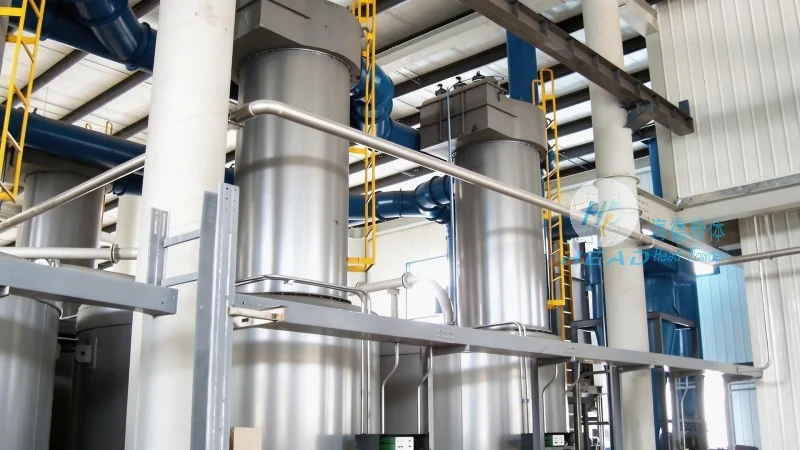
Advantages of Using a Pneumatic Conveying System
Compared to traditional mechanical conveying methods, a lithium-ion battery powder material pneumatic conveying line offers several advantages. First, it provides a closed system, which helps maintain material purity and prevents environmental contamination. This is particularly important for battery powders, which can be hazardous if released into the atmosphere. Second, the system offers high flexibility, allowing for changes in material flow rates and destinations without major modifications. Third, it reduces labor costs by automating the material handling process, minimizing the need for manual intervention and associated risks. Finally, the system is highly scalable, making it suitable for both small-scale and large-scale battery production facilities.
Conclusion
Shandong HeadPowder Engineering Co., Ltd., based in Shandong, China, specializes in the design and manufacturing of advanced pneumatic conveying systems for the battery industry. With a focus on innovation and customer-centric solutions, the company provides customized lithium-ion battery powder material pneumatic conveying lines that meet the specific needs of its clients. By adhering to rigorous design principles and using high-quality materials, HeadPowder ensures that its systems deliver reliable performance, enhance production efficiency, and contribute to the overall success of battery manufacturing operations. The company's commitment to quality and customer satisfaction has made it a trusted partner in the battery industry, helping businesses achieve their production goals while maintaining the highest standards of safety and material integrity.