

What is a Denitrification Urea Material Pneumatic Conveying Line? What Are Its Design Principles?
Denitrification urea material pneumatic conveying lines are specialized systems designed to transport urea, a key component in denitrification processes, from storage to processing units efficiently and safely. These systems are critical in industrial applications where precise and controlled movement of urea is essential for maintaining the effectiveness of denitrification operations. The design of such lines involves careful consideration of material properties, system efficiency, and operational safety.
Understanding the Core Components and Functionality
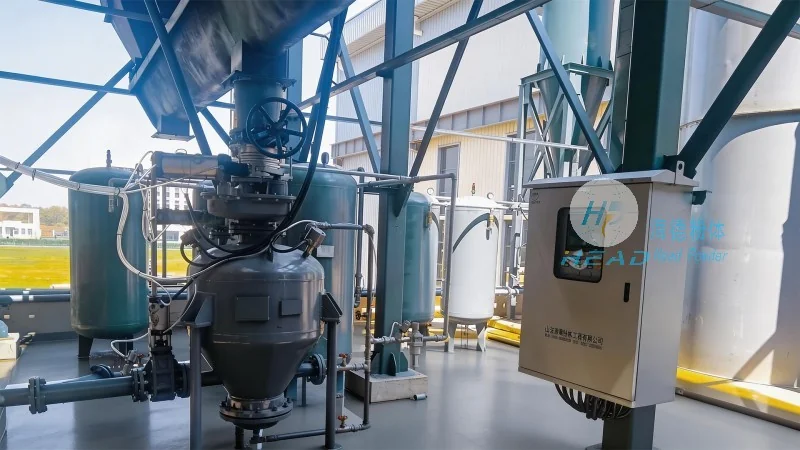
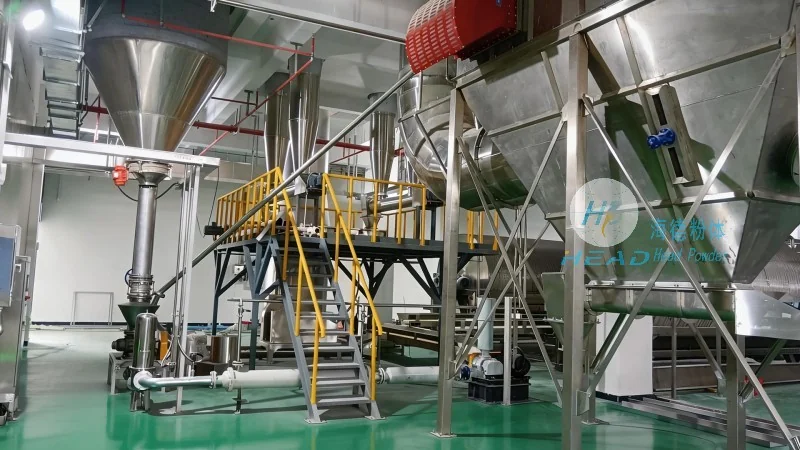
At the heart of a denitrification urea material pneumatic conveying line lies a combination of key components that work in tandem to achieve reliable material transport. The primary elements include a feeding system, a conveying pipeline, a control unit, and a discharge mechanism. The feeding system, often equipped with a hopper or a rotary valve, ensures a consistent and controlled supply of urea into the system. The conveying pipeline, typically made of corrosion-resistant materials like stainless steel or special polymers, is designed to handle the abrasive and potentially moisture-sensitive nature of urea. The control unit manages the air flow and pressure, regulating the speed and direction of the material movement. Finally, the discharge mechanism, such as a rotary valve or a pneumatic receiver, ensures the urea is delivered to the next stage of the denitrification process without loss or contamination.
Design Principles and Key Considerations
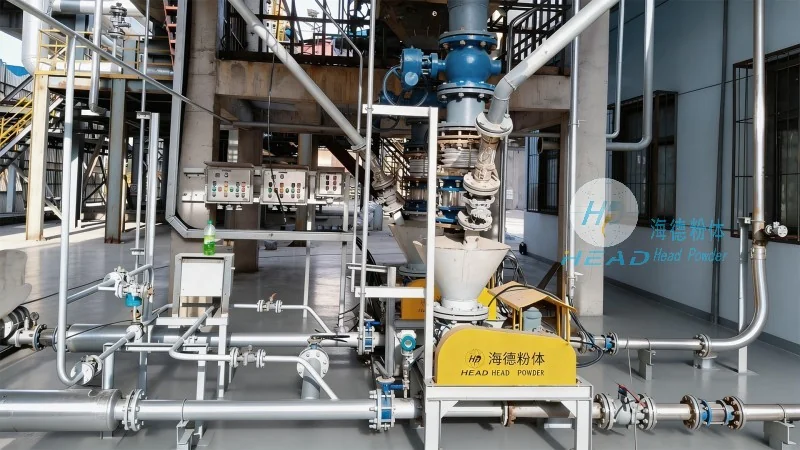
The design principles for denitrification urea material pneumatic conveying lines are centered on optimizing performance, minimizing energy consumption, and ensuring operational safety. One of the fundamental principles is the selection of appropriate air velocity and pressure to achieve efficient particle suspension and transport. Engineers must consider the particle size, density, and flow characteristics of urea to determine the optimal air flow rates. Additionally, the system design must account for the potential for urea to agglomerate or clog the pipeline, incorporating features like pulse jets or vibration systems to maintain flow. Another critical consideration is the prevention of material degradation or loss due to moisture absorption, which may require the use of dry air or desiccant systems within the conveying line. The overall design also emphasizes the integration of safety features, such as pressure relief valves and over-temperature sensors, to protect both the equipment and personnel from potential hazards.
About Shandong HeadPowder Engineering Co., Ltd.
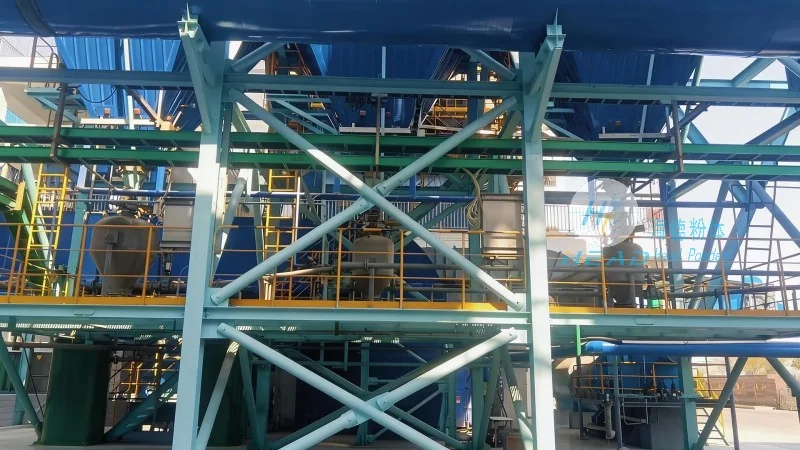
Shandong HeadPowder Engineering Co., Ltd., commonly known as HeadPowder, is a leading provider of industrial material handling solutions, including denitrification urea material pneumatic conveying lines. With a strong focus on innovation and customer satisfaction, HeadPowder has established itself as a trusted partner in the chemical and environmental industries. The company’s expertise lies in designing and manufacturing customized pneumatic conveying systems tailored to the specific needs of denitrification processes. HeadPowder’s team of engineers and technicians work closely with clients to understand their operational requirements and develop solutions that enhance efficiency, reduce downtime, and ensure compliance with industry standards. Based in Shandong, China, HeadPowder leverages its local presence and technical capabilities to deliver high-quality, reliable equipment that meets the demands of modern industrial applications. The company’s commitment to quality and service has earned it a reputation for excellence in the field of material handling, making it a preferred choice for businesses seeking advanced solutions for their denitrification urea transport needs.