

Working Principle and Features of Lithium-Ion Battery Pneumatic Conveying Equipment
HeadPowder, a leading manufacturer based in Shandong, China, specializes in advanced pneumatic conveying systems designed for handling lithium-ion battery materials. This article explores the fundamental working principles and key characteristics of such equipment, providing a comprehensive overview for industry professionals and potential clients.
Working Principle of Lithium-Ion Battery Pneumatic Conveying Equipment
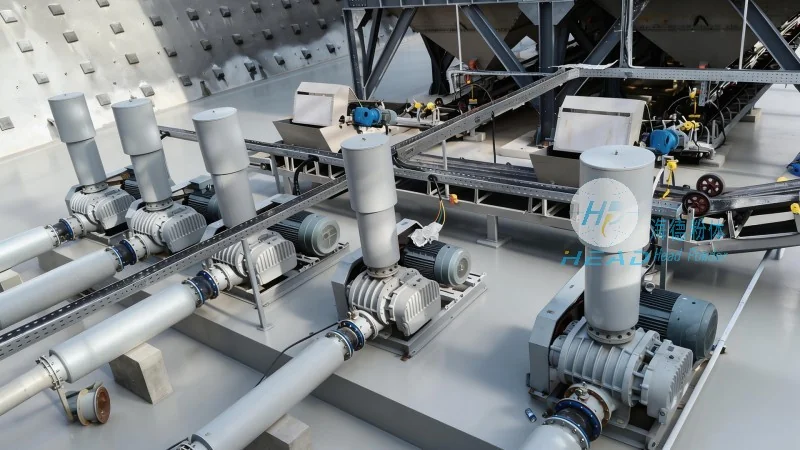
The core mechanism of lithium-ion battery pneumatic conveying systems involves the use of compressed air to transport powders or granules, such as battery active materials (e.g., lithium carbonate, nickel oxide, cobalt oxide), from one location to another. The process typically operates under negative pressure or positive pressure, depending on the specific application requirements. In negative pressure systems, a vacuum is created at the receiving end to draw material into the conveying line. Conversely, positive pressure systems use compressed air to push material through the pipeline. The equipment includes key components like a hopper, feeder, air compressor, filter, and control system, all working in tandem to ensure efficient and safe material transport. The conveying process is controlled by precise air flow regulation, ensuring consistent material movement and preventing material degradation or contamination.
Key Features of Lithium-Ion Battery Pneumatic Conveying Equipment
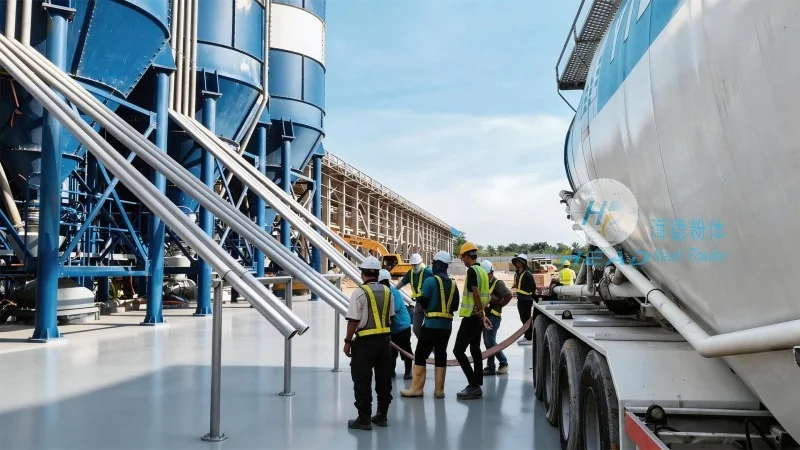
HeadPowder's lithium-ion battery pneumatic conveying equipment is engineered with several distinct features that enhance performance and reliability. Firstly, the systems are designed with high-precision feeding mechanisms to maintain consistent material flow rates, which is critical for maintaining the quality and uniformity of battery materials. Secondly, the equipment incorporates advanced filtration and cleaning systems to prevent dust accumulation and ensure compliance with environmental regulations. Thirdly, the conveying lines are constructed from materials resistant to corrosion and chemical exposure, such as stainless steel, to handle the aggressive nature of battery active materials. Additionally, the control systems are equipped with real-time monitoring and data logging capabilities, allowing operators to track performance metrics and identify potential issues promptly. These features collectively contribute to improved operational efficiency, reduced downtime, and enhanced product quality.
Application-Specific Design Considerations
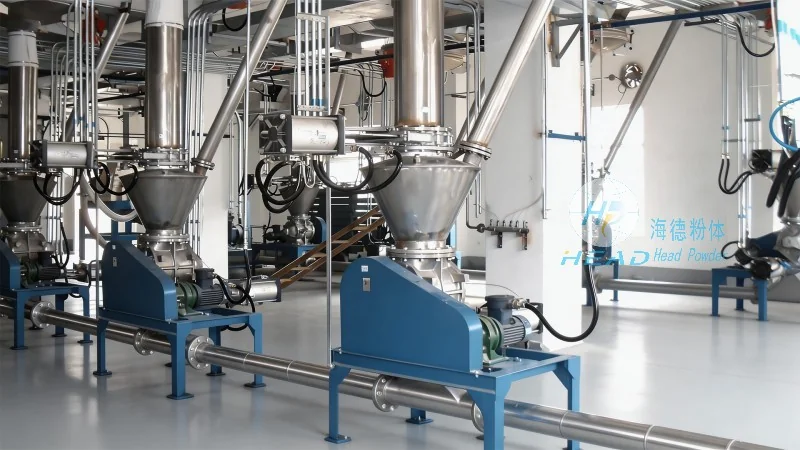
When designing pneumatic conveying systems for lithium-ion battery production, several factors must be considered to optimize performance. The choice between negative and positive pressure systems depends on the material's properties, such as moisture content and particle size. For example, fine powders like lithium carbonate are often better suited for negative pressure systems to prevent dust dispersion. The system's capacity is determined by the required throughput, with larger systems capable of handling higher volumes of material. Additionally, the equipment must be integrated with existing production lines, requiring compatibility with other machinery and control systems. HeadPowder's engineers work closely with clients to tailor solutions that meet specific production needs, ensuring seamless integration and optimal performance.
Advantages of Using Pneumatic Conveying for Battery Materials
Compared to traditional mechanical conveying methods, pneumatic conveying offers several advantages for lithium-ion battery material handling. The primary benefit is the ability to transport materials over long distances without the need for multiple transfer points, reducing the risk of material loss and contamination. Pneumatic systems also provide better control over material flow, minimizing the risk of overloading or underloading. Furthermore, the enclosed design of the conveying lines prevents dust exposure, improving workplace safety and environmental compliance. The systems are also more flexible, allowing for easy reconfiguration to accommodate changes in production processes. These advantages make pneumatic conveying an ideal solution for modern battery manufacturing facilities.
Conclusion
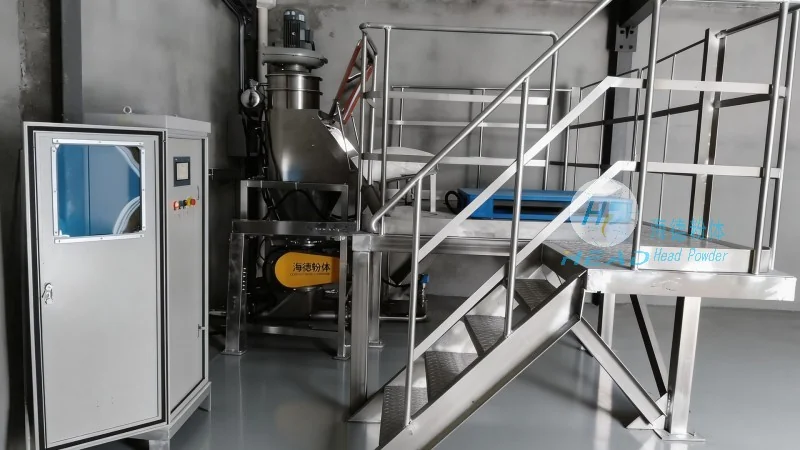
HeadPowder's lithium-ion battery pneumatic conveying equipment combines advanced technology with robust design to meet the demanding requirements of the battery industry. By understanding the working principles and key features of these systems, manufacturers can enhance operational efficiency, improve product quality, and ensure compliance with industry standards. As the demand for lithium-ion batteries continues to grow, the importance of reliable material handling systems becomes increasingly critical. HeadPowder remains committed to providing innovative solutions that support the evolving needs of the battery sector, delivering high-performance equipment that meets the highest standards of quality and reliability.