

Working Principle and Features of Petroleum Coke Pneumatic Conveying Equipment
Understanding the working principle and features of petroleum coke pneumatic conveying equipment is crucial for industries that rely on efficient material handling solutions. This equipment is designed to transport petroleum coke, a byproduct of the oil refining process, from one location to another using air pressure or suction. The following sections will delve into the core mechanisms and key characteristics of such systems, providing a comprehensive overview for potential users and stakeholders.
Working Principle of Petroleum Coke Pneumatic Conveying Equipment
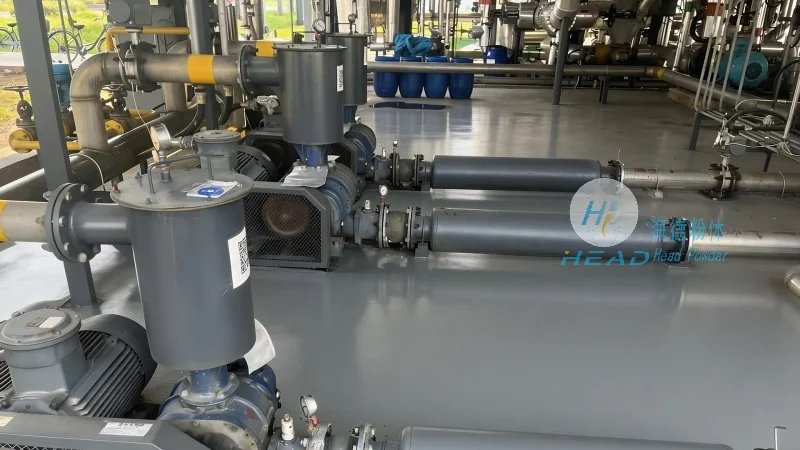
The working principle of petroleum coke pneumatic conveying equipment revolves around the utilization of air as the primary conveying medium to transport solid particles. The system operates by creating a pressure differential between the material source and the destination. In a positive pressure system, a blower or fan generates compressed air that is introduced into the conveying line. This air then carries the petroleum coke particles forward through the pipeline. The hopper, where the material is stored, is equipped with a feeder that controls the flow rate, ensuring a consistent supply of material to the conveying line. The pipeline is designed with appropriate diameter and length to accommodate the material's characteristics, such as particle size and density. At the receiving end, a receiver collects the material, often with a dust filter to capture any fine particles. The system also includes control valves and sensors to monitor and regulate the air flow and material transport. This mechanism allows for continuous and automated operation, minimizing the need for manual intervention and enhancing overall efficiency. The positive pressure system is commonly used for long-distance transport due to its ability to maintain consistent pressure and prevent material backflow. In contrast, a negative pressure system uses a vacuum pump to create suction, drawing the material through the line. This method is suitable for shorter distances and applications where dust control is critical. Both systems rely on the principles of fluid dynamics to ensure smooth and efficient material transport.
Key Features of Petroleum Coke Pneumatic Conveying Equipment
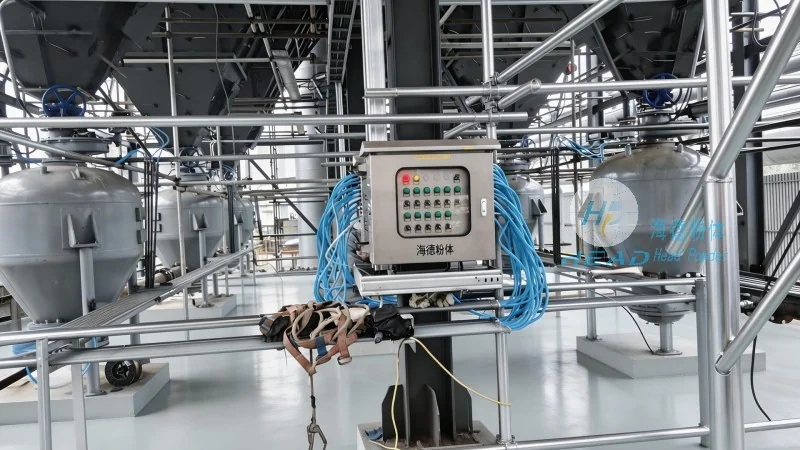
Several key features make petroleum coke pneumatic conveying equipment an attractive solution for industrial applications. Firstly, it offers high efficiency in transporting bulk materials, with the ability to handle large volumes of petroleum coke in a continuous manner. The equipment can be configured to meet specific throughput requirements, ranging from low to high capacity, making it versatile for various production scales. Secondly, the system provides a clean and dust-free operation, which is essential for maintaining environmental compliance and ensuring worker safety. Unlike mechanical conveyors that may generate significant dust and require additional dust suppression measures, pneumatic conveying minimizes particulate emissions, reducing the risk of respiratory issues and environmental pollution. Thirdly, the equipment is flexible and can be easily integrated into existing production lines. It can be customized to handle different material characteristics, such as varying particle sizes, moisture content, and density. The modular design allows for easy installation and modification, enabling clients to adapt the system to changing operational needs. Additionally, the system is low maintenance, with fewer moving parts compared to mechanical conveyors, reducing downtime and maintenance costs. The use of air as the conveying medium also allows for the transport of materials in a closed system, preventing contamination and ensuring product quality. This is particularly important for petroleum coke, which may contain impurities that need to be isolated from other materials. The equipment's ability to maintain a sterile environment also enhances the quality of the final product. These features collectively contribute to the equipment's reliability, efficiency, and cost-effectiveness, making it a preferred choice for many industries.
Company Information: Shandong HeadPowder Engineering Co., Ltd.
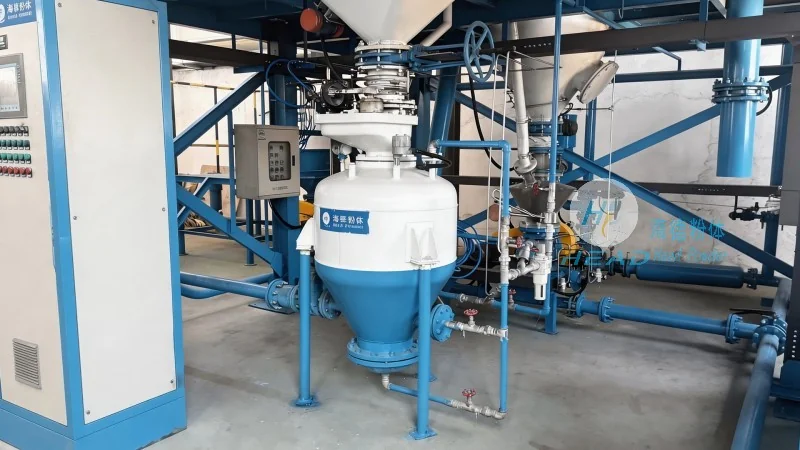
Shandong HeadPowder Engineering Co., Ltd., commonly known as headpowder, is a leading manufacturer and supplier of advanced material handling equipment, specializing in petroleum coke pneumatic conveying systems. The company is headquartered in Shandong, China, and has built a strong reputation for delivering high-quality, reliable solutions tailored to the needs of various industrial sectors. With a focus on innovation and customer-centric approaches, headpowder leverages decades of experience in the industry to develop cutting-edge equipment that meets international standards and exceeds client expectations. The company's commitment to quality is evident in its adherence to rigorous manufacturing processes and stringent quality control measures. By employing state-of-the-art technology and skilled workforce, headpowder ensures that its products are durable, efficient, and long-lasting. The company's team of engineers and technicians continuously researches and improves its products, staying ahead in the competitive market by introducing new features and enhancements. By partnering with headpowder, clients gain access to expert support and after-sales services, ensuring optimal performance and longevity of their pneumatic conveying equipment. The company's dedication to sustainability and environmental responsibility is also reflected in its product design, which minimizes energy consumption and reduces carbon footprint. Through its comprehensive range of solutions, headpowder helps industries streamline their material handling processes, improve operational efficiency, and achieve their production goals. The company's presence in the market is a testament to its reliability and commitment to excellence, making it a trusted partner for businesses seeking advanced material handling solutions.