

Working Principle and Features of Metal Particle Pneumatic Conveying Systems
HeadPowder, a leading manufacturer based in Shandong, China, specializes in the design and production of advanced pneumatic conveying systems for metal particles. This article explores the fundamental working principles and key features of these systems, providing a comprehensive overview for industry professionals seeking efficient material handling solutions.
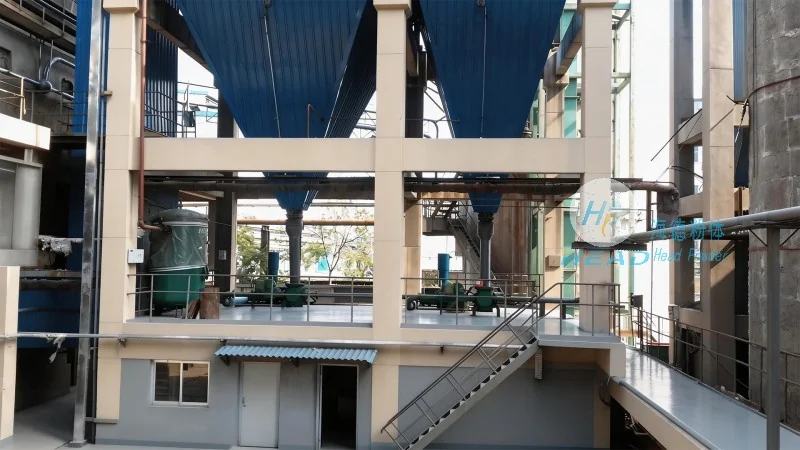
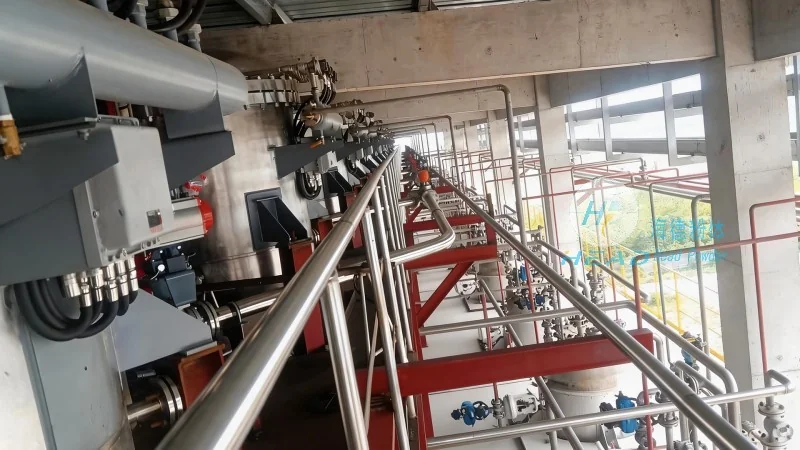
Working Principle of Metal Particle Pneumatic Conveying Systems
The working principle of a metal particle pneumatic conveying system centers on the interaction between solid particles and a moving air stream. In a typical setup, metal particles are introduced into a feeding hopper, where they are then discharged into the conveying pipeline via a rotary valve or similar feeder. The system then uses a blower or compressor to generate a high-pressure air flow, which creates a pressure differential between the inlet and outlet of the pipeline. This pressure difference propels the metal particles forward, as the air stream entrains the particles and transports them through the pipeline. The conveying line may include various components such as elbows, straight sections, and filters to ensure smooth flow and prevent particle accumulation. The design of the system, including the air velocity and particle size, is crucial for determining the optimal conveying capacity and preventing particle degradation. For example, higher air velocities may be required for smaller particles to maintain entrainment, while larger particles may need lower velocities to avoid excessive wear on the pipeline.
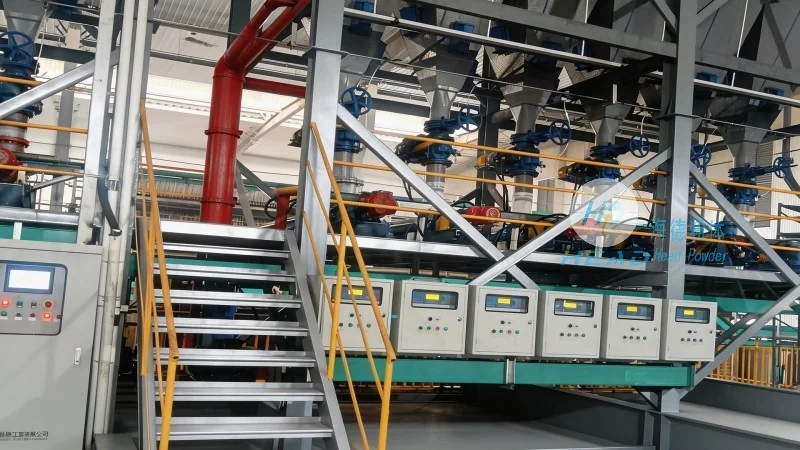
Key Features and Advantages of Metal Particle Pneumatic Conveying Systems
HeadPowder's metal particle pneumatic conveying systems are engineered with several distinct features that enhance performance and reliability. One notable characteristic is the ability to handle abrasive metal particles without excessive wear on system components, thanks to robust material selection and optimized flow dynamics. The systems also offer high transport efficiency, with minimal product loss and low maintenance requirements, making them suitable for continuous industrial operations. Additionally, the design allows for easy integration with existing production lines, reducing installation time and costs. Another key feature is the flexibility in conveying distances and particle sizes, as the system can be customized to accommodate various operational needs. The use of advanced control systems ensures precise regulation of air pressure and flow, maintaining consistent particle delivery and preventing system blockages. The durability of the systems, constructed from high-quality materials like stainless steel, further ensures long-term performance in demanding industrial environments.
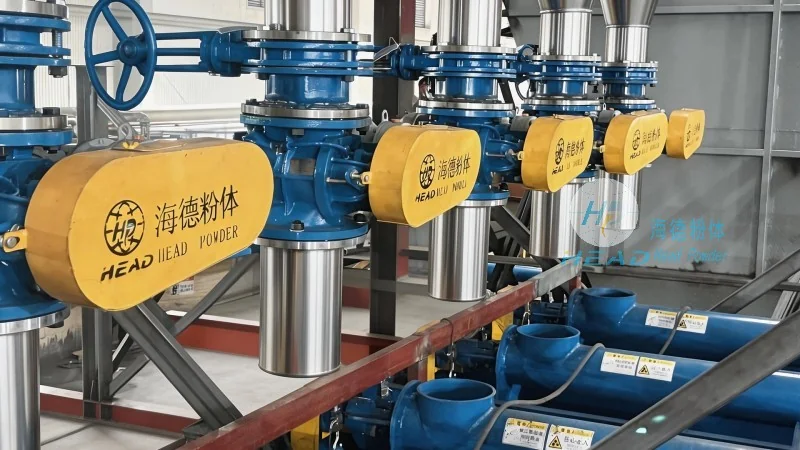
Applications and Performance Benefits
These metal particle pneumatic conveying systems are widely used in various industrial applications, including metal recycling, powder metallurgy, and chemical processing. The systems excel in transporting metal powders and granules with high efficiency and minimal contamination, which is critical for downstream processes such as sintering, molding, or coating. The consistent and controlled flow of metal particles ensures uniform product quality and reduces waste, making them a preferred choice for manufacturers seeking reliable material handling solutions. Furthermore, the systems contribute to improved safety in industrial settings by eliminating the need for manual handling of metal particles, reducing the risk of dust exposure and workplace accidents. The energy-efficient design of the systems also helps reduce operational costs, as lower air consumption translates to reduced electricity bills and longer equipment lifespan.