Understanding the design and operation of lithium carbonate powder handling equipment is crucial for industries that rely on the efficient and safe processing of this critical material. This equipment is specifically engineered to manage the unique challenges associated with handling lithium carbonate, a key component in the production of lithium-ion batteries and other high-value applications.
Key Components and Functions of Lithium Carbonate Powder Handling Equipment
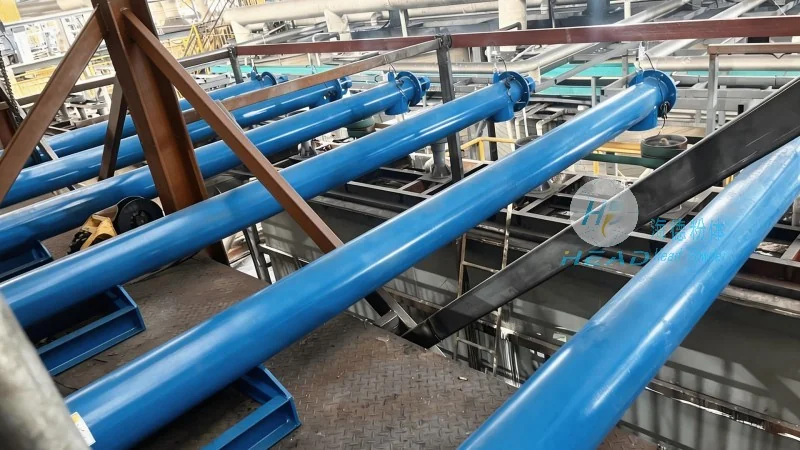
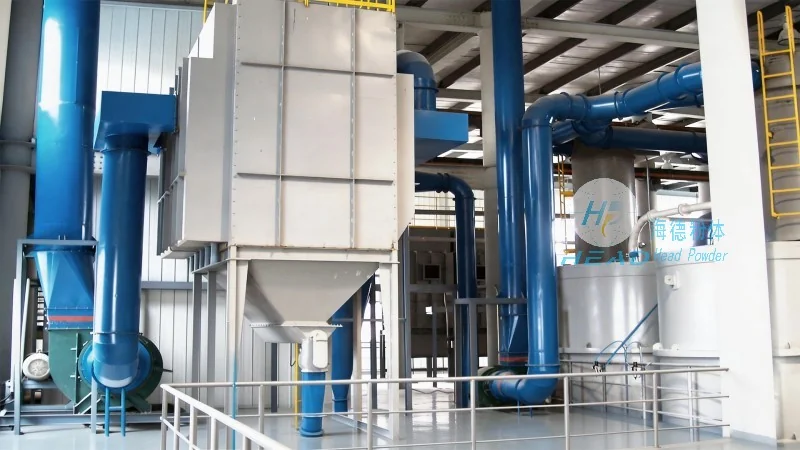
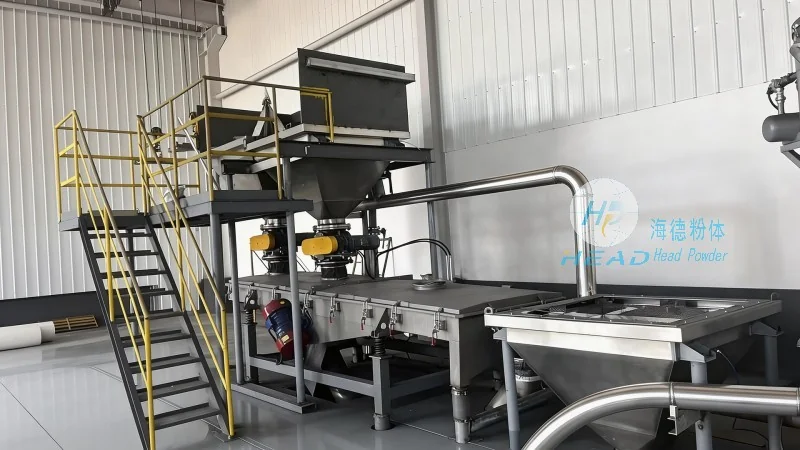
The core components of a typical lithium carbonate powder handling system include feed hoppers, conveyors (such as screw conveyors or pneumatic systems), dust collection units, and control panels. These components work in tandem to ensure the material is moved, stored, and processed with minimal risk of contamination or loss. The feed hopper is designed to hold a sufficient quantity of lithium carbonate, allowing for continuous or batch processing as required. Conveyors then transport the powder to processing units or storage silos, while dust collection systems prevent airborne particles from escaping into the environment, ensuring compliance with safety and environmental regulations. The feed hopper is typically made of stainless steel or other corrosion-resistant materials to withstand the chemical properties of lithium carbonate. It may include a level indicator to monitor the material volume, and a discharge valve to control the flow rate. The conveyor system, whether mechanical or pneumatic, is designed to handle the specific flow characteristics of lithium carbonate. For example, screw conveyors are often used for horizontal or slight incline transport, while pneumatic systems are suitable for vertical or long-distance transport. The choice of conveyor type depends on factors such as the material's bulk density, flowability, and the required processing speed. Dust collection units are critical for maintaining a safe working environment. These units may include cyclone separators, bag filters, or electrostatic precipitators, which capture and remove fine particles from the air. The collected dust is then stored in a separate container for disposal or reuse, depending on the regulations and the material's properties.
Design Principles for Efficient and Safe Operation
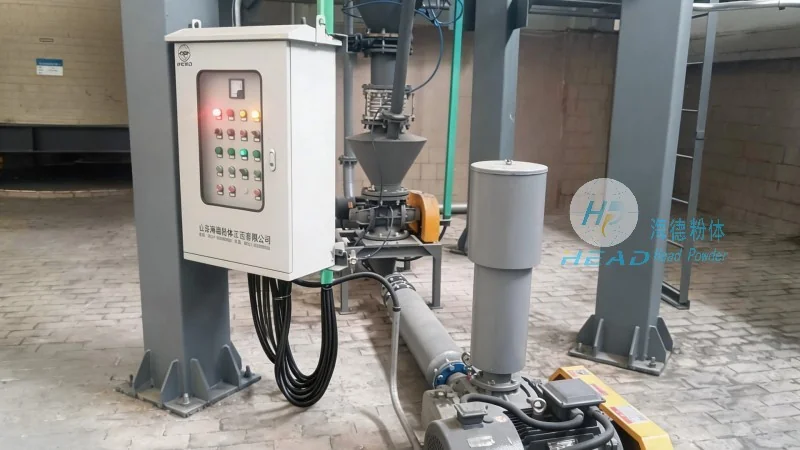
The design of lithium carbonate powder handling equipment follows several key principles to maximize efficiency and safety. One of the primary considerations is the prevention of static electricity buildup, which can be hazardous when handling fine powders. Therefore, equipment is often constructed with conductive materials or equipped with grounding systems to dissipate static charges. Additionally, the design incorporates features to minimize material degradation, such as using smooth, non-abrasive surfaces and gentle conveying mechanisms to avoid particle breakage or agglomeration. The system also prioritizes dust control, with integrated filters and ventilation systems that capture and neutralize airborne particles, protecting both personnel and the environment. Another important design principle is the minimization of material segregation. Segregation occurs when different particle sizes or densities separate during handling, which can affect the quality of the final product. To prevent this, equipment is designed with features such as baffles or mixing zones that keep the material homogeneous. Additionally, the system may include vibration or agitation mechanisms to maintain uniformity. The control panel is another key component, as it allows operators to monitor and adjust the system's parameters in real-time. This includes adjusting the feed rate, conveyor speed, and dust collection efficiency, ensuring optimal performance and safety.
Application-Specific Considerations
When designing lithium carbonate powder handling equipment, manufacturers must consider the specific characteristics of the material and the end-use applications. For example, the particle size distribution and moisture content of lithium carbonate can affect the equipment's performance. Equipment may be tailored to handle different particle sizes, with some systems designed for fine powders and others for coarser materials. Similarly, the system's capacity and speed are adjusted based on production requirements, ensuring that it can meet the demands of high-volume manufacturing without compromising quality or safety. Application-specific considerations also include the integration of the powder handling system with other processing equipment. For example, in battery manufacturing, the lithium carbonate powder may be used as an input for mixing with other materials to form the cathode or anode. The handling equipment must be compatible with downstream processes, ensuring that the material is delivered in the correct form and quantity. This requires careful coordination between the equipment manufacturer and the end-user to ensure seamless integration. Additionally, the system's scalability is a consideration for growing businesses. As production volumes increase, the equipment can be expanded or upgraded to meet new demands, providing long-term value and flexibility.
About Shandong HeadPowder Engineering Co., Ltd.
Shandong HeadPowder Engineering Co., Ltd., commonly known as HeadPowder, is a leading provider of specialized powder handling equipment. With a focus on innovation and customer satisfaction, the company designs and manufactures equipment tailored to the unique needs of various industries. HeadPowder's facilities are located in Shandong, China, where they leverage advanced technology and skilled engineering to produce high-quality solutions. The company's commitment to quality and safety ensures that their equipment meets the stringent requirements of modern manufacturing processes, providing reliable and efficient performance for clients worldwide. HeadPowder's team of engineers and technicians has extensive experience in powder handling technology, allowing them to develop customized solutions for a wide range of applications. The company adheres to international standards such as ISO 9001 for quality management, ensuring that their products meet the highest quality and safety requirements. HeadPowder's commitment to customer support extends beyond the sale of equipment, as they provide ongoing maintenance and technical assistance to ensure the equipment operates at peak performance. This level of service helps clients maximize the return on their investment and maintain consistent production quality.




