For industries dealing with rare earth powders, efficient and reliable conveying systems are crucial for maintaining product quality and operational efficiency. This article explores the working principles and key characteristics of rare earth powder conveying systems, highlighting how these technologies ensure safe and effective material handling.
Introduction to Rare Earth Powder Conveying
Rare earth powders, such as neodymium, praseodymium, and cerium compounds, are widely used in electronics, automotive, and aerospace applications. Their unique magnetic and optical properties make them indispensable, but their fine particle size and chemical reactivity require specialized handling methods. Conveying systems for rare earth powders must address challenges like dust generation, agglomeration, and material loss to ensure consistent performance.
Working Principle of Rare Earth Powder Conveying Systems
The core of rare earth powder conveying involves several key components and processes designed to move powders from one location to another while preserving their integrity. The primary working principle revolves around creating a controlled flow of material through a series of mechanisms that minimize friction, heat generation, and particle degradation.
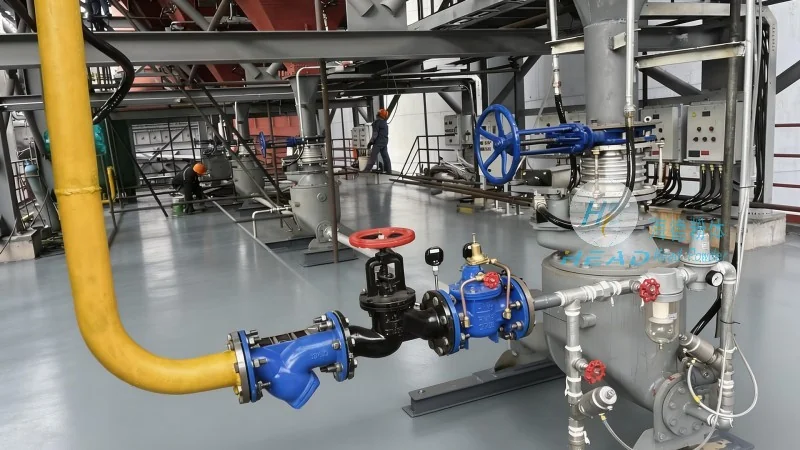
One common method is the use of pneumatic conveying systems, which utilize air pressure to transport powders in a sealed pipeline. This approach is particularly effective for fine powders as it reduces direct contact between particles and equipment, minimizing the risk of contamination and agglomeration. The system typically consists of a hopper, a rotary valve, a venturi tube, and a receiver, all working in tandem to ensure smooth material transfer.
Another widely adopted technology is the screw conveyor, which uses a rotating screw to push powders forward. This method is suitable for bulkier or less abrasive powders but requires careful maintenance to prevent wear and tear on the screw and housing. For rare earth powders, the screw design often includes special coatings or materials to resist corrosion and chemical reactions.
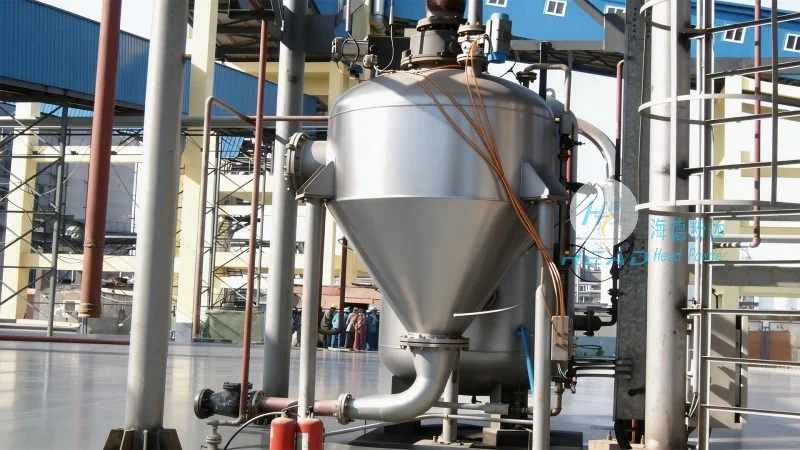
For high-volume applications, pneumatic and mechanical systems may be combined into a hybrid conveying solution. This approach leverages the advantages of both methods, providing flexibility in handling different powder types and flow rates. The hybrid system can include a primary pneumatic transport for long distances and a mechanical screw for final positioning, ensuring efficient material movement throughout the production process.
Key Characteristics of Rare Earth Powder Conveying
When evaluating rare earth powder conveying systems, several characteristics are critical to consider, including efficiency, safety, and material preservation. These features directly impact the overall performance and cost-effectiveness of the operation.
First, the system must ensure high conveying efficiency, minimizing material loss and downtime. This is achieved through precise control of air pressure, screw speed, and pipeline design. For example, the use of a venturi tube in pneumatic systems allows for adjustable air flow, enabling operators to optimize the conveying rate for different powder types. Additionally, the design of the hopper and rotary valve helps prevent material buildup and blockages, reducing the need for frequent maintenance.
Second, safety is a paramount concern due to the potential hazards associated with rare earth powders, such as dust explosions and respiratory risks. Conveying systems must incorporate features like explosion-proof designs, dust collection systems, and enclosed pipelines to mitigate these risks. The use of inert gases or controlled environments may also be employed to further enhance safety, especially for powders with high reactivity.
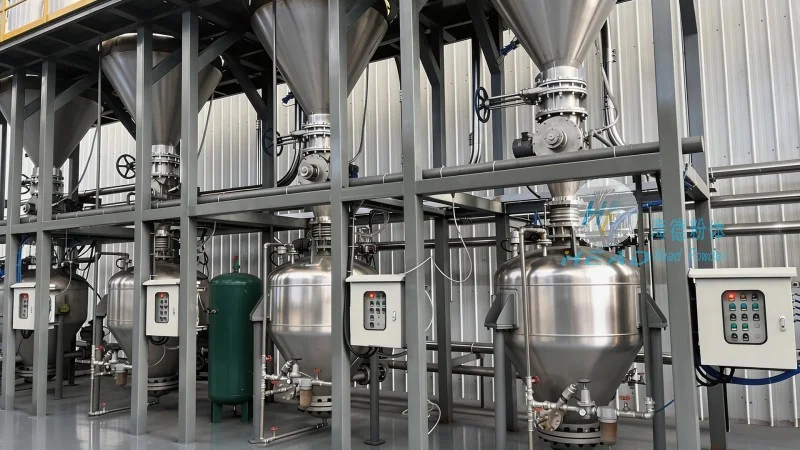
Third, the ability to preserve the physical and chemical properties of the powders is essential for maintaining product quality. This involves minimizing exposure to moisture, heat, and mechanical stress during transport. Materials like stainless steel or specialized plastics are often used for the construction of conveying components to prevent contamination and corrosion. Additionally, the system design may include temperature control mechanisms to keep the powders within their optimal processing range.
Fourth, the system's adaptability to different powder characteristics is a key characteristic. Rare earth powders vary in particle size, density, and flowability, requiring conveyors that can handle these variations. Some systems are designed with adjustable screw pitch or air flow rates, allowing for customization to accommodate different powder types. This flexibility ensures that the conveying system can be optimized for specific applications, such as transporting fine neodymium powders versus coarser cerium compounds.
Applications and Benefits in Industrial Settings
Rare earth powder conveying systems are integral to various industrial processes, from raw material handling to final product packaging. The benefits of these systems extend beyond mere material transport, contributing to overall operational efficiency and product quality.
In the manufacturing of rare earth magnets, for example, efficient conveying ensures a consistent supply of raw materials to the sintering and machining stages. This reduces downtime and improves production throughput, as the system can handle high volumes of powder without compromising quality. Similarly, in the production of rare earth phosphors for lighting applications, precise conveying helps maintain the uniformity of the powder blend, which is critical for the final product's performance.
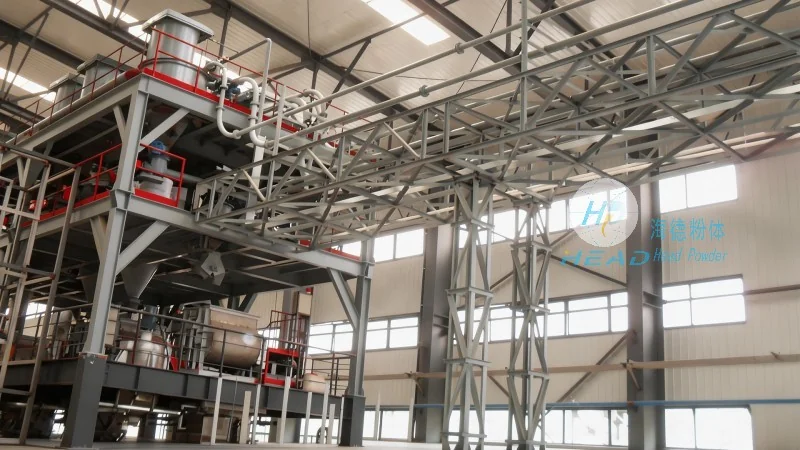
The use of advanced conveying technologies also reduces operational costs by minimizing material waste and maintenance requirements. By preventing agglomeration and dust generation, the systems extend the lifespan of equipment and reduce the need for frequent cleaning or replacement of components. Additionally, the controlled environment of these systems helps maintain the purity of the powders, which is essential for applications where even minor impurities can affect performance.
Furthermore, the integration of modern control systems allows for real-time monitoring and adjustment of the conveying process. Sensors can track flow rates, pressure, and temperature, providing operators with data to optimize performance and detect potential issues before they become major problems. This level of automation enhances the reliability of the system and contributes to a more stable production environment.
Conclusion and Company Overview
Efficient rare earth powder conveying systems are essential for industries relying on these critical materials. By understanding the working principles and key characteristics of these systems, manufacturers can select the most appropriate technology to meet their specific needs, ensuring optimal performance, safety, and cost-effectiveness.
Shandong HeadPowder Engineering Co., Ltd., a leading provider of powder handling solutions, specializes in designing and manufacturing conveying systems tailored to the unique requirements of rare earth powders. With years of experience in the industry, the company has developed advanced technologies that address the challenges of handling fine, reactive powders, ensuring reliable and efficient material transport for its clients. HeadPowder's commitment to quality and innovation has made it a trusted partner for businesses seeking to enhance their rare earth powder processing capabilities.




