Understanding the operational mechanics of cassava powder conveying lines is crucial for optimizing processing efficiency in industries that handle this specific raw material. At the core of these systems lies a series of interconnected components designed to transport cassava powder from one point to another with precision and reliability. The process typically begins with the intake of raw cassava powder, which is then fed into a hopper or feeder. This initial stage ensures a consistent flow of material, preventing blockages and maintaining uniformity in the feed rate. From the feeder, the powder is transferred to a conveyor system, which may include screw conveyors, pneumatic ducts, or belt conveyors, depending on the specific design and application requirements.
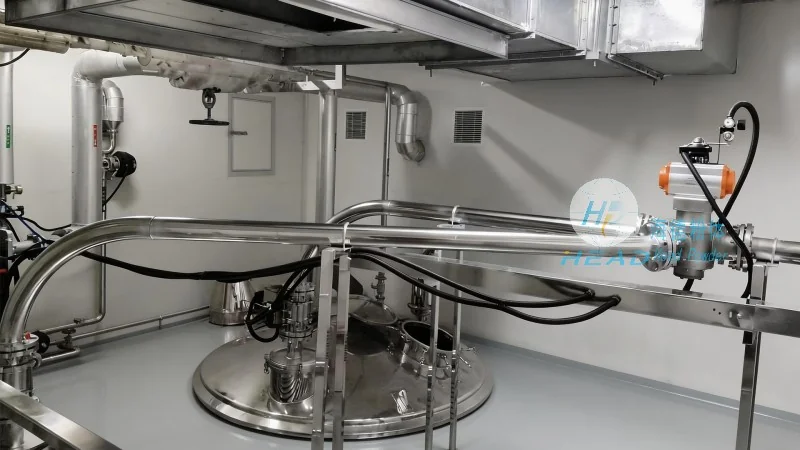
Key Components and Their Functions
The effectiveness of a cassava powder conveying line is largely determined by the integration of several critical components. The hopper or feeder plays a vital role in regulating the flow of powder, ensuring that the material is delivered at a controlled rate to the conveyor. This component helps maintain a steady supply, which is essential for downstream processing steps. The conveyor itself, whether mechanical or pneumatic, is responsible for the actual movement of the powder. Mechanical conveyors, such as screw or belt conveyors, use physical force to move the material, while pneumatic systems utilize air pressure to transport the powder through ducts. Each type has its advantages and is selected based on factors like material characteristics, distance, and environmental considerations. For instance, screw conveyors are ideal for handling dry, free-flowing powders like cassava powder, as they provide a continuous and reliable transport mechanism. Pneumatic conveyors, on the other hand, are suitable for applications requiring higher flexibility and the ability to transport materials over longer distances without the need for multiple transfer points.
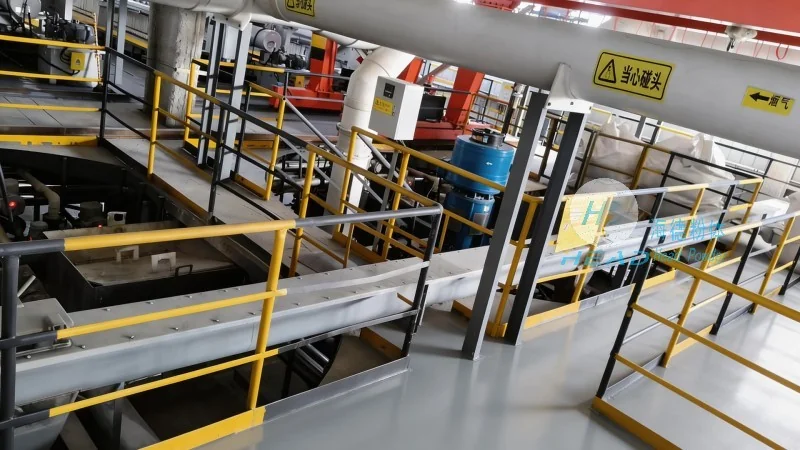
Working Principle in Detail
When examining the working principle of a cassava powder conveying line, it's important to consider the sequence of operations and the role of each component. The process starts with the storage of raw cassava powder in a silo or bulk container. From there, the powder is drawn into the hopper or feeder, which acts as a buffer to maintain a consistent flow. The feeder then regulates the amount of powder entering the conveyor, ensuring that the transport rate matches the processing capacity of the downstream equipment. The conveyor system then moves the powder to the next stage, such as a milling or processing unit. In pneumatic systems, the powder is mixed with air and transported through a network of ducts, where the air pressure propels the material forward. The air is then separated from the powder at the destination, allowing the powder to be deposited in the desired location. This separation process is critical to ensure that the powder is delivered without contamination from the air and that the air can be recycled or vented appropriately.
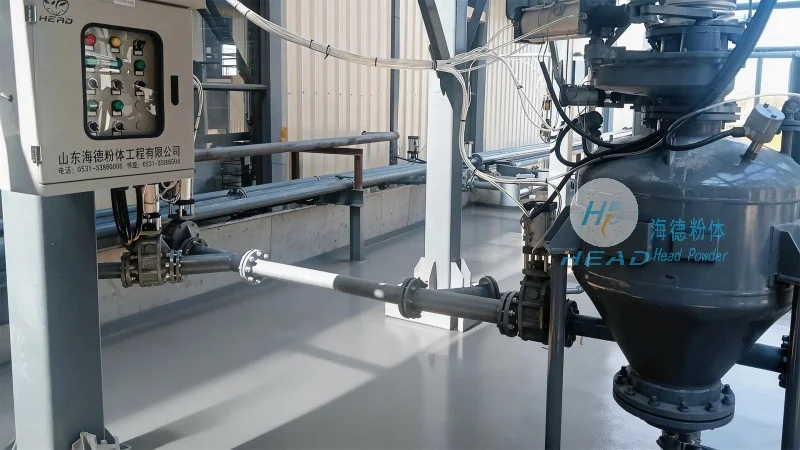
Features and Advantages of Cassava Powder Conveying Lines
Several key features distinguish cassava powder conveying lines from other types of material handling systems. One of the primary advantages is their ability to handle fine, dry powders like cassava powder without causing segregation or degradation. The design of the conveying system, including the use of smooth surfaces and gentle slopes, minimizes the risk of material breakdown or clumping. This is particularly important for cassava powder, which can be sensitive to moisture and temperature changes. Another notable feature is the system's efficiency in terms of energy consumption and operational costs. Modern conveying lines are designed to be energy-efficient, with components that minimize friction and maximize the use of available power. This not only reduces operational expenses but also contributes to a more sustainable processing operation. Additionally, the flexibility of these systems allows for easy integration with other processing equipment, enabling seamless workflow in cassava processing plants. The ability to adjust the conveyor speed or flow rate in real-time ensures that the system can adapt to varying production demands, enhancing overall productivity.
Application-Specific Considerations
The design and functionality of cassava powder conveying lines are tailored to meet the specific needs of different applications within the cassava processing industry. For example, in starch extraction plants, the conveying line may need to transport cassava powder from the milling stage to the washing and drying units. In such cases, the system must be capable of handling wet or partially processed materials, which may require specialized components like wet screw conveyors or air-lift systems. Conversely, in food processing facilities that use cassava powder as an ingredient, the conveying line must maintain strict hygiene standards, with components that are easy to clean and sanitize. This includes the use of stainless steel materials and sealed systems to prevent contamination. The choice of conveying method also depends on the distance between processing stages and the layout of the facility. For short distances, mechanical conveyors may be sufficient, while for longer distances, pneumatic systems offer greater flexibility and reduced installation costs. Ultimately, the selection of the appropriate conveying line depends on a combination of factors, including material properties, operational requirements, and budget constraints.
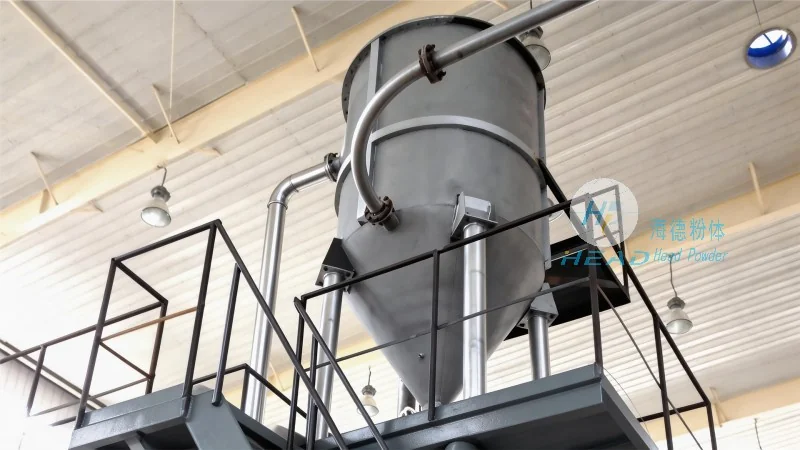
About Shandong HeadPowder Engineering Co., Ltd.
Shandong HeadPowder Engineering Co., Ltd., headquartered in Shandong, China, is a reputable manufacturer specializing in the development and production of advanced material handling solutions. With a strong commitment to quality and innovation, the company has established itself as a trusted partner for industries that require efficient and reliable conveying systems. Based in Shandong, the company leverages its local expertise and resources to deliver tailored solutions that meet the unique demands of its clients. Whether for starch processing, food production, or other applications involving cassava powder, HeadPowder provides systems that enhance operational efficiency and ensure product quality.




