Understanding the working principle and features of a soybean meal powder conveying line is crucial for optimizing material handling in industrial settings. This article provides a detailed overview of the system, focusing on its operational mechanics and key characteristics, while highlighting the expertise of Shandong HeadPowder Engineering Co., Ltd. as a leading provider in the field.
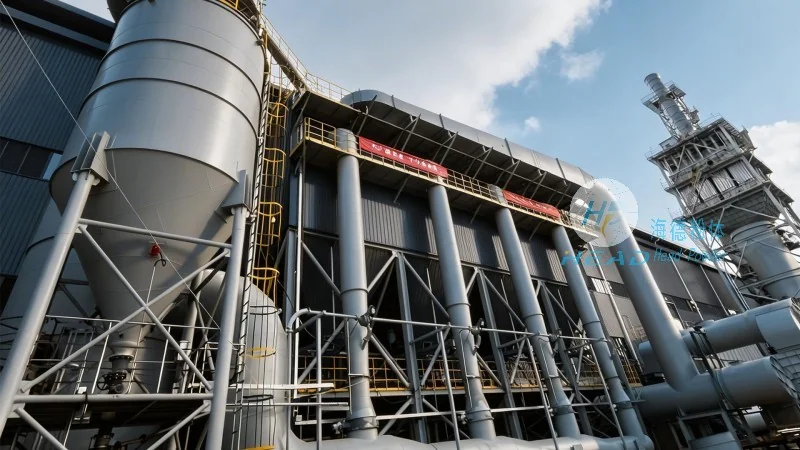
Introduction to Soybean Meal Powder Conveying Lines
Soybean meal powder conveying lines are specialized systems designed to transport soybean meal, a high-protein feed ingredient, from storage silos or processing units to various destinations such as feed mills, storage tanks, or packaging facilities. These systems are engineered to handle the unique properties of soybean meal, including its fine particle size, hygroscopic nature, and potential for dust generation, ensuring efficient and safe material movement.
The Working Principle of Soybean Meal Powder Conveying Lines
The core working principle of a soybean meal powder conveying line involves a series of interconnected components that work in tandem to move the material. The process typically begins with the material being fed from a storage silo or hopper into a feeding device, such as a rotary valve or a screw feeder. This initial step ensures a controlled and consistent flow of soybean meal into the conveying system.
From the feeding device, the material is then transferred to the conveying mechanism, which can be either pneumatic (air-assisted) or mechanical (e.g., screw conveyors, belt conveyors). Pneumatic conveying systems utilize compressed air to create a pressure differential that propels the powder through pipes, while mechanical systems rely on rotating components to push the material forward. The choice of conveying method depends on factors like material characteristics, distance, and system efficiency requirements.
During the conveying process, the system may include additional components such as dust collectors, filters, and pressure regulators to maintain air quality and ensure smooth operation. These auxiliary devices help manage the hygroscopic and dusty nature of soybean meal, preventing clogging and maintaining system performance.
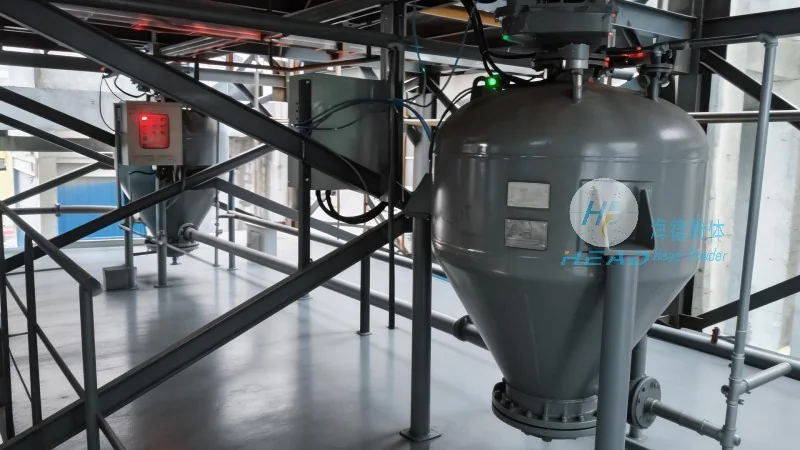
The conveying line concludes with a discharge mechanism, such as a rotary valve or a gate valve, which controls the release of the material into the next stage of processing or storage. This final step ensures that the material is delivered accurately and without spillage, completing the material handling cycle.
Key Features of Soybean Meal Powder Conveying Lines
Several key features distinguish effective soybean meal powder conveying lines, making them suitable for demanding industrial applications. These features are designed to enhance efficiency, safety, and durability while addressing the specific challenges of handling soybean meal.
Firstly, the system is equipped with advanced material feeding and control mechanisms. These components ensure that the flow rate of soybean meal is precisely regulated, preventing overloading or underloading of the conveying equipment. This precision is critical for maintaining consistent material movement and avoiding system downtime.
Secondly, the conveying line incorporates robust dust control measures. Soybean meal is a fine powder that can generate significant dust, which poses health and safety risks. The system includes dust collectors and filtration systems that capture and remove airborne particles, maintaining a clean and safe working environment. This feature not only protects personnel but also prevents material loss and contamination.
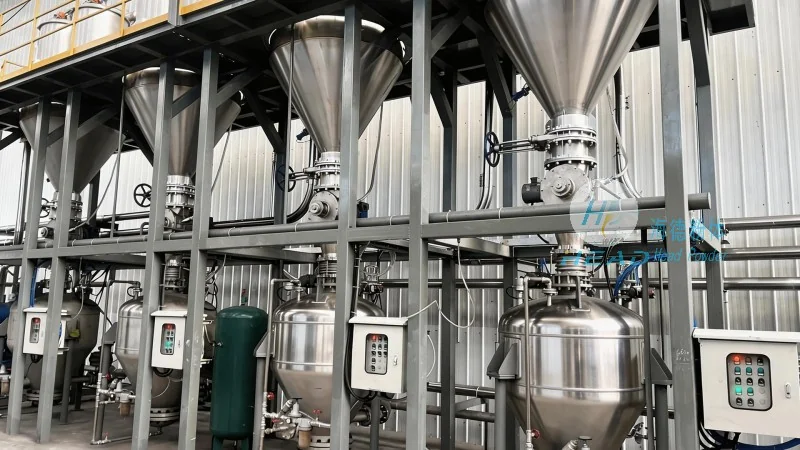
Thirdly, the design of the conveying line emphasizes energy efficiency and operational reliability. High-quality components, such as corrosion-resistant materials and durable bearings, are used to minimize maintenance requirements and extend the system's lifespan. Additionally, the system is equipped with monitoring and control systems that allow operators to track performance and detect potential issues in real-time, ensuring continuous and reliable operation.
Fourthly, the conveying line is designed for easy integration with existing industrial infrastructure. This flexibility allows for seamless incorporation into existing feed processing plants or new construction projects, reducing installation time and costs. The modular design of the system enables customization to meet specific client requirements, such as varying conveying distances or material flow rates.
Conclusion and Company Overview
In summary, soybean meal powder conveying lines are sophisticated systems that combine advanced engineering with practical design to efficiently handle soybean meal. Their working principle, which involves controlled feeding, pneumatic or mechanical conveying, and precise discharge, ensures reliable material movement. The key features, including precise control, robust dust management, energy efficiency, and modular design, make these systems ideal for industrial applications.
Shandong HeadPowder Engineering Co., Ltd. specializes in the design, manufacturing, and installation of such conveying systems, leveraging years of experience in the feed and powder handling industry. With a commitment to quality and customer satisfaction, the company provides tailored solutions that meet the unique needs of its clients, ensuring optimal performance and longevity of the conveying lines.




