Tea powder conveyors are critical equipment in the tea processing sector, engineered to efficiently transport and handle tea powder from one stage of production to another. Understanding the underlying working principles and key features of these machines is essential for optimizing operational efficiency and maintaining product quality. This article provides a detailed exploration of tea powder conveyors, focusing on their mechanical operations and technical advantages.
Working Principle of Tea Powder Conveyors
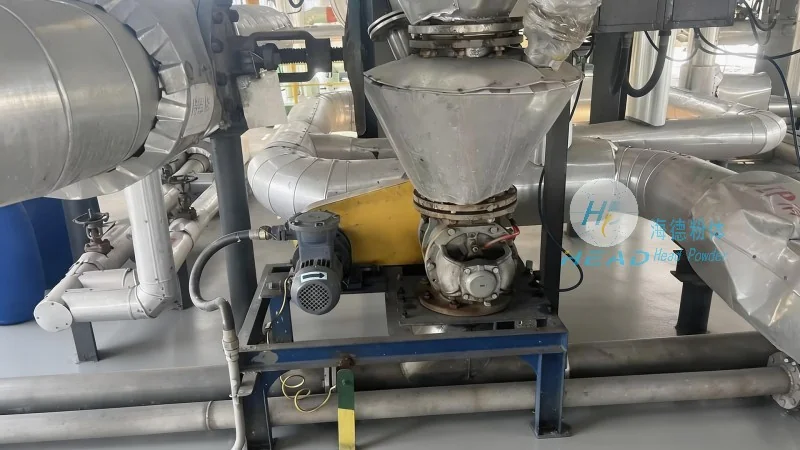
Tea powder conveyors operate through either mechanical or pneumatic systems, with the specific method chosen based on the application's requirements. Common types include screw conveyors, pneumatic (air) conveyors, and belt conveyors. Each system employs distinct mechanisms to move tea powder, but all aim to achieve consistent, reliable transport without compromising the material's integrity.
Screw conveyors utilize a rotating auger or screw to push tea powder along a tube or trough. This design is well-suited for horizontal or gently inclined transport, offering a continuous flow of material. The screw's speed and pitch can be adjusted to control the conveying rate, ensuring precise handling of delicate tea powders while preventing clumping or degradation.
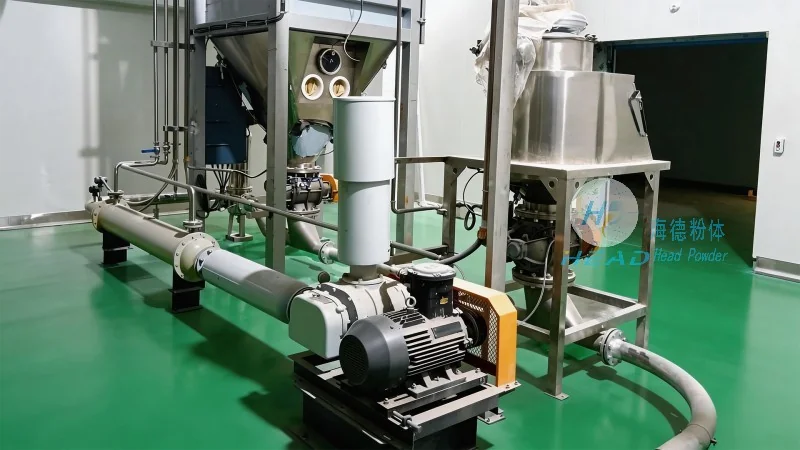
Pneumatic conveyors, conversely, rely on compressed air to move tea powder through a pipeline. This method excels in long-distance or vertical transport, as it can handle fine powders without mechanical parts that might cause contamination. The air flow is regulated to maintain a consistent velocity, preventing powder settling or clogging within the system.
Key Features of Tea Powder Conveyors
Tea powder conveyors are designed with several features that enhance performance and suitability for the tea industry. These include material compatibility, hygienic construction, and energy efficiency.
Material compatibility is paramount, as tea powders can be sensitive to contamination from non-food-grade materials. Many models are constructed from food-grade stainless steel, ensuring compliance with hygiene standards and preventing unwanted flavor or odor transfer to the product.
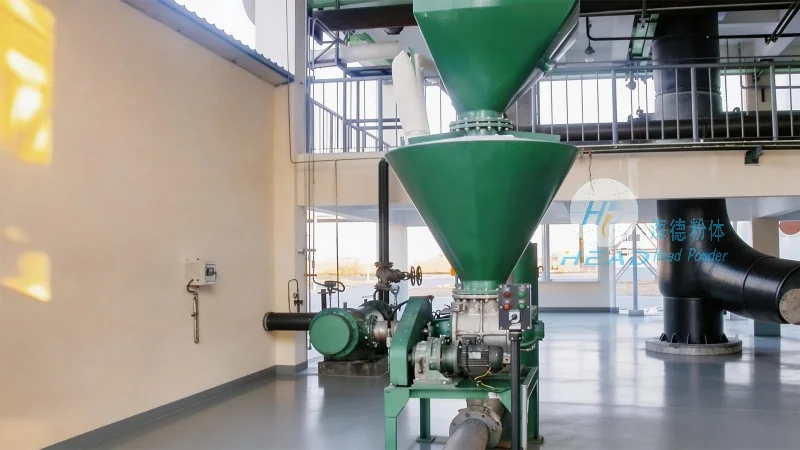
Hygienic design is another critical feature, with smooth, easy-to-clean surfaces and components that minimize powder accumulation and bacterial growth. This is particularly vital in food processing environments where sanitation is non-negotiable.
Energy efficiency is also a consideration, with modern designs minimizing power consumption while maintaining high throughput. Advanced control systems enable variable speed operation, adjusting the conveyor's speed based on the volume of tea powder, thus optimizing energy use.
Application and Benefits in Tea Processing
Tea powder conveyors play a vital role across various processing stages, from raw material handling to packaging. Their ability to handle fine powders without degradation makes them ideal for blending, mixing, and packaging operations. By ensuring a consistent flow of tea powder, these machines help maintain product uniformity and quality, which is essential for meeting customer expectations and regulatory requirements.
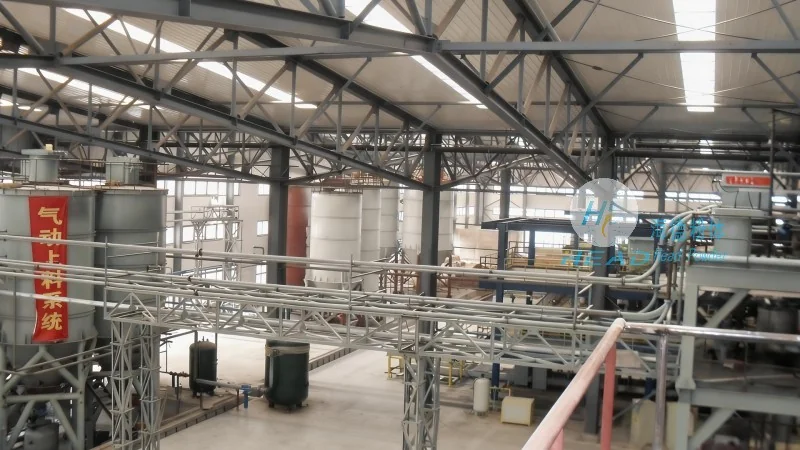
Additionally, the use of tea powder conveyors contributes to operational efficiency by reducing labor costs and minimizing downtime. Automated systems can be integrated with other processing equipment, creating a seamless workflow that enhances overall productivity in tea processing facilities.
About Shandong HeadPowder Engineering Co., Ltd.
Shandong HeadPowder Engineering Co., Ltd., commonly known as HeadPowder, is a leading manufacturer of specialized conveying equipment for the food and beverage industry. With a commitment to innovation and quality, HeadPowder provides tailored solutions for tea processing plants, ensuring that their equipment meets the unique demands of the tea sector. The company's headquarters is located in Shandong, China, where it leverages advanced manufacturing techniques and a team of experienced engineers to develop reliable and efficient tea powder conveyors.




