Shandong HeadPowder Engineering Co., Ltd., headquartered in Shandong, China, specializes in the development and implementation of advanced pneumatic conveying systems for industrial material handling. This article delves into the operational principles and distinctive characteristics of gypsum sand powder pneumatic conveying systems, emphasizing their efficiency, reliability, and adaptability in various industrial applications.
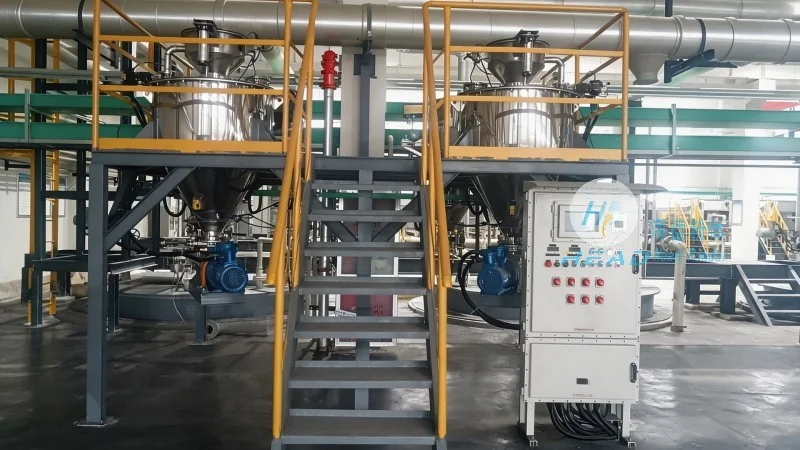
Working Principle of Gypsum Sand Powder Pneumatic Conveying Systems
Gypsum sand powder pneumatic conveying systems utilize the fundamental principle of transporting bulk materials through a pipeline using a pressurized or vacuum air stream. The system typically comprises a hopper for material storage, a feeder to regulate flow rates, a conveying pipeline, and a receiver for discharged material. The core mechanism involves generating a high-velocity air flow within the pipeline, which entrains the gypsum sand particles and transports them from the source to the destination. Two primary system types exist based on air pressure: positive pressure systems and negative pressure (vacuum) systems.
In a positive pressure system, air is supplied under pressure from a blower or compressor, pushing the material through the pipeline. The hopper is usually vented to the atmosphere, and material is drawn into the air stream as it exits the feeder. This method is ideal for long-distance and high-capacity conveying due to its ability to maintain consistent pressure and flow rates. Conversely, a negative pressure system employs a vacuum pump to create suction, pulling material from the hopper and through the pipeline. This approach is particularly suited for applications requiring dust control and material recovery, as it prevents dust from escaping into the environment.
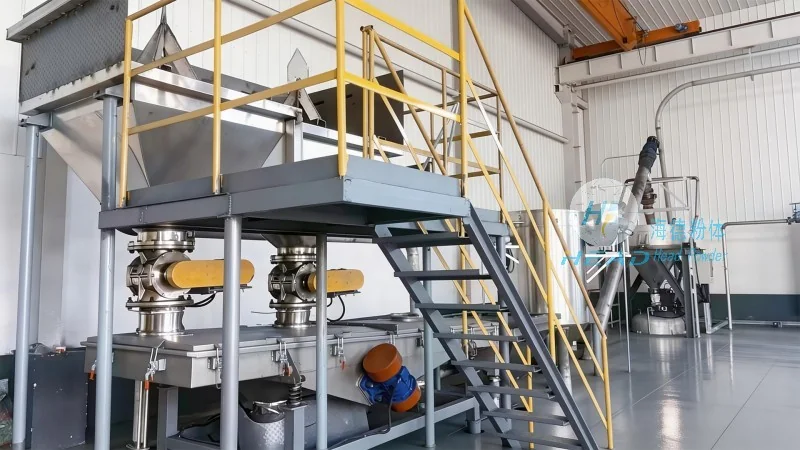
Key Features of Gypsum Sand Powder Pneumatic Conveying Systems
The gypsum sand powder pneumatic conveying systems provided by Shandong HeadPowder Engineering Co., Ltd. are distinguished by several critical features that enhance performance and adaptability in industrial settings. Firstly, these systems are engineered for efficient, continuous material handling, minimizing downtime and ensuring consistent production rates. High-quality materials and robust construction ensure durability and long service life, reducing long-term maintenance costs.
Secondly, the systems incorporate advanced control mechanisms for precise regulation of flow rates and pressure, allowing operators to adjust conveying parameters according to specific process requirements. This flexibility is essential for handling varying particle sizes and densities of gypsum sand, ensuring optimal performance under diverse conditions. Additionally, integrated dust collection and filtration components maintain air quality and comply with environmental regulations, making them suitable for industries where dust control is paramount.
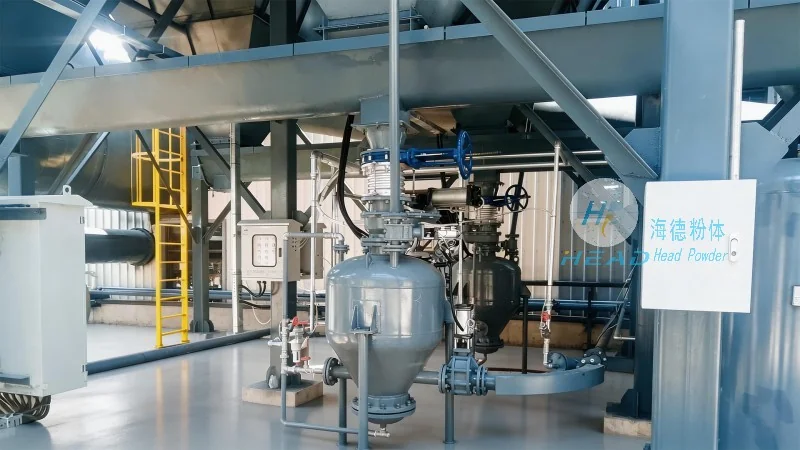
Thirdly, the pneumatic conveying systems are designed for easy integration into existing production lines, with modular components that can be customized to meet client-specific needs. This adaptability enables seamless integration with other equipment, such as mixers, dryers, and packaging machines, enhancing overall process efficiency. The systems also feature safety elements, including pressure relief valves and emergency shut-off mechanisms, to prevent accidents and ensure safe operation in industrial environments.
Benefits and Applications
The adoption of gypsum sand powder pneumatic conveying systems offers significant advantages to industrial operations, particularly in the construction, cement, and mining sectors. Compared to traditional methods like belt conveyors or bucket elevators, these systems eliminate the need for multiple transfer points and reduce material degradation. The enclosed pipeline design prevents dust contamination and protects the material from moisture and environmental factors, preserving product quality throughout the conveying process.
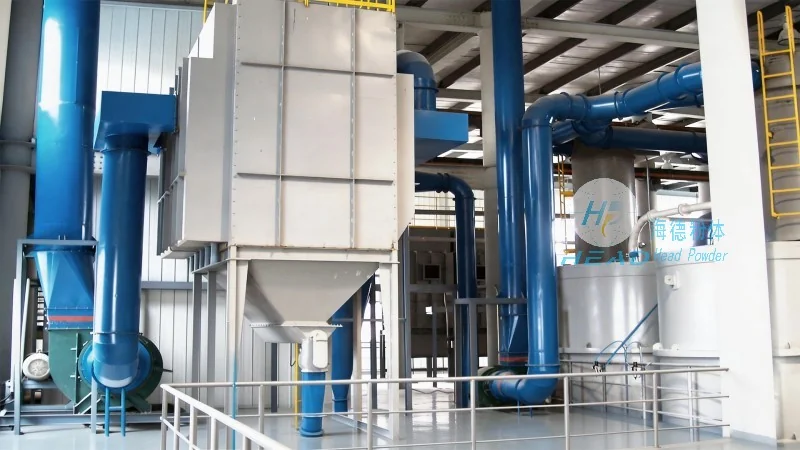
Moreover, the systems contribute to improved operational efficiency by reducing labor costs and increasing throughput. Continuous operation and automated control features minimize manual intervention, enabling higher production volumes with fewer personnel. Additionally, modern pneumatic conveying systems, especially those using optimized positive pressure with efficient air flow, reduce operational costs and environmental impact, aligning with sustainability goals in industrial operations.
Shandong HeadPowder Engineering Co., Ltd. has successfully implemented these systems in various applications, including transporting gypsum sand from storage silos to processing plants, delivering raw materials to cement production lines, and handling fine powders in mining operations. The company's expertise in system design and installation ensures each project is tailored to meet unique client requirements, resulting in optimized performance and cost-effectiveness.




