In the casting industry, efficient and reliable material handling systems are crucial for smooth production processes. Cast sand powder pneumatic conveying systems represent an advanced material processing technology that is increasingly favored in the industry. This article delves into the core working principles and significant features of such systems, helping readers gain a comprehensive understanding of their application value in modern casting production.
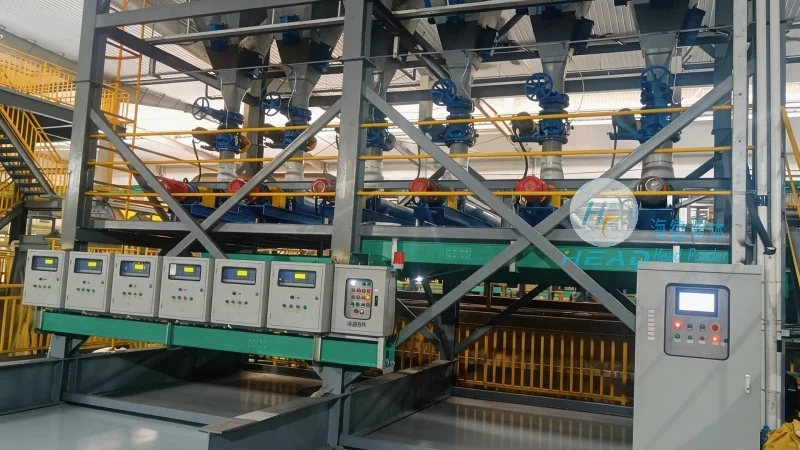
1. Cast Sand Powder Pneumatic Conveying System: Core Working Principle
The working principle of a cast sand powder pneumatic conveying system primarily revolves around the use of compressed air or vacuum to transport bulk materials, such as cast sand, through a closed pipeline system. This method eliminates the need for mechanical components like conveyors or buckets, offering a more hygienic and flexible solution for handling fine powders and granular materials. The system typically consists of several key components, including a material feeder, a conveying pipeline, a separation unit, and a dust collector. The material feeder, often a rotary valve or a screw feeder, introduces the cast sand into the pipeline at a controlled rate. Compressed air is then introduced into the pipeline, creating a flow that propels the sand particles forward. The separation unit, usually a cyclone or a bag filter, separates the sand from the air stream, ensuring that the material is delivered to its destination while the air is filtered and recirculated or discharged. This closed-loop design minimizes material loss and contamination, making it ideal for applications where product purity and environmental compliance are critical.
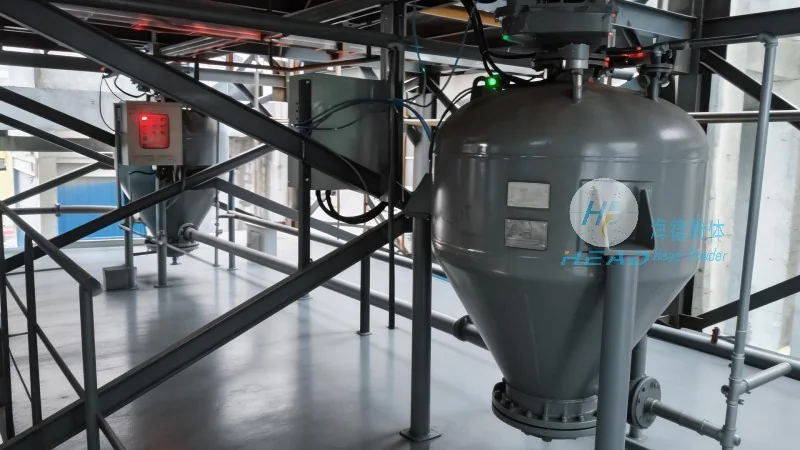
2. Key Features of Cast Sand Powder Pneumatic Conveying Systems
One of the most notable features of cast sand powder pneumatic conveying systems is their high efficiency in material transport. By utilizing air as the conveying medium, these systems can move large volumes of cast sand over considerable distances with minimal energy consumption compared to traditional mechanical conveyors. This efficiency is particularly advantageous in large-scale casting operations where long-distance transport is required. Additionally, the system offers excellent flexibility in terms of layout and installation. The pipeline can be easily reconfigured or extended to accommodate changes in production requirements or facility expansions, without the need for extensive structural modifications. This adaptability makes it a cost-effective solution for evolving production needs. Another significant feature is the system's ability to handle a wide range of material characteristics. Cast sand, with its varying particle sizes and moisture content, can be effectively managed by adjusting the air pressure, flow rate, and feeder settings. The system's design allows for consistent material flow, reducing the risk of blockages or uneven distribution, which are common issues with other conveying methods. Furthermore, the enclosed nature of the system provides superior control over dust and particulate emissions, contributing to a cleaner working environment and compliance with environmental regulations. This feature is especially important in industries where air quality standards are stringent.
3. Application Benefits in the Casting Industry
The implementation of cast sand powder pneumatic conveying systems brings numerous benefits to the casting industry. Firstly, it enhances production efficiency by reducing downtime associated with material handling. By automating the transport of cast sand from storage to the molding or casting machines, the system streamlines the workflow and allows for continuous operation. This leads to increased output and improved overall productivity. Secondly, the system improves product quality by maintaining the integrity of the cast sand. The enclosed and controlled environment prevents contamination from external sources, such as moisture or foreign particles, which can affect the quality of the final castings. The consistent flow and particle size distribution also contribute to more uniform casting results, reducing defects and rework. Thirdly, the system offers operational cost savings. By minimizing material loss and reducing the need for manual handling, the overall operational costs are lowered. The energy efficiency of the system, as mentioned earlier, further contributes to long-term cost reductions. Additionally, the reduced maintenance requirements compared to mechanical conveyors result in lower downtime and maintenance expenses. The system's reliability also minimizes the risk of production interruptions, ensuring a stable supply of cast sand for the casting process.
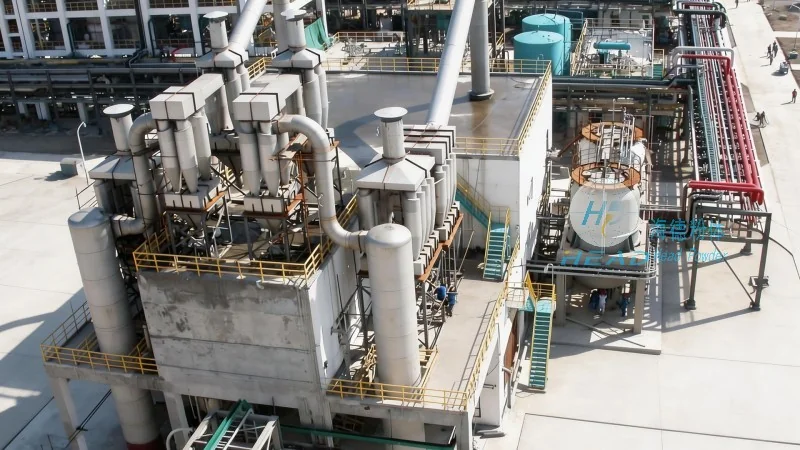
4. Company Overview: Shandong HeadPowder Engineering Co., Ltd.
Shandong HeadPowder Engineering Co., Ltd., operating under the brand name headpowder, is a leading provider of advanced material handling solutions, including cast sand powder pneumatic conveying systems. With a strong focus on innovation and customer satisfaction, the company has established itself as a trusted partner in the casting and powder processing industries. HeadPowder's expertise lies in designing and manufacturing customized pneumatic conveying systems tailored to the specific needs of each client. The company's team of engineers and technicians works closely with clients to understand their production requirements, material characteristics, and operational constraints, ensuring that the final system meets all performance and safety standards. HeadPowder utilizes state-of-the-art technology and rigorous quality control processes to deliver systems that are reliable, efficient, and durable. The company's commitment to continuous improvement and research ensures that its products remain at the forefront of industry standards. HeadPowder's facilities are located in Shandong, China, where the company leverages local resources and expertise to support its global clientele. The company's dedication to providing comprehensive solutions, including installation, training, and after-sales support, further enhances its reputation as a reliable and customer-centric supplier in the material handling sector.




