Quartz sand, a widely used industrial material, often requires efficient and reliable transportation methods for various applications. Pneumatic conveying technology offers a solution that addresses the challenges of handling such materials, particularly in terms of dust control, material integrity, and operational efficiency. This article explores the working principle and key characteristics of quartz sand pneumatic conveying systems, providing insights into how they function and the advantages they offer.
Working Principle of Quartz Sand Pneumatic Conveying
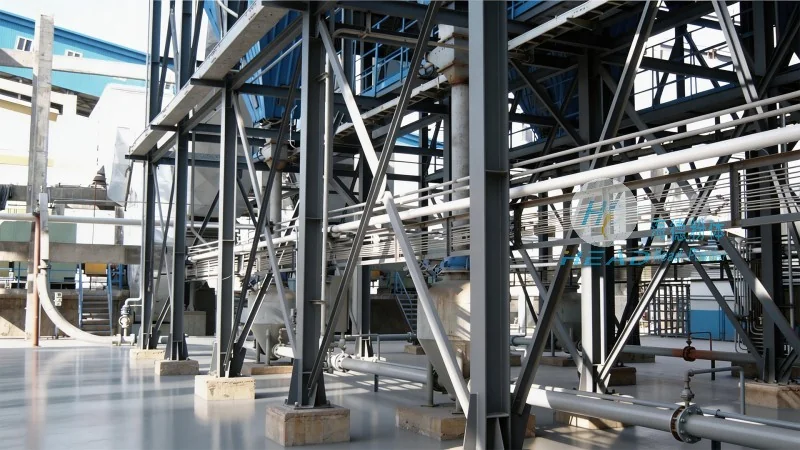
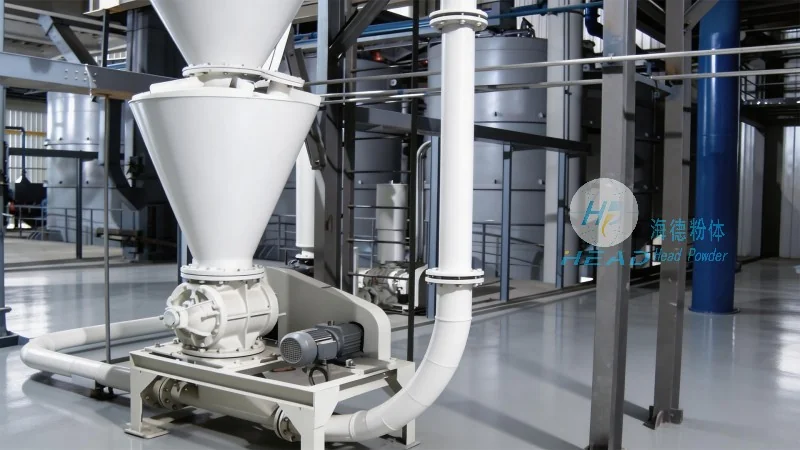
The working principle of quartz sand pneumatic conveying systems revolves around the fundamental concept of using air to move solid particles. In pressure pneumatic conveying, a positive pressure is generated at the inlet of the system, typically using a blower or compressor. This pressure forces the quartz sand particles through the conveying line. The air velocity within the pipeline is a critical parameter, as it must be sufficient to overcome the gravitational forces acting on the particles and to maintain their suspension. For quartz sand, which has a relatively high density and can be abrasive, the air velocity is often optimized to balance material transport efficiency with wear on the system components. The design of the pipeline, including the diameter and length, also plays a crucial role in determining the system's performance. Larger diameter pipes may be used for higher material throughput, while shorter pipelines can reduce energy consumption. In vacuum pneumatic conveying, a vacuum pump creates a negative pressure at the discharge end, drawing the sand particles into the pipeline. This method is often preferred for applications where the material needs to be transported over longer distances or where the source is at a higher elevation than the destination. The vacuum system typically includes a hopper or feeder that supplies the quartz sand, and the air is drawn through the pipeline to the discharge point, where a cyclone separator or filter captures the material and returns the air to the system.
Key Characteristics of Quartz Sand Pneumatic Conveying
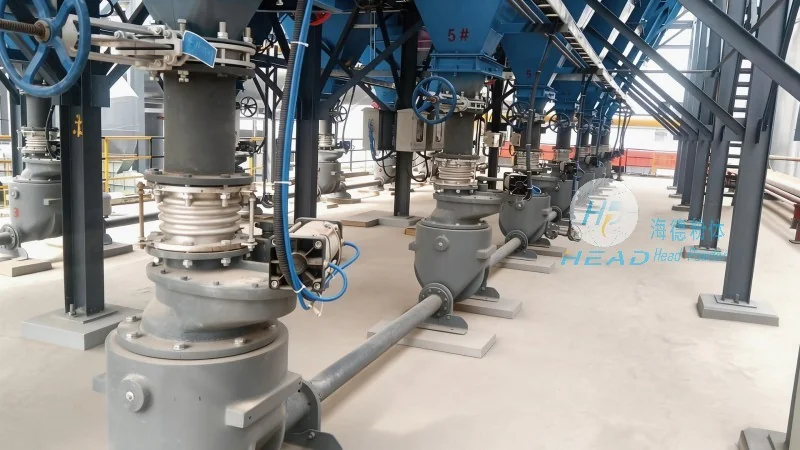
Key characteristics of quartz sand pneumatic conveying systems include their ability to handle abrasive materials, which is a significant challenge due to the hardness and sharp edges of quartz particles. To address this, systems are often equipped with wear-resistant materials such as stainless steel, polyurethane, or specialized coatings on the pipeline and components. These materials help to extend the lifespan of the system and reduce maintenance costs. Dust control is another critical characteristic, as quartz sand is a fine, particulate material that can easily become airborne. Pneumatic conveying systems incorporate dust collection devices, such as cyclone separators, bag filters, or electrostatic precipitators, to capture the sand particles and prevent their release into the environment. This not only complies with environmental regulations but also improves workplace safety by reducing respiratory hazards. The system's efficiency in terms of energy consumption is also a key characteristic. Proper design, including the selection of air velocity and pipeline diameter, minimizes energy waste while ensuring optimal material transport. For example, higher air velocities may increase material throughput but also increase energy consumption and wear on components. Therefore, an optimal balance must be achieved to maximize efficiency. Additionally, the flexibility of pneumatic conveying systems allows for integration with existing production processes, enabling seamless material transfer without the need for extensive modifications to the facility. This adaptability makes the system suitable for a wide range of applications, from small-scale operations to large industrial plants.
Advantages and Applications
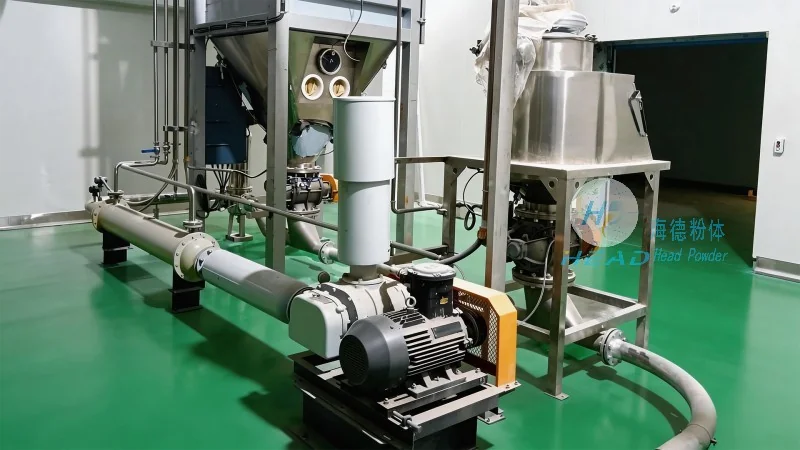
Advantages of quartz sand pneumatic conveying systems extend beyond basic material transport, offering benefits that enhance overall operational performance. One of the most notable advantages is the reduction in dust exposure, which is essential for maintaining a safe working environment. Quartz sand, when handled in open systems, can generate significant dust, which poses health risks to workers and can affect the quality of the final product. Pneumatic conveying systems, by operating in a closed loop, effectively contain the material, minimizing dust emissions and improving air quality. Another advantage is the system's ability to handle a wide range of particle sizes and moisture content. Quartz sand can vary in particle size from fine powders to larger granules, and the pneumatic system can accommodate these variations without requiring additional processing steps. This flexibility allows for consistent material quality, which is critical in applications such as glass manufacturing, where the purity of the quartz sand directly impacts the quality of the glass produced. The system's continuous operation is also a significant advantage, as it allows for a steady supply of material to the production line, reducing downtime and improving productivity. In the construction industry, for example, quartz sand is used as an aggregate in concrete and asphalt, and pneumatic conveying ensures a reliable supply of material for mixing operations. Furthermore, the integration of pneumatic conveying systems with automated processes enables better control over material flow, allowing for real-time monitoring and adjustment of the system parameters. This level of control enhances operational efficiency and reduces the risk of material loss or contamination.




