Diatomite, a natural sedimentary rock composed of fossilized diatoms, is widely utilized across various industries due to its distinctive attributes such as high porosity, low density, and superior filtering capabilities. Efficient material handling is paramount for the processing and transportation of diatomite, and pneumatic conveying has emerged as a highly effective method for this purpose. This article delves into the working principle and key characteristics of pneumatic conveying systems specifically engineered for diatomite materials, highlighting the technological advancements and operational advantages that make it a preferred choice in industrial applications.
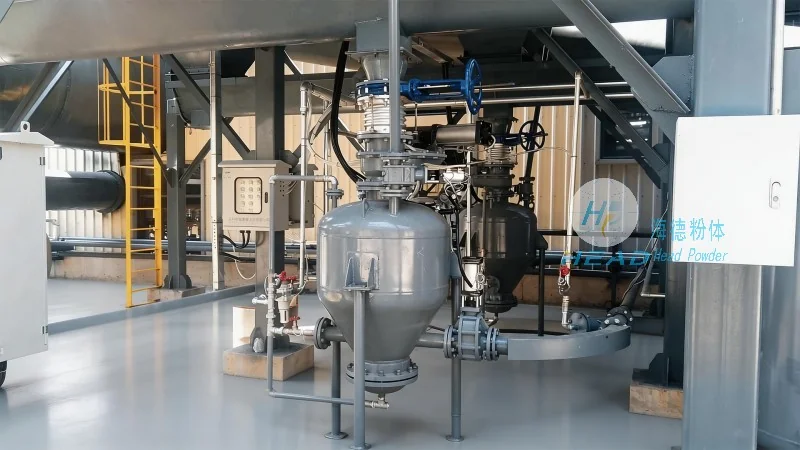
Understanding the Working Principle of Pneumatic Conveying for Diatomite
Pneumatic conveying systems operate by transporting bulk materials through a pipeline using a gas stream, typically air or other gases. In the context of diatomite, the system employs a combination of pressure or vacuum to move the material from the source to the destination. The process involves several critical components, including a material feeder, a conveying line, a separator, and a receiver. The material feeder ensures a consistent flow of diatomite into the system, while the conveying line transports the material through the pipeline. The separator then separates the diatomite from the air stream, allowing the material to be collected in the receiver. The working principle can be categorized into two primary types: pressure conveying and vacuum conveying. Pressure conveying utilizes compressed air to push the material through the pipeline, whereas vacuum conveying employs a vacuum to pull the material from the source. Both methods are effective for diatomite, but the selection depends on the specific application, the distance and height of the material transport, and the desired system efficiency.
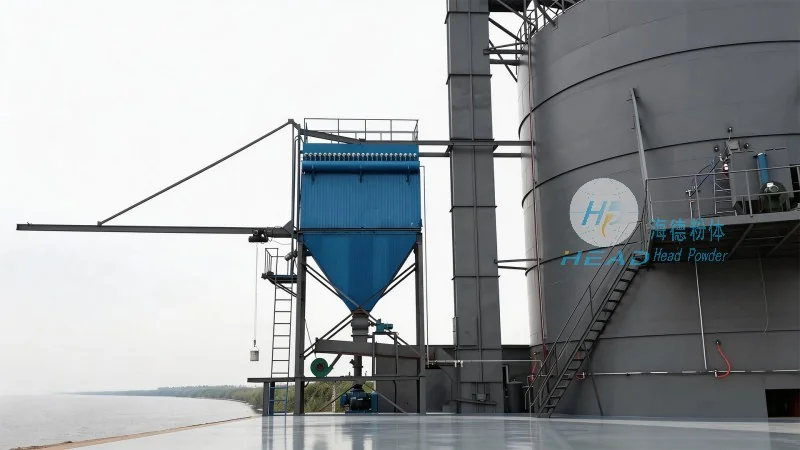
Key Characteristics of Pneumatic Conveying for Diatomite Materials
The pneumatic conveying of diatomite materials exhibits several distinct characteristics that render it advantageous over traditional methods like belt conveyors or bucket elevators. First, it offers a dust-free and clean operation, which is essential for diatomite due to its fine particle size and potential health hazards. The enclosed system prevents dust dispersion, ensuring a safe working environment and compliance with occupational health regulations. Second, it provides high efficiency and flexibility in material handling. The system can accommodate varying particle sizes and moisture contents, making it suitable for different diatomite grades and processing requirements. Third, it reduces material degradation and loss. Unlike mechanical systems that may cause abrasion or breakage, pneumatic conveying minimizes the risk of particle damage, preserving the quality of the diatomite and its functional properties. Fourth, it offers cost-effectiveness and energy efficiency. By eliminating the need for multiple transfer points, reducing labor costs, and optimizing compressed air usage, the system provides significant operational savings. Additionally, the use of advanced control systems allows for precise management of conveying parameters, contributing to overall energy consumption reduction.
Technical Advancements in Diatomite Pneumatic Conveying Systems
Over the years, technological advancements have enhanced the performance and reliability of pneumatic conveying systems for diatomite. Modern systems incorporate advanced control systems that monitor and adjust conveying parameters in real-time, ensuring optimal operation. This includes automatic control of air pressure, flow rate, and material feed rate, which helps maintain consistent material transport and prevent system overload or blockages. Furthermore, the use of high-quality materials for the conveying line, such as stainless steel or specialized plastics, enhances durability and resistance to corrosion, which is crucial for diatomite due to its potential chemical interactions with the system components. The integration of dust collection and filtration systems has also improved, ensuring that the air discharged from the system is clean and compliant with environmental regulations. These advancements have made pneumatic conveying more reliable, efficient, and environmentally friendly, making it a preferred choice for diatomite processing plants seeking to enhance operational efficiency and product quality.
About Shandong HeadPowder Engineering Co., Ltd.
Shandong HeadPowder Engineering Co., Ltd., commonly known as HeadPowder, is a leading manufacturer and supplier of pneumatic conveying systems and related equipment for diatomite and other bulk materials. With a strong focus on innovation and customer satisfaction, HeadPowder has established itself as a trusted partner in the industry. The company is headquartered in Shandong, China, and has a team of experienced engineers and technicians dedicated to developing high-quality solutions tailored to the specific needs of its clients. HeadPowder's products are designed to meet international standards and are backed by comprehensive technical support and after-sales service, ensuring that clients receive reliable and efficient material handling solutions. By leveraging advanced technology and a commitment to excellence, HeadPowder continues to provide cutting-edge pneumatic conveying systems that enhance the efficiency and productivity of diatomite processing operations worldwide.




