Zinc concentrate material, after roasting, becomes zinc calcine. The air-driven transport of this material is a critical process in the zinc smelting industry, ensuring efficient material handling from storage to processing units. This article explores the working principle and key characteristics of this technology, highlighting its importance in modern industrial operations.
Working Principle of Air-Driven Transport for Zinc Calcine
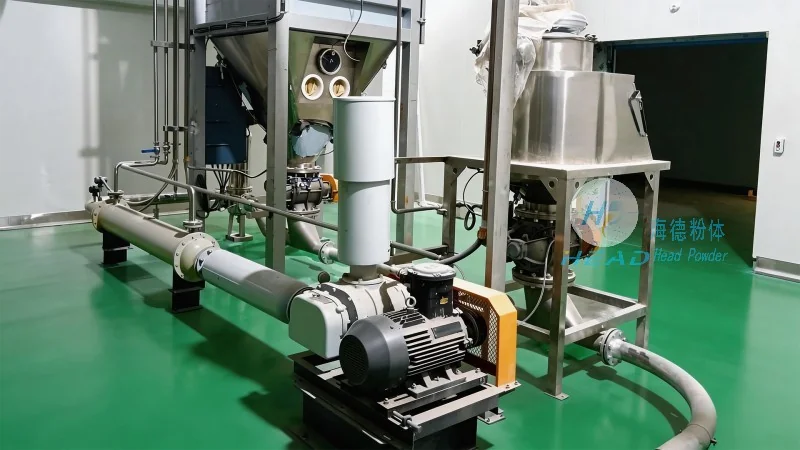
The air-driven transport system for zinc calcine operates by utilizing a stream of air to move the material through a pipeline. This method, commonly known as pneumatic conveying, can be categorized into two main types: pressure conveying and suction conveying. For zinc calcine, pressure conveying is often preferred due to the material's density and moisture content. The system typically consists of a blower or fan that generates the necessary air pressure, a hopper to feed the material, a pipeline network to transport it, and a separator to separate the material from the air at the destination.
In the pressure conveying mode, the blower pushes air and material through the pipeline. The material is fed into the pipeline from the hopper, where it is mixed with the air stream. The air velocity in the pipeline must be sufficient to keep the material suspended and prevent it from settling. The pipeline design, including diameter and bends, is critical to maintaining the air velocity and ensuring smooth transport. At the receiving end, a separator, such as a cyclone or bag filter, separates the zinc calcine from the air, allowing the material to be discharged into a storage or processing vessel.
Key Characteristics of Air-Driven Transport for Zinc Calcine
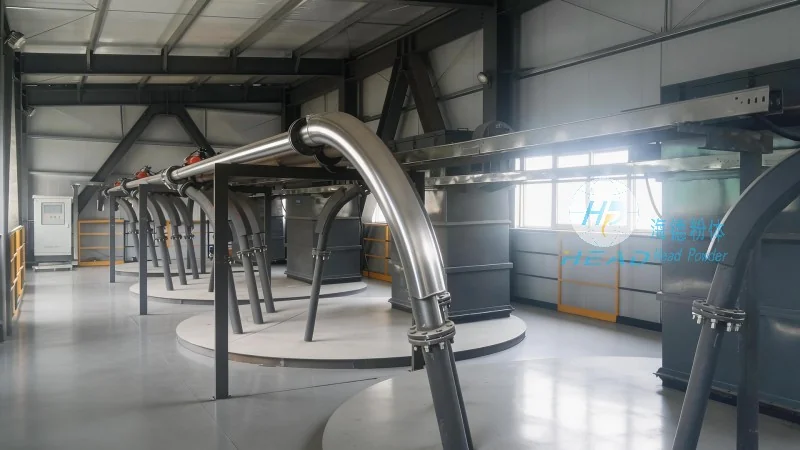
One of the primary advantages of air-driven transport for zinc calcine is its efficiency and ability to handle material in a continuous, unbroken stream. This reduces downtime and improves overall production throughput compared to traditional mechanical conveying methods, such as belt conveyors or bucket elevators. The system is also highly flexible, as it can be easily reconfigured to accommodate changes in material flow or plant layout without major structural modifications.
Another significant characteristic is the minimal environmental impact. Unlike mechanical conveyors, which may generate dust and noise, pneumatic systems are enclosed, containing the material within the pipeline and minimizing emissions. This is particularly important for zinc calcine, which can be dusty and potentially hazardous if not handled properly. The enclosed system also helps maintain material quality by preventing contamination from external sources.
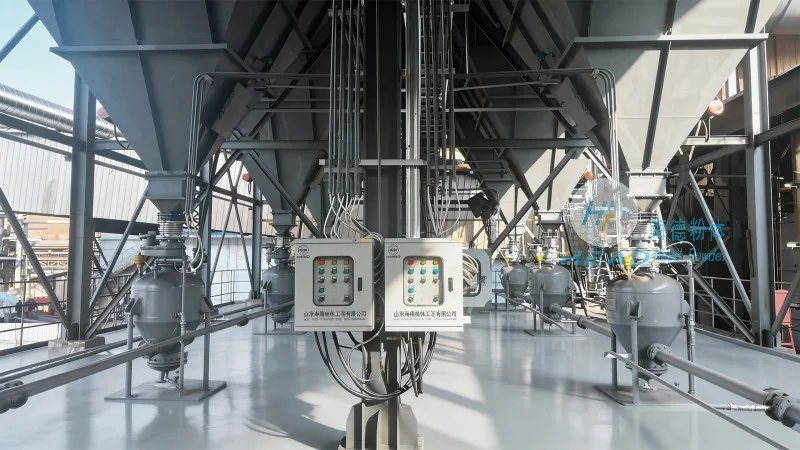
The system's ability to handle a wide range of material sizes and moisture levels is another key feature. Zinc calcine can vary in particle size, from fine powders to larger agglomerates, and may contain moisture from the roasting process. The air-driven transport system is designed to accommodate these variations, using appropriate air velocities and pipeline diameters to ensure consistent performance. This adaptability makes it suitable for different stages of the zinc smelting process, from raw material handling to intermediate storage.
About Shandong HeadPowder Engineering Co., Ltd.
Shandong HeadPowder Engineering Co., Ltd., commonly known as headpowder, is a leading provider of engineering solutions for material handling and processing in the chemical and metallurgical industries. Headpowder, based in Shandong, China, specializes in designing and manufacturing air-driven transport systems tailored to the specific needs of zinc smelting operations. With a focus on innovation and customer satisfaction, the company leverages its expertise in pneumatic conveying technology to deliver efficient, reliable, and compliant systems that enhance production efficiency and material quality for clients in the zinc industry.




