Understanding the working principle and characteristics of pneumatic conveying for powder carbon additive materials is crucial for optimizing material handling processes in industrial applications. This article provides a detailed overview of the mechanisms involved and the key attributes that define effective pneumatic conveying systems for carbon additive powders.
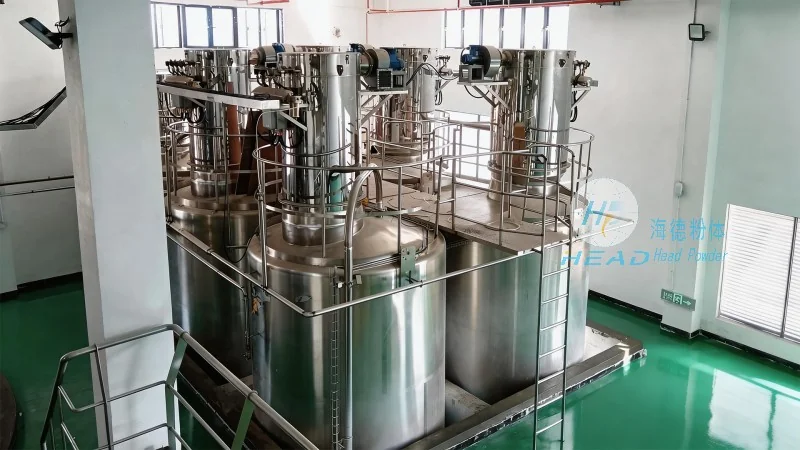
1. Working Principle of Pneumatic Conveying for Powder Carbon Additive Materials
Pneumatic conveying, also known as air conveying, is a method used to transport bulk solid materials, such as powder carbon additives, through a pipeline using a stream of air or gas. The process typically involves several key components and steps that ensure efficient material movement. The primary working principle revolves around creating a pressure differential or using a vacuum to draw the powder into the conveying line. In positive pressure systems, compressed air is introduced at the material inlet, while negative pressure systems use a vacuum to pull the material from the source. For powder carbon additives, the choice of system depends on factors like material properties, distance, and required flow rate.
2. Key Components in Pneumatic Conveying Systems for Carbon Additive Powders
Effective pneumatic conveying of carbon additive powders relies on a well-designed system that includes several critical components. These typically include a material feed hopper or silo, a conveying line (often made of stainless steel or other corrosion-resistant materials to handle the abrasive nature of carbon powders), a blower or compressor to generate the air flow, and a receiver or discharge hopper at the destination. Additionally, components like rotary valves, filters, and dust collectors may be integrated to ensure smooth operation and prevent material degradation or environmental contamination. The selection of these components is essential for maintaining the quality and integrity of the carbon additive powder during transport.
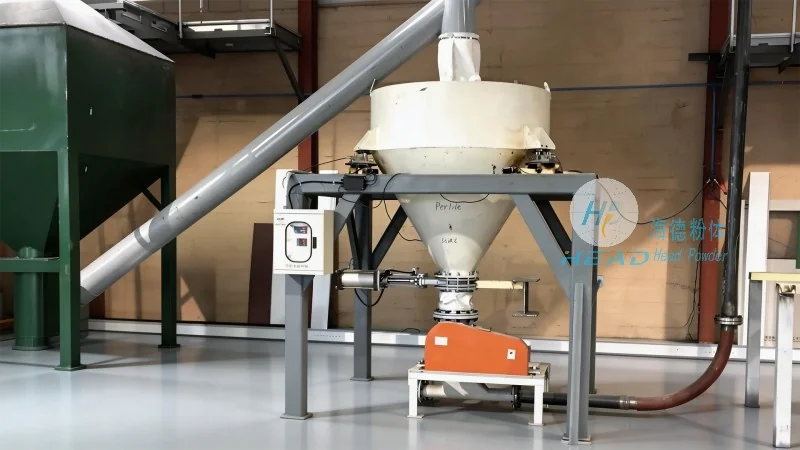
3. Characteristics of Pneumatic Conveying for Powder Carbon Additives
The characteristics of pneumatic conveying systems for powder carbon additives are defined by several factors that impact performance, efficiency, and operational safety. One of the most notable characteristics is the ability to handle fine powders without the need for mechanical components that might cause clogging or wear. This is particularly important for carbon additives, which can be abrasive and prone to agglomeration. Another key characteristic is the flexibility in system design, allowing for both short and long-distance transport, as well as the integration of multiple branches or transfer points. The systems also offer advantages in terms of space efficiency, as they can be installed in compact areas and require minimal floor space compared to traditional bulk handling methods. Furthermore, pneumatic conveying can help maintain the purity of the carbon additive powder by minimizing exposure to external contaminants and reducing the risk of cross-contamination between different materials.
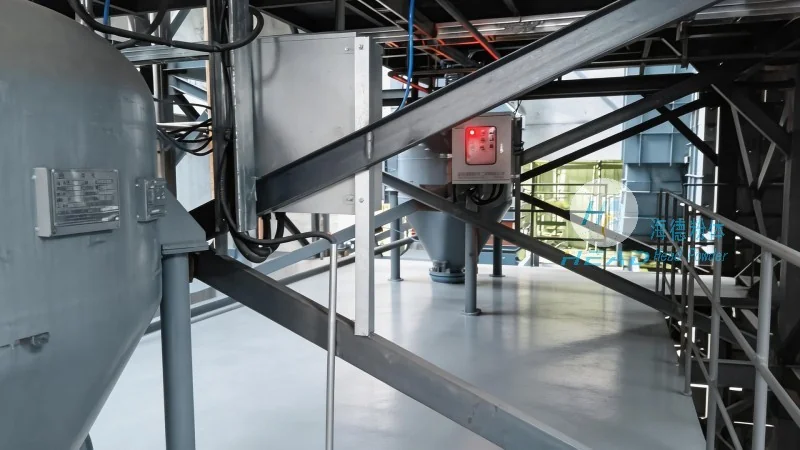
4. Advantages and Considerations for Pneumatic Conveying of Carbon Additive Powders
When evaluating pneumatic conveying for powder carbon additives, several advantages and considerations must be taken into account. The primary advantages include high efficiency in material transport, reduced labor costs due to automated systems, and improved safety by eliminating manual handling of powders. However, there are also considerations such as the need for proper air filtration to prevent dust accumulation and the potential for pressure drop in long conveying lines, which may require additional blower capacity or intermediate booster stations. The cost of the system, including initial investment and ongoing maintenance, is another factor to consider, as it can vary significantly based on the scale of operation and the specific requirements of the carbon additive material.
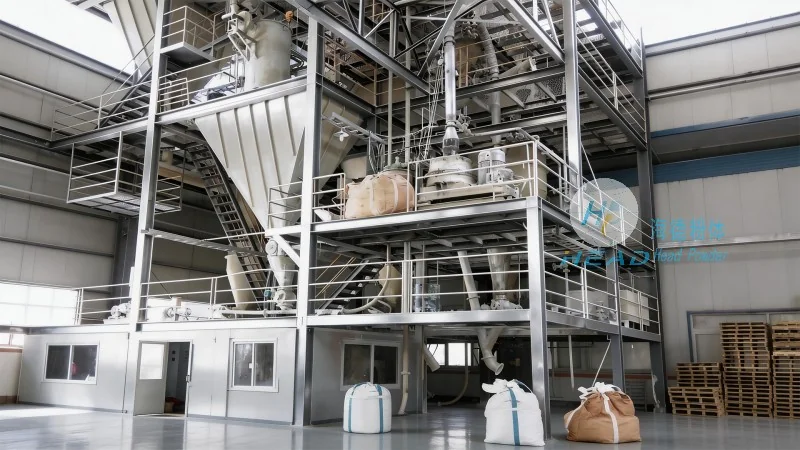
5. Application Examples and Industry Use Cases
Pneumatic conveying systems for powder carbon additives are widely used in various industrial sectors, including steelmaking, foundries, and chemical manufacturing. In steelmaking, for example, carbon additives are used to adjust the carbon content of molten steel, and pneumatic conveying allows for precise and controlled addition of these powders to the furnace. In foundries, carbon additives are used to improve the properties of cast iron, and the ability to transport these powders efficiently ensures consistent quality in the final products. Additionally, in chemical manufacturing, carbon additives may be used as raw materials or additives in the production of various compounds, and pneumatic conveying helps maintain the purity and uniformity of these materials throughout the production process.
6. Company Profile: Shandong HeadPowder Engineering Co., Ltd.
Shandong HeadPowder Engineering Co., Ltd., operating under the brand name headpowder, is a leading provider of engineering solutions for material handling and processing. With a focus on industrial applications involving powder carbon additives, the company specializes in designing and manufacturing pneumatic conveying systems tailored to the unique needs of its clients. Headpowder's expertise lies in understanding the complex properties of carbon powders and developing systems that ensure efficient, safe, and reliable transport. The company's facilities are located in Shandong, China, where it leverages advanced technology and experienced engineering teams to deliver high-quality solutions for its global clientele.




