HeadPowder, a leading provider in material handling solutions, specializes in the design and implementation of pneumatic conveying systems for cement and fly ash. This article explores the fundamental working principles and key characteristics of such systems, highlighting their efficiency and adaptability in industrial applications.
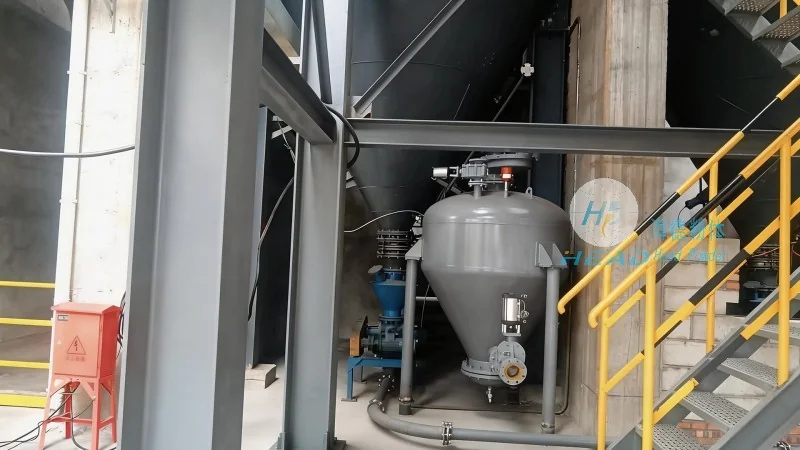
Understanding Pneumatic Conveying Systems
Pneumatic conveying, also known as air conveying, is a method of transporting bulk materials like cement and fly ash through a pipeline using a stream of air. The system operates by creating a pressure differential or using suction to move the material from the source to the destination. This technology is widely used in the cement and power industries due to its ability to handle fine powders and abrasive materials effectively.
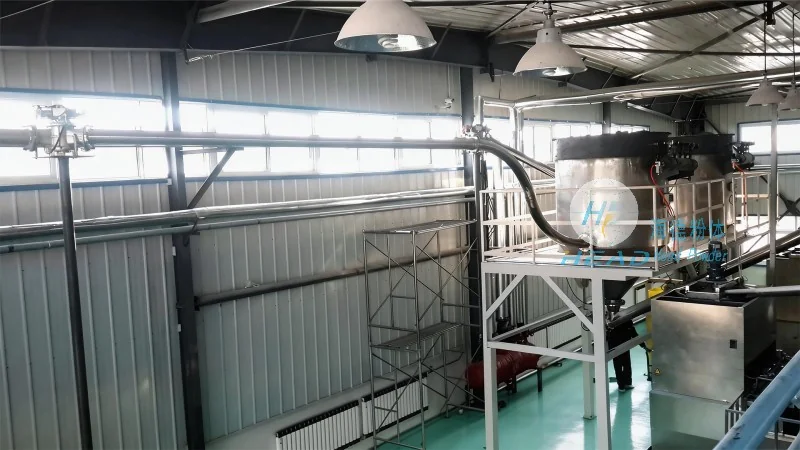
Working Principle of Pneumatic Conveying for Cement and Fly Ash
The core mechanism of pneumatic conveying for cement and fly ash involves several key steps. First, the material is fed into the system, typically from a hopper or silo. Then, a fan or blower generates the necessary airflow, which can be either positive pressure (blow-through) or negative pressure (suction). The air stream lifts and transports the particles through the pipeline. The system may include components like cyclones, filters, and separators to separate the material from the air before discharge. The entire process is controlled by a system of valves, regulators, and sensors to ensure consistent and reliable operation.
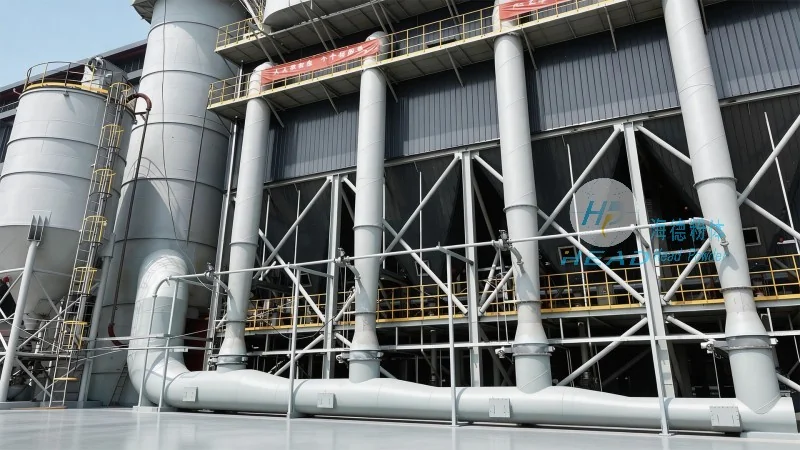
Key Characteristics of Pneumatic Conveying Systems
Several distinct characteristics make pneumatic conveying an attractive option for handling cement and fly ash:
- Efficiency and Speed: Pneumatic systems can transport materials at high speeds, reducing overall handling time and increasing production throughput. This is particularly beneficial in high-volume industrial settings.
- Environmental Benefits: Unlike traditional belt or bucket elevators, pneumatic conveying minimizes dust emissions and noise pollution. The enclosed pipeline system helps maintain a cleaner working environment and reduces the risk of material contamination.
- Flexibility and Adaptability: These systems can be easily configured to handle different material types and flow rates. They can be integrated into existing production lines or designed as standalone solutions, providing flexibility in system layout and operation.
- Low Maintenance: With fewer moving parts compared to mechanical conveyors, pneumatic systems generally require less maintenance. The absence of heavy machinery reduces wear and tear, leading to lower operational costs over time.
- Space Efficiency: Pneumatic conveying systems can be installed in confined spaces, making them ideal for facilities with limited floor area. The compact design allows for efficient use of available space without compromising performance.
Application in Cement and Fly Ash Handling
For cement and fly ash, pneumatic conveying is particularly effective due to the nature of these materials. Cement is a fine, abrasive powder that can cause wear on traditional conveyors, while fly ash is often handled in large quantities. Pneumatic systems can handle these challenges by using appropriate materials for the pipeline and components, ensuring long-term durability and reliable performance.
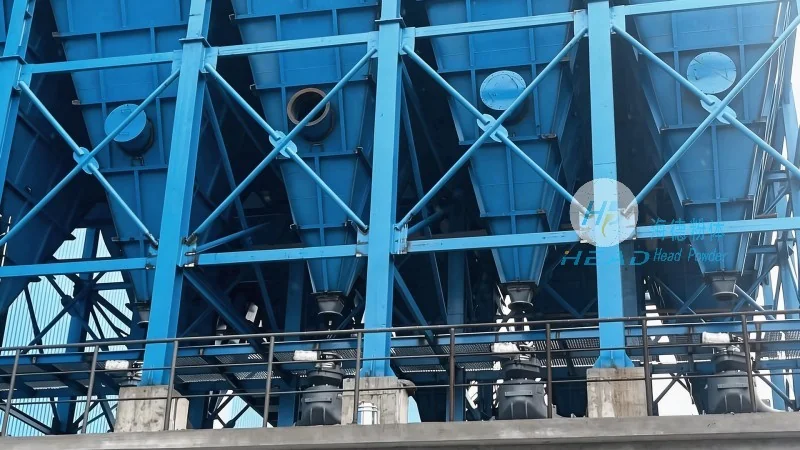
Conclusion
HeadPowder Engineering Co., Ltd., based in Shandong, China, leverages its expertise in pneumatic conveying technology to provide customized solutions for cement and fly ash handling. By understanding the working principles and characteristics of these systems, industries can optimize their material transport processes, enhance operational efficiency, and reduce environmental impact. The combination of advanced engineering and practical application makes pneumatic conveying a vital component in modern material handling strategies.




