For industries dealing with foam plastic materials, efficient material handling is crucial to maintain production efficiency and product quality. Pneumatic conveying systems have emerged as a reliable solution for transporting these lightweight, often fragile materials. This article explores the working principle and key characteristics of pneumatic conveying for foam plastic materials, highlighting how such systems enhance operational performance and process reliability.
Understanding Pneumatic Conveying Systems
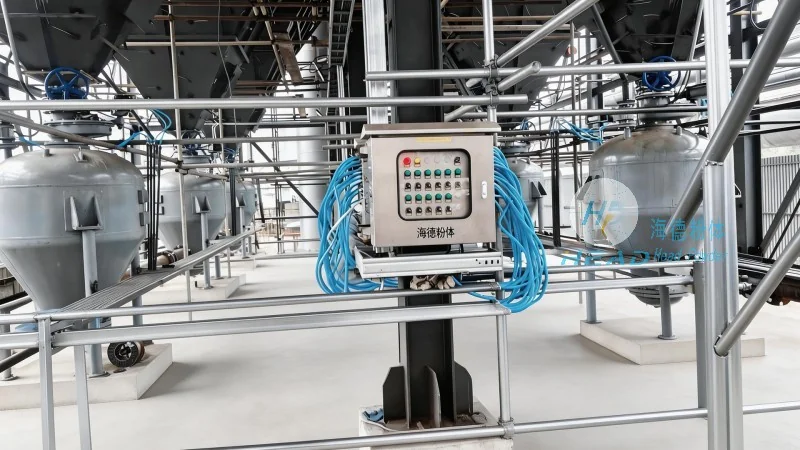
Pneumatic conveying, also known as air conveying, is a method of transporting bulk materials through a pipeline using a stream of air. This technology is particularly suitable for foam plastic materials due to its ability to handle fine powders and lightweight particles without causing damage or degradation. The system typically consists of a source of material, a conveying line, and a receiver, all connected by a network of pipes and valves.
The Working Principle of Foam Plastic Pneumatic Conveying
The core of a pneumatic conveying system for foam plastic materials involves the creation of a controlled airflow that propels the material through the pipeline. The process generally operates under either positive or negative pressure, depending on the system design and material characteristics. In positive pressure systems, air is blown into the conveying line, pushing the material forward. Conversely, negative pressure systems draw air and material through the line using a vacuum at the receiver end.
For foam plastic materials, the system must be designed to handle their low density and potential for static charge accumulation. This often requires specialized components such as airlocks, cyclones, and filters to ensure smooth material flow and prevent clogging. The air velocity within the pipeline is carefully controlled to maintain the material in a suspended state, preventing it from settling or adhering to the pipe walls.
Key Characteristics of Foam Plastic Pneumatic Conveying
Several distinct characteristics define the performance of pneumatic conveying systems for foam plastic materials, making them advantageous over traditional mechanical conveying methods. These include:
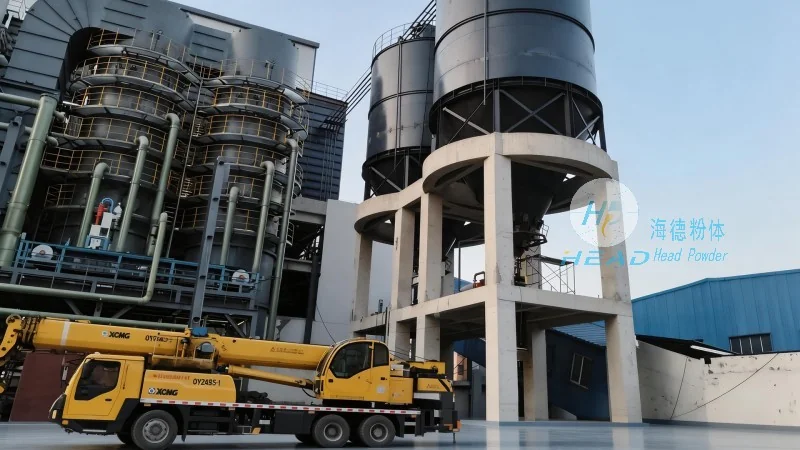
1. Gentle Material Handling: Pneumatic conveying minimizes mechanical stress on foam plastic particles, preserving their shape and integrity. This is critical for maintaining product quality, especially for materials used in packaging or insulation applications.
2. Dust-Free Operation: Unlike mechanical systems that may generate dust and particulate matter, pneumatic conveying operates in a closed system, reducing environmental contamination and improving workplace safety.
3. Versatility in Material Transport: The system can handle a wide range of foam plastic types, from expanded polystyrene (EPS) to polyethylene foam, with minimal adjustments to the airflow and system components.
4. Space Efficiency: Pneumatic conveying systems can be installed in compact spaces, making them ideal for facilities with limited floor area or where vertical transport is required.
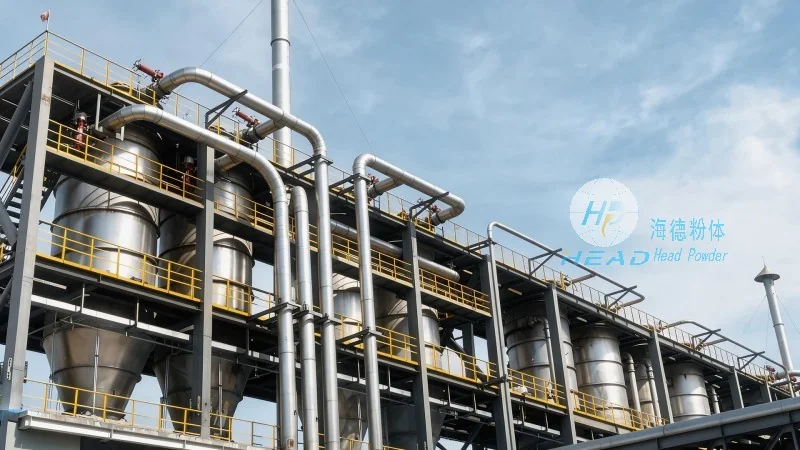
5. Reduced Maintenance: With fewer moving parts compared to mechanical conveyors, pneumatic systems experience lower wear and tear, leading to lower maintenance costs and longer operational life.
Applications and Benefits in Industrial Settings
Pneumatic conveying for foam plastic materials finds applications across various industries, including packaging, construction, and automotive manufacturing. In packaging, it is used to transport foam fillers and cushioning materials to production lines. In construction, it aids in the distribution of foam insulation materials to building sites. The benefits of this technology extend beyond material handling, contributing to overall process efficiency and cost reduction.
By leveraging the principles of pneumatic conveying, companies can achieve seamless material transport while maintaining product quality and operational safety. The technology's adaptability to different foam plastic types and its ability to operate in a closed system make it a preferred choice for modern industrial applications.
About Shandong HeadPowder Engineering Co., Ltd.
Shandong HeadPowder Engineering Co., Ltd., operating under the brand name headpowder, is a leading provider of pneumatic conveying solutions tailored for foam plastic materials. With a focus on innovation and customer-centric design, the company offers customized systems that meet the specific needs of its clients. Headpowder's expertise in material handling technology ensures that its solutions are efficient, reliable, and compliant with industry standards. Based in Shandong, China, the company leverages its local presence to deliver high-quality products and services to a global market.




