Heptahydrate magnesium sulfate, also known as Epsom salt, is a widely used chemical compound in various industrial applications. The air-pneumatic conveying line designed for handling this material is a specialized system that efficiently transports the powder from one location to another. This article explores the working principle and key features of such a system, highlighting its importance in modern material handling processes.
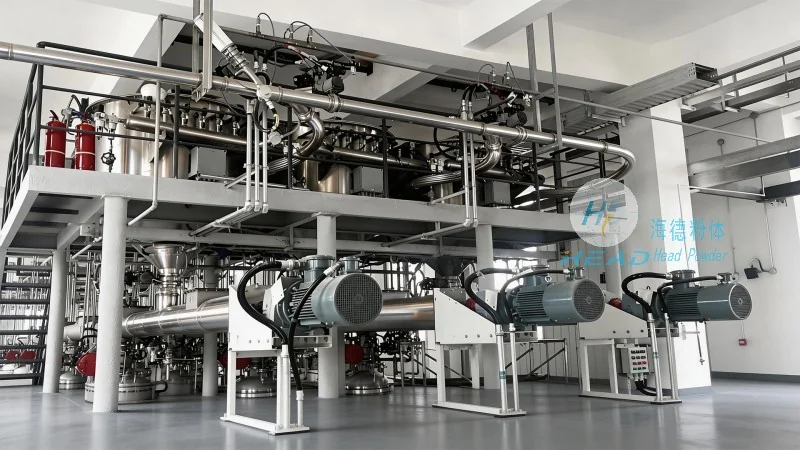
Overview of the Air-Pneumatic Conveying Line
The air-pneumatic conveying line for heptahydrate magnesium sulfate is a closed system that utilizes compressed air to move the material through a network of pipes. This method is particularly effective for transporting dry powders like heptahydrate magnesium sulfate, which can be prone to dust and clogging in traditional conveyor systems. The system typically consists of a hopper, a rotary airlock, a pipeline, and a receiver, all working in tandem to ensure smooth and continuous material transport.
Working Principle of the Air-Pneumatic Conveying Line
The operation of the air-pneumatic conveying line begins with the material being fed into the hopper. The hopper is designed to store a sufficient quantity of heptahydrate magnesium sulfate, ensuring a steady supply for the conveying process. As the material accumulates, it is drawn into the rotary airlock, which acts as a gate to control the flow rate. The rotary airlock is crucial as it prevents the backflow of air and ensures that only the required amount of material is released into the pipeline.
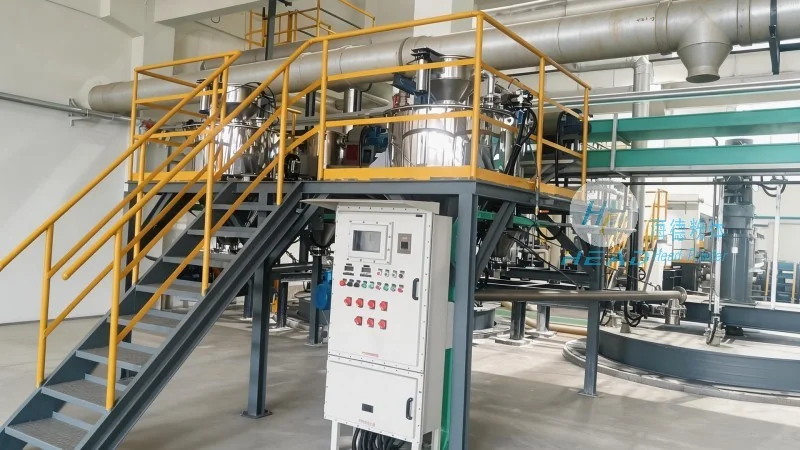
Once the material passes through the rotary airlock, it enters the pipeline, where compressed air is introduced. The compressed air creates a positive pressure environment, which propels the material forward. The air and material mixture travels through the pipeline at a controlled velocity, maintaining the material in a suspended state. This suspension prevents the material from settling or clogging the pipes. The receiver at the end of the pipeline collects the material, and the air is either filtered and recycled or released into the atmosphere, depending on the system design.
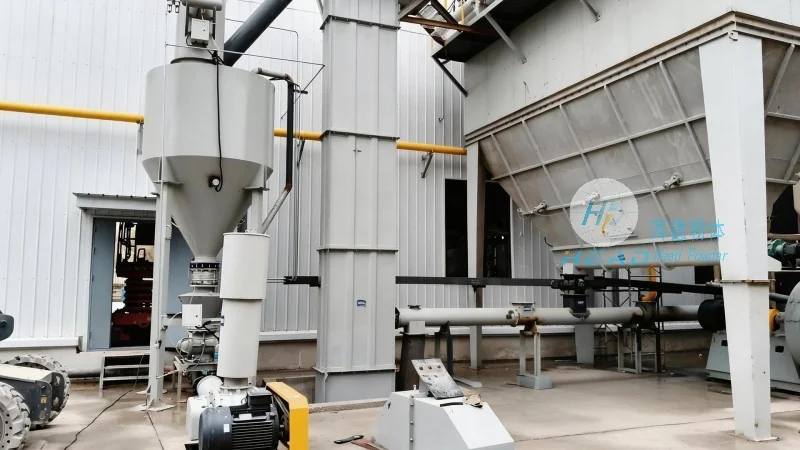
Key Features and Advantages
Several notable features make the air-pneumatic conveying line an ideal choice for handling heptahydrate magnesium sulfate. Firstly, it offers high efficiency in material transport, with the ability to move large quantities of powder over long distances with minimal labor. The system is also highly flexible, as it can be easily adjusted to accommodate different flow rates and material characteristics. Additionally, the closed system design minimizes dust exposure, which is a significant advantage in maintaining a clean and safe working environment.
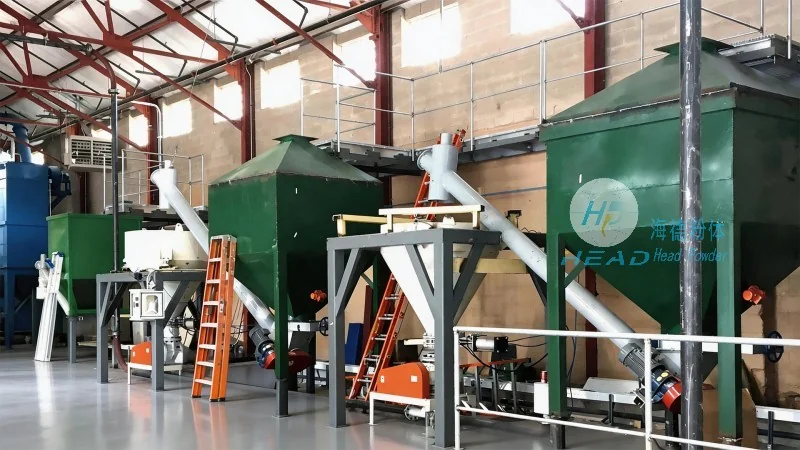
Another key feature is the energy efficiency of the system. By using compressed air to transport the material, the system reduces the need for mechanical components like belts or chains, which can be prone to wear and tear. This not only lowers maintenance costs but also increases the overall lifespan of the equipment. Furthermore, the system is designed to be compact and space-saving, making it suitable for installations in limited spaces, such as in industrial plants or warehouses.
Application and Industry Relevance
The air-pneumatic conveying line for heptahydrate magnesium sulfate is widely used in various industries, including pharmaceuticals, food processing, and chemical manufacturing. In the pharmaceutical industry, for example, the system is used to transport raw materials to production lines, ensuring that the material is handled hygienically and without contamination. In the food processing industry, the system is employed to move ingredients for food products, maintaining the quality and purity of the ingredients. The versatility of the system makes it suitable for a wide range of applications, from small-scale operations to large industrial facilities.




