Iron powder is a critical material in numerous industrial applications, and its efficient transportation is vital for maintaining production flow. Pneumatic conveying, a non-contact material handling method, provides an effective solution for iron powder transport. This article examines the principles of iron powder pneumatic conveying and outlines its key operational characteristics, with insights from Shandong HeadPowder Engineering Co., Ltd., a leading enterprise in the field.
Overview of Pneumatic Conveying Systems
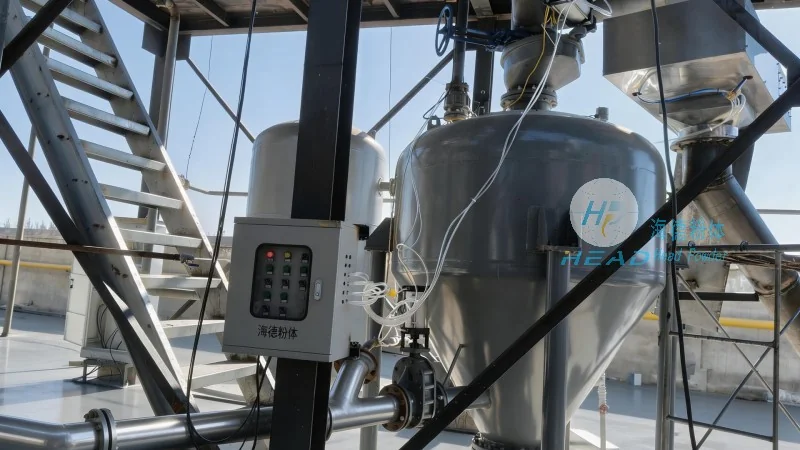
Pneumatic conveying systems utilize air or gas to move bulk materials like iron powder through a pipeline network. The fundamental principle involves creating a pressure differential to propel the material from the source to the destination. Two primary system types exist: positive pressure and negative pressure (vacuum) systems. Positive pressure systems generate air pressure at the material source, pushing the material through the pipeline, while negative pressure systems create a vacuum at the destination, drawing the material from the source.
Core Principles of Iron Powder Pneumatic Conveying
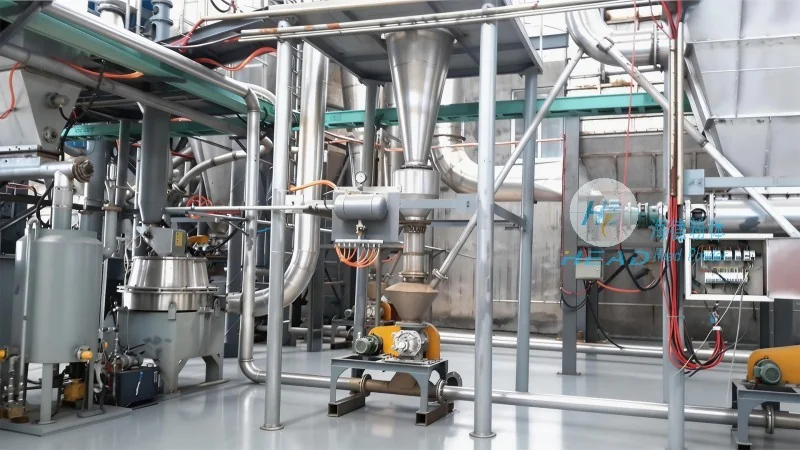
The successful operation of iron powder pneumatic conveying hinges on several key principles. First, the material's physical properties—such as particle size, density, and flowability—significantly influence system design. Iron powder typically has a fine particle size, which can lead to caking or agglomeration if not properly managed. To address this, systems may incorporate features like vibration or air agitation to maintain material flow. Second, air velocity and pressure must be optimized to ensure the material is fully suspended and transported without excessive equipment wear. This requires precise control of the air flow rate and pressure differential. Third, system components—including hoppers, feeders, and pipelines—must be constructed to withstand the abrasive nature of iron powder. Materials like stainless steel or specialized alloys are often used for components to extend system lifespan.
Common Application Scenarios
Iron powder pneumatic conveying is widely utilized in industrial settings where bulk material handling is essential. A primary application is in the steel and metal processing industry, where iron powder serves as a raw material for powder metallurgy, welding electrodes, or magnetic components. The system efficiently transports iron powder from storage silos to production lines, ensuring a continuous supply without manual handling. Another application is in the chemical industry, where iron powder acts as a catalyst or additive in various processes. The pneumatic conveying system allows for precise dosing and mixing of iron powder with other chemicals, enhancing process control. Additionally, in the manufacturing of magnetic products, iron powder is conveyed to coating or pressing machines, where it is shaped into final items. The system's ability to handle fine powders with minimal contamination makes it ideal for applications requiring high purity, such as in electronics or aerospace industries.
Operational Benefits and Considerations
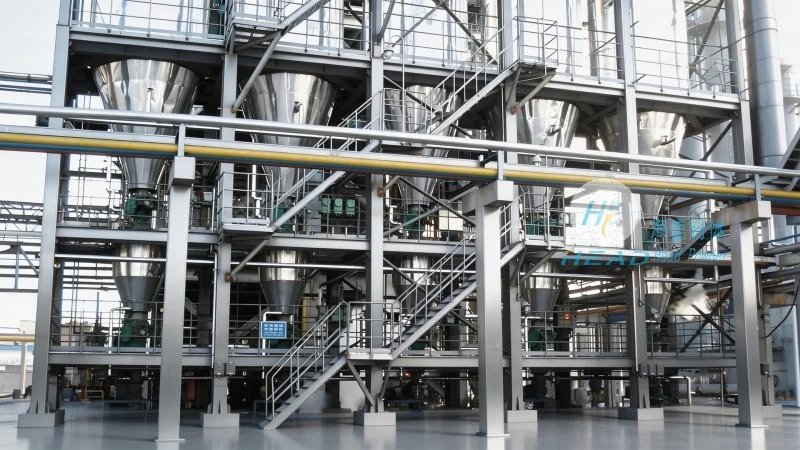
Implementing iron powder pneumatic conveying offers advantages over traditional methods like belt conveyors or bucket elevators. One major benefit is reduced material handling time and labor costs, as the system automates the entire transport process. Additionally, pneumatic conveying minimizes product contamination and degradation, critical for sensitive iron powder applications. The system also provides better dust control compared to open-air handling, improving workplace safety and environmental compliance. However, considerations include the need for effective filtration and dust collection to prevent iron powder from escaping into the environment. Regular maintenance is also essential to address wear and tear on components, ensuring efficient long-term operation. Shandong HeadPowder Engineering Co., Ltd. specializes in designing and manufacturing customized pneumatic conveying systems tailored to iron powder applications, providing solutions that enhance operational efficiency and product quality.




