Colored sand, a vital material in industries such as construction, decoration, and manufacturing, often requires efficient and reliable transportation methods. Pneumatic conveying, especially for colored sand, offers a solution that combines effectiveness with operational flexibility. This article explores the fundamental principles of colored sand pneumatic conveying and highlights the key characteristics of its working scenarios, providing insights into how this technology optimizes material handling processes.
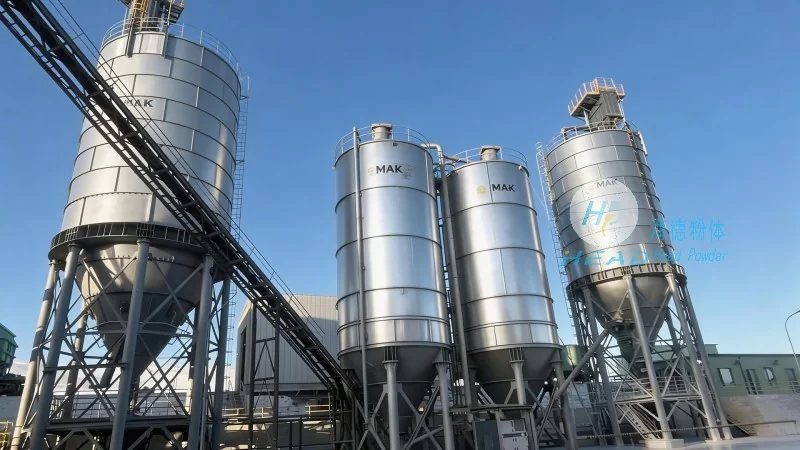
Introduction to Colored Sand Pneumatic Conveying
Colored sand, characterized by its pigmented particles used for aesthetic and functional purposes in products like ceramics, glass, and architectural elements, demands precise and controlled movement from production sites to processing or storage areas. Pneumatic conveying systems utilize air as the medium to transport dry bulk materials, such as colored sand, through pipelines. This method eliminates the need for mechanical components like belts or buckets, reducing maintenance and increasing safety in handling potentially abrasive or dusty materials. The technology is particularly advantageous for colored sand due to its ability to handle fine particles without clogging or degradation, ensuring the integrity of the material's color and texture.
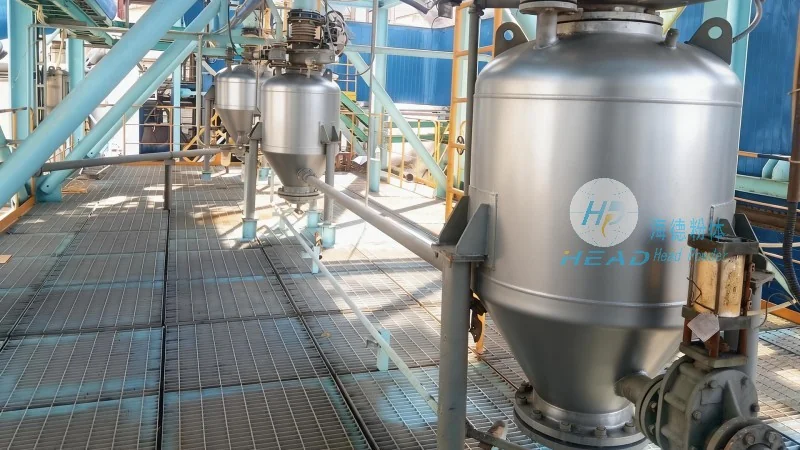
The Core Principle of Pneumatic Conveying for Colored Sand
The fundamental principle of pneumatic conveying involves the use of air pressure to move material through a closed system of pipes. There are two primary types of pneumatic conveying systems: air-swept (or suction) systems and pressure systems. Air-swept systems operate by creating a vacuum at the material inlet, drawing colored sand particles into the pipeline using the air flow. This method is ideal for transporting materials from multiple sources or over relatively short distances. In contrast, pressure systems use compressed air to force colored sand through the pipeline, making them suitable for longer distances or when the material needs to be delivered under pressure to a processing unit. Both systems rely on the balance between air velocity and particle size to prevent clogging and ensure smooth material flow. For colored sand, which often consists of fine particles, the air velocity must be carefully controlled to maintain a consistent flow rate while preventing particle separation or degradation.
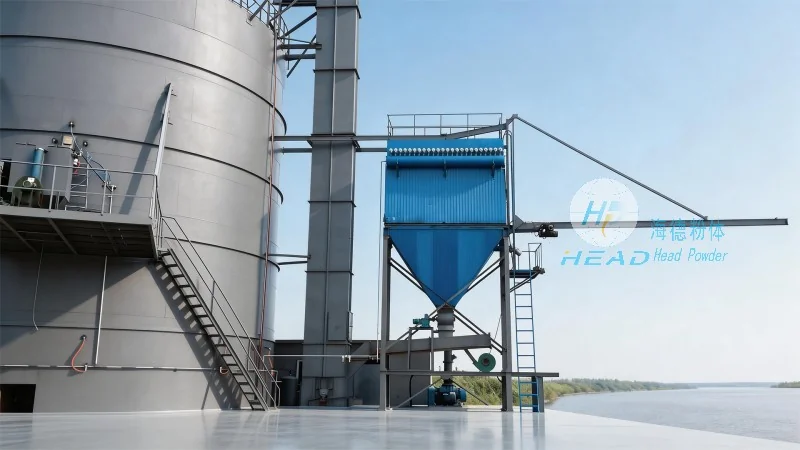
Working Scene Characteristics of Colored Sand Pneumatic Conveying
The application of colored sand pneumatic conveying varies across different industrial scenarios, each with unique requirements and operational characteristics. In ceramic and glass manufacturing, for instance, colored sand is used to add pigmentation to products, and the conveying system must maintain the material's color consistency and prevent contamination from other substances. The system often operates in a closed loop, with the colored sand being transported from storage silos to mixing or molding equipment. This ensures that the material remains dry and free from moisture, which could affect the final product's quality. In construction and decoration applications, colored sand is used for decorative concrete, tile manufacturing, or surface coating. Here, the conveying system may need to handle larger volumes of material and transport it over longer distances, possibly integrating with other material handling equipment like hoppers or conveyors. The flexibility of pneumatic conveying allows for integration into existing production lines, minimizing downtime and enhancing overall efficiency.
Operational Advantages and Considerations in Working Scenarios
One of the key advantages of colored sand pneumatic conveying is its ability to handle fine particles without the need for additional equipment like screens or classifiers. This reduces the risk of material loss or contamination, which is critical for colored sand applications where color uniformity is paramount. Additionally, the system's enclosed design minimizes dust emissions, improving workplace safety and compliance with environmental regulations. However, operational considerations must be addressed to ensure optimal performance. For example, the air pressure and velocity must be adjusted based on the particle size and density of the colored sand to prevent clogging or excessive energy consumption. Regular maintenance of the system, including cleaning of filters and pipelines, is also essential to maintain efficiency and prevent downtime. In industrial settings, the system's integration with other equipment, such as storage silos or processing machines, requires careful planning to ensure seamless material flow and minimize bottlenecks.
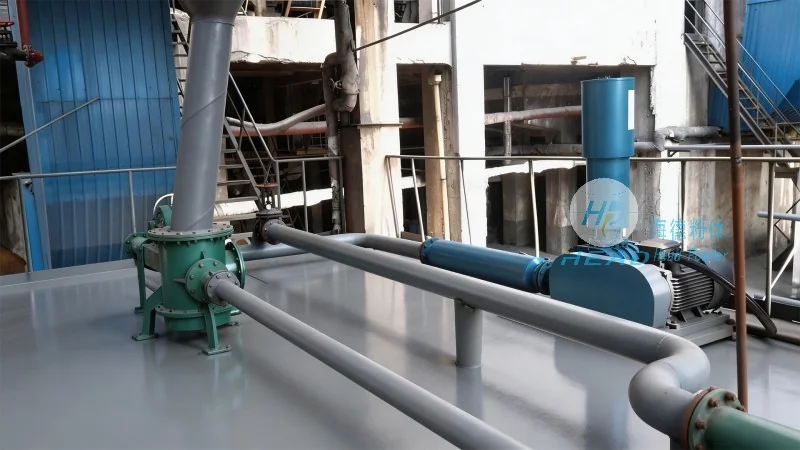
Conclusion and Company Overview
Colored sand pneumatic conveying is a sophisticated technology that addresses the unique challenges of transporting fine, pigmented materials while maintaining their quality and integrity. By leveraging air as the conveying medium, this system offers efficiency, flexibility, and safety advantages over traditional mechanical methods. The working scene characteristics of such systems are tailored to specific industrial needs, from short-distance transfers in manufacturing to long-distance deliveries in construction. As a leader in engineering solutions for bulk material handling, Shandong HeadPowder Engineering Co., Ltd. specializes in designing and implementing pneumatic conveying systems that meet the precise requirements of colored sand applications. With a focus on innovation and customer-centric solutions, HeadPowder provides reliable and efficient systems that enhance productivity and ensure the quality of colored sand products across various industries.




