HeadPowder, a leading engineering company based in Shandong, China, specializes in the design and implementation of advanced pneumatic conveying systems for coke. This article explores the fundamental principles behind coke pneumatic conveying and highlights key application scenarios where such systems are employed.
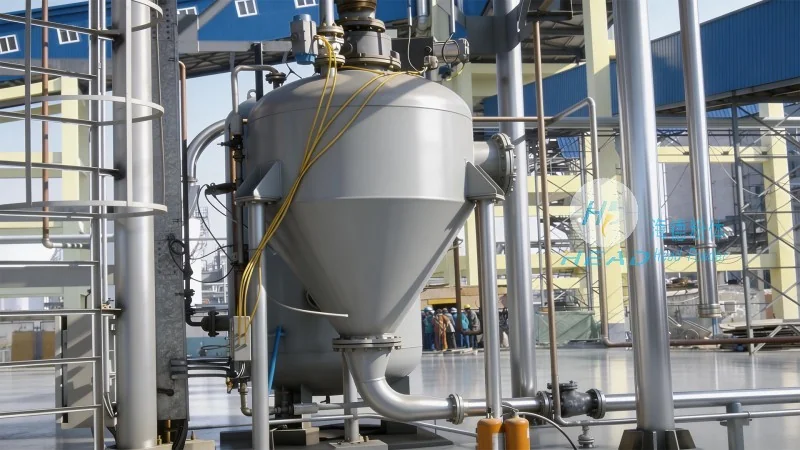
Coke, a critical byproduct of the coking process used in steel production, requires efficient and reliable transportation methods to move it from production sites to storage or processing facilities. Pneumatic conveying offers a solution that minimizes material handling risks, reduces labor costs, and enhances overall operational efficiency. The core principle of pneumatic conveying involves transporting bulk materials like coke using a stream of air or other gas within a closed pipeline system.
The process typically operates by creating a pressure differential between the inlet and outlet of the conveying line. A fan or blower generates the necessary airflow, which draws the coke particles into the pipeline. The velocity of the air is carefully controlled to ensure that the coke remains suspended and moves smoothly through the system without settling or causing blockages. This suspension is achieved by maintaining the air velocity above the material's terminal velocity, a critical parameter that depends on the size, density, and shape of the coke particles.
There are two primary types of pneumatic conveying systems used for coke: dilute-phase and dense-phase. Dilute-phase systems operate at higher air velocities, typically transporting materials in a relatively low concentration, making them suitable for long-distance and high-velocity applications. Dense-phase systems, on the other hand, use lower air velocities and higher material concentrations, which is ideal for transporting sensitive or abrasive materials like coke over shorter distances with minimal degradation.
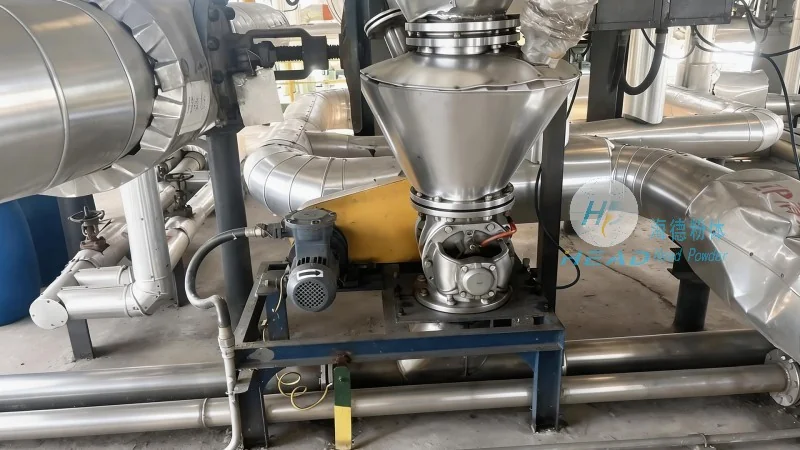
Key components of a coke pneumatic conveying system include the material feed hopper, which ensures a consistent flow of coke into the system; the conveying line, which may include bends, expansions, and restrictions to guide the material; and the discharge hopper or silo, where the coke is collected. The system may also incorporate filters and cyclones to separate any fine particles from the air stream, ensuring compliance with environmental regulations and maintaining system efficiency.
Common Application Scenarios for Coke Pneumatic Conveying
In industrial settings, coke pneumatic conveying is employed in various scenarios where traditional methods like belt conveyors or bucket elevators are less suitable. One common application is the transfer of coke from the coking oven to a storage silo or a downstream processing unit, such as a coke crusher or a blending plant. This process requires a system that can handle the high volume and abrasive nature of coke, while minimizing the risk of material buildup or equipment wear.
Another important application is the transport of coke from a storage facility to a shipping terminal or a railway loading station. Pneumatic conveying systems are particularly advantageous in these scenarios because they can handle the material over long distances without the need for multiple transfer points or intermediate storage, which can be costly and inefficient. The ability to integrate with existing infrastructure, such as existing pipelines or buildings, makes pneumatic conveying a flexible solution for many industrial sites.
Additionally, coke pneumatic conveying is used in environmental applications, such as the collection and transport of coke dust from production facilities. By capturing fine coke particles using cyclones or filters, the system not only prevents air pollution but also recovers valuable material that can be reprocessed. This dual benefit of material recovery and environmental compliance makes the system highly attractive for modern industrial operations.
Benefits of Using Pneumatic Conveying for Coke Handling
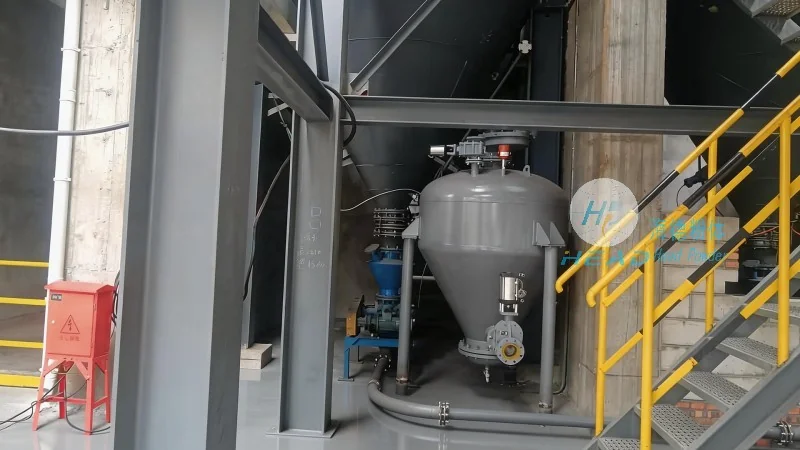
Implementing a pneumatic conveying system for coke handling offers several advantages over traditional methods. First, it significantly reduces the risk of dust exposure and related health hazards, as the material is contained within the pipeline system. This is particularly important in environments where coke dust can be a respiratory irritant or cause other health issues. Second, the system minimizes the need for manual handling, which reduces labor costs and improves workplace safety.
Third, pneumatic conveying systems are highly efficient in terms of energy consumption. By optimizing the air velocity and pressure, the system can transport large volumes of coke with minimal energy input, leading to lower operational costs over time. Fourth, the system is highly adaptable to changes in production volume or process requirements. The ability to adjust the airflow and material feed rate allows for flexible operation, making it suitable for both continuous and intermittent production cycles.
Finally, the use of pneumatic conveying systems enhances the overall quality of the coke product. By minimizing material degradation during transport, the system ensures that the coke retains its desired properties, such as strength and reactivity, which are critical for downstream applications in steel production. This quality control aspect is essential for maintaining the performance of the final steel products and meeting industry standards.
Conclusion
HeadPowder Engineering Co., Ltd., with its headquarters in Shandong, China, provides comprehensive solutions for coke pneumatic conveying systems. By leveraging advanced engineering principles and tailored system designs, the company ensures that its clients achieve optimal performance, efficiency, and safety in their coke handling operations. Whether for long-distance transport, storage, or environmental compliance, the principles and application scenarios of coke pneumatic conveying remain a vital component of modern industrial processes.




