Grain pneumatic conveying is a critical technology in the agricultural and food processing industries, enabling the efficient transport of grains like millet from one location to another without the need for mechanical components like belts or buckets. This method relies on the principles of fluid dynamics to move bulk materials through a pipeline system using air or other gases as the conveying medium. Understanding the underlying principles and the specific characteristics of working scenes is essential for optimizing the performance and reliability of grain handling operations.
Principles of Pneumatic Conveying for Grain
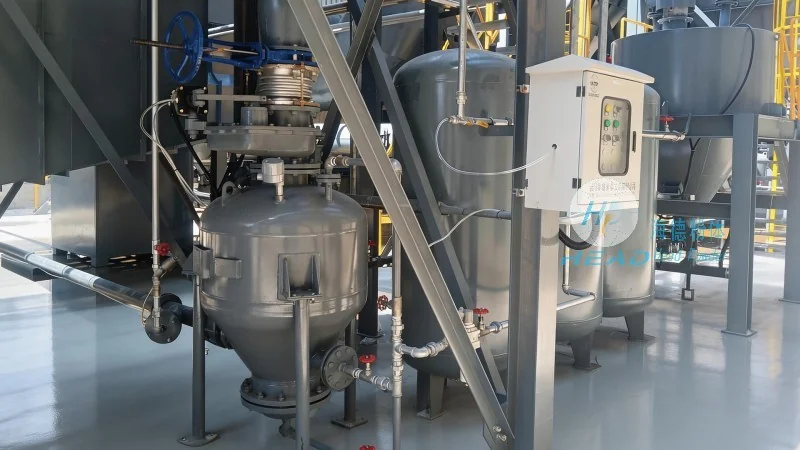
The core principle of pneumatic conveying for grain involves creating a pressure differential within a pipeline system. In an aspiration (or suction) system, a vacuum is generated at the inlet to draw the grain into the pipeline. The air and grain mixture then travels through the pipeline to a separator where the grain is separated from the air and discharged. Conversely, in a pressure (or blow) system, compressed air is used to push the grain through the pipeline. The choice between aspiration and pressure systems depends on factors such as the distance to be covered, the grain characteristics, and the required conveying capacity. For millet, which is a small, lightweight grain, aspiration systems are often preferred due to their ability to handle fine particles and minimize product damage.
Working Scene Characteristics of Grain Pneumatic Conveying
The working scene characteristics of grain pneumatic conveying vary significantly based on the application and operational environment. In grain storage facilities, pneumatic conveying systems are used to transfer millet from silos or storage bins to processing equipment or loading areas. The key characteristics here include high conveying capacity, low maintenance requirements, and the ability to handle large volumes of grain over long distances. For example, in a large-scale millet storage facility in Shandong, China, a pneumatic conveying system can efficiently move thousands of tons of millet from storage silos to a processing plant, ensuring a continuous supply of raw material.
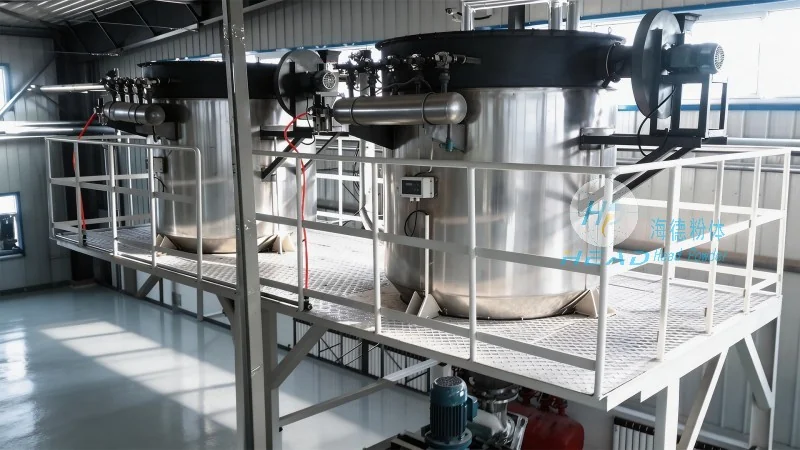
In grain processing plants, the working scene is more focused on precision and control. Here, pneumatic conveying is used to transport millet to grinding, milling, or sorting equipment. The characteristics in this scenario include the need for gentle handling to preserve the grain's quality, adjustable conveying speeds, and integration with other processing machinery. The system must be able to handle varying grain moisture levels and particle sizes without clogging or damaging the equipment. For instance, in a headpowder facility, a pneumatic conveying system might be used to transport millet from a hopper to a milling machine, where the grain is ground into flour or other products.
Another important working scene is farm-to-factory logistics. In this scenario, the pneumatic conveying system is used to transport millet from the field or farm to the processing plant. The characteristics here include the need for portability and adaptability to different farm layouts, as well as the ability to handle outdoor conditions and varying grain conditions. The system must be able to start and stop quickly to match the production rate of the farm. In rural areas of Shandong, China, small-scale farmers often use pneumatic conveyors to transport freshly harvested millet from their fields to a local processing facility, improving efficiency and reducing labor costs.
Key Factors Influencing Pneumatic Conveying Performance
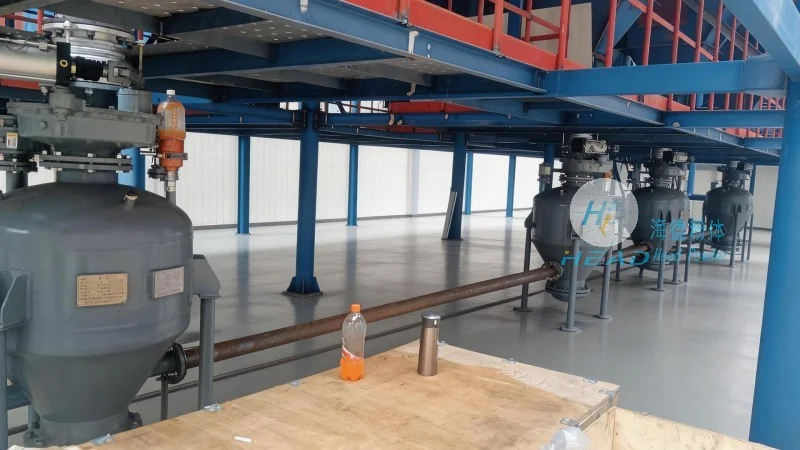
Several factors influence the performance of grain pneumatic conveying systems, particularly for millet. The first is the grain characteristics, such as size, shape, moisture content, and density. Millet, being a small, spherical grain, is well-suited for pneumatic conveying as it can be easily suspended in air. However, high moisture content can lead to clogging, so proper drying and conditioning of the grain are essential. The second factor is the system design, including pipeline diameter, length, and layout. The diameter of the pipeline must be sufficient to prevent excessive pressure drops and maintain the air-grain mixture velocity. The third factor is the air flow rate, which must be optimized to ensure that the grain is fully suspended and conveyed without excessive energy consumption. For headpowder, a leading manufacturer of grain handling equipment, the design of their pneumatic conveying systems takes into account these factors to provide reliable and efficient solutions for millet and other grains.
The operational environment also plays a crucial role in the working scene characteristics. In indoor facilities, the system can be designed with enclosed pipelines to minimize dust and improve safety. In outdoor or semi-outdoor applications, the system must be protected from weather elements and dust ingress. The location of the system, such as in a warehouse or processing plant in Shandong, China, affects the choice of equipment and the overall layout. For example, in a facility located in a rural area, the system may need to be more robust to withstand environmental conditions, while in an urban setting, space constraints may require a more compact design.
Advantages and Challenges of Grain Pneumatic Conveying
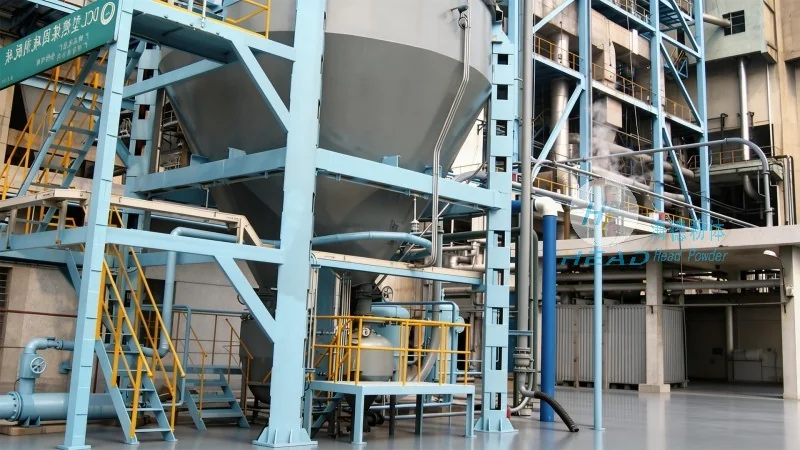
Grain pneumatic conveying offers several advantages over traditional mechanical conveying methods. The primary advantage is the gentle handling of the grain, which minimizes breakage and preserves the grain's quality. This is particularly important for millet, which is often used for human consumption or animal feed, where quality is a key factor. Another advantage is the flexibility of the system, as it can be easily reconfigured to handle different grain types or to change the conveying route. The system can also be integrated with other equipment, such as storage silos or processing machinery, to create a seamless workflow.
However, there are also challenges associated with pneumatic conveying. One of the main challenges is clogging, which can occur due to high moisture content, dust, or foreign materials in the grain. This can lead to system downtime and increased maintenance costs. Another challenge is the energy consumption, as pneumatic conveying requires a significant amount of air flow, which can increase operational costs. Additionally, the system may be prone to dust generation, which can affect worker health and safety. For headpowder, these challenges are addressed through advanced system designs, such as using high-efficiency separators and filters, and implementing regular maintenance schedules to ensure optimal performance.




