HeadPowder, a leading engineering company based in Shandong, China, specializes in the design and implementation of pneumatic conveying systems tailored for cassava processing. This article explores the fundamental principles behind cassava pneumatic conveying and highlights the key application scenarios where such systems excel in efficiency and reliability.
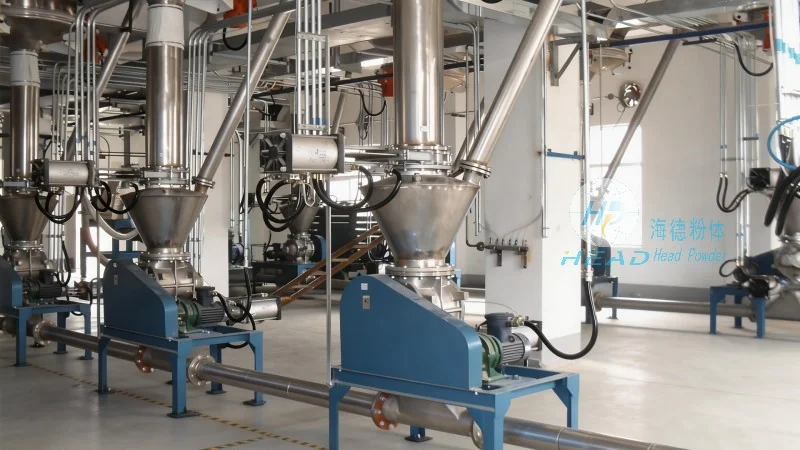
The Fundamental Principles of Pneumatic Conveying for Cassava
Pneumatic conveying is a method of transporting bulk materials like cassava through a pipeline using air or gas as the conveying medium. The core principle involves creating a pressure differential within the system to move the material from the source to the destination. In cassava processing, this technology is particularly effective due to the material's characteristics, such as its size, moisture content, and density. The system typically consists of a hopper, a conveyor line, and a receiver, with air being introduced at specific points to generate the necessary force for material movement. The design of the conveying line, including the diameter, length, and bends, is critical to ensuring smooth and efficient transport without causing excessive wear or degradation of the cassava.
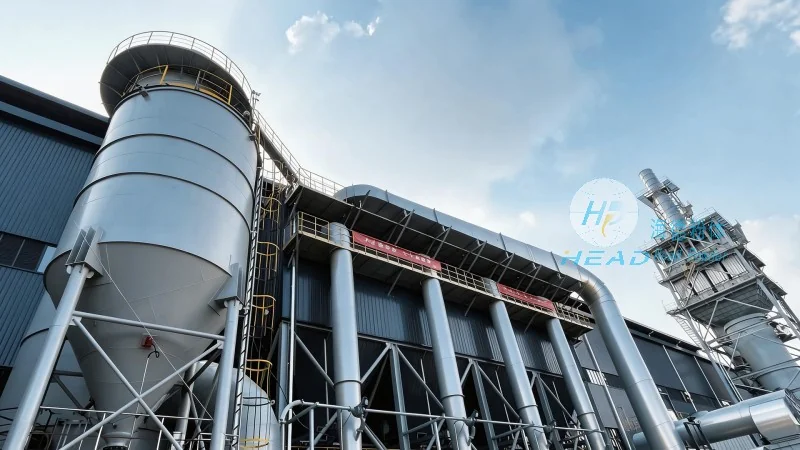
Key Application Scenarios and Operational Advantages
The application of cassava pneumatic conveying systems varies across different stages of the cassava processing industry. One primary scenario is in the initial handling of raw cassava, where the material is moved from storage silos or fields to processing facilities. This method offers significant advantages over traditional belt conveyors or manual handling, including reduced labor costs, minimized material contamination, and enhanced safety in handling potentially hazardous or bulky cassava pieces. Another common scenario is in the transport of cassava to processing equipment such as washers, peeling machines, or driers. The ability to convey cassava in a controlled manner ensures consistent processing quality and reduces downtime associated with material handling bottlenecks.
Enhancing Efficiency in Cassava Processing Workflows
In the context of cassava-based product manufacturing, such as starch extraction or ethanol production, pneumatic conveying systems play a vital role in integrating various processing steps. For instance, after cassava is peeled and washed, the material is conveyed to a drier or a milling machine using pneumatic systems. This approach maintains the material's moisture content and prevents breakage, which is crucial for maintaining the quality of the final product. The flexibility of pneumatic conveying also allows for integration with other processing equipment, enabling seamless material flow from one stage to the next. Additionally, the system's ability to handle varying material loads and adjust air pressure dynamically ensures consistent performance even under fluctuating production demands.
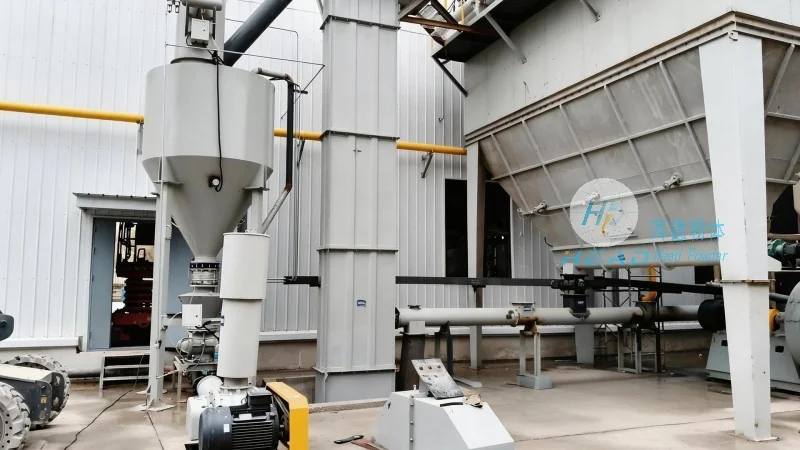
About HeadPowder Engineering Co., Ltd.
HeadPowder Engineering Co., Ltd., headquartered in Shandong, China, is a reputable provider of specialized engineering solutions for the agricultural and food processing industries. With a focus on innovation and customer-centric design, the company has developed expertise in designing and manufacturing pneumatic conveying systems tailored to the unique needs of cassava processing. The company's team of engineers and technicians leverages advanced technology and industry experience to deliver efficient, reliable, and cost-effective solutions that enhance operational productivity and reduce maintenance costs for clients. By adhering to strict quality standards and providing comprehensive after-sales support, HeadPowder has established itself as a trusted partner in the cassava processing sector.




