Principle and Working Scene Characteristics of Cement Dry Powder Pneumatic Conveying Systems
Release time:2026-09-18 17:01:28
name of the company:Shandong Headpowder Engineering Co., Ltd.
telephone:156-6277-7102
contacts:Zhang manager
HeadPowder, a leading engineering company based in Shandong, China, specializes in the design and implementation of advanced pneumatic conveying systems for cement and other dry powders. This article explores the fundamental principles behind these systems and highlights the key characteristics of their operational environments.
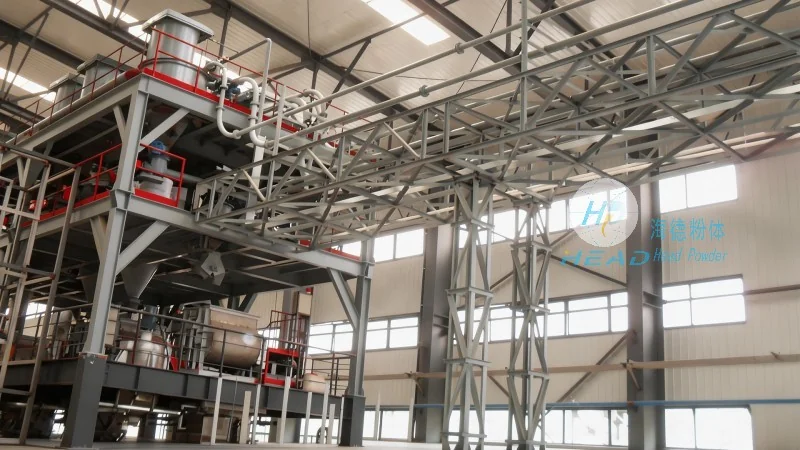
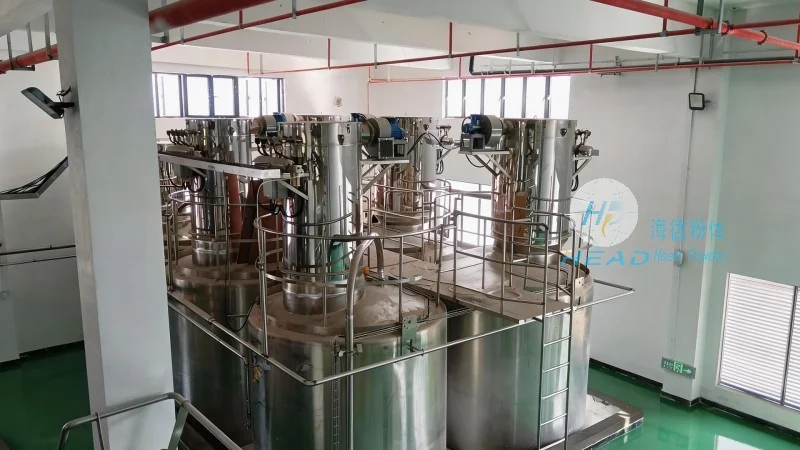
The Core Principle of Pneumatic Conveying for Cement Dry Powders
The primary mechanism of cement dry powder pneumatic conveying systems involves the use of compressed air to transport bulk dry materials like cement through a pipeline network. The process typically operates on the principle of creating a pressure differential between the inlet and outlet of the conveying line. By injecting high-pressure air into the material hopper, the system generates a flow that entrains the cement particles, propelling them through the pipeline to the destination silo or storage area. This method eliminates the need for mechanical components such as belts or screws, reducing maintenance requirements and enhancing operational efficiency.
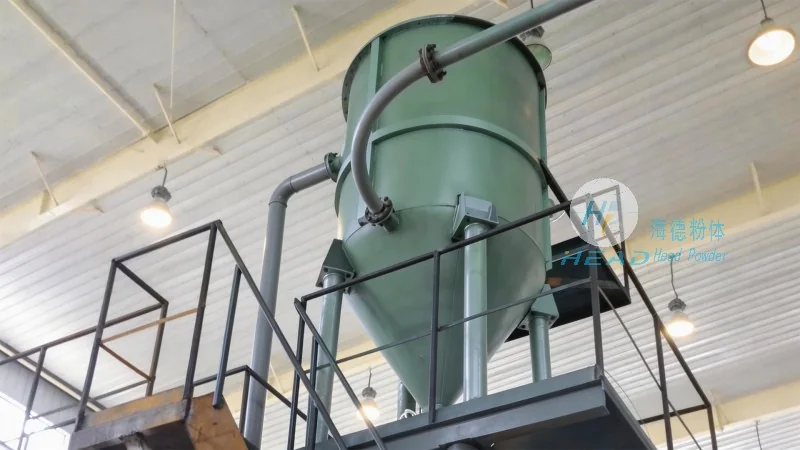
Key Working Scene Characteristics of Cement Dry Powder Pneumatic Conveying Systems
Several distinct characteristics define the operational environments of cement dry powder pneumatic conveying systems. Firstly, the systems are designed to handle high volumes of material, making them ideal for large-scale cement production and distribution facilities. The ability to transport large quantities of cement efficiently reduces downtime and improves overall productivity. Secondly, the systems are built for durability and reliability, with robust materials and components that can withstand the abrasive nature of cement particles. This ensures long-term operational stability and minimal maintenance interruptions. Thirdly, the systems offer flexibility in terms of layout and integration with existing infrastructure. They can be adapted to various plant configurations, allowing for seamless integration into existing production lines without major structural modifications. Additionally, the systems provide a clean and hygienic method of material transport, minimizing dust generation and ensuring compliance with environmental regulations. This is particularly important in industrial settings where air quality and worker safety are critical concerns.
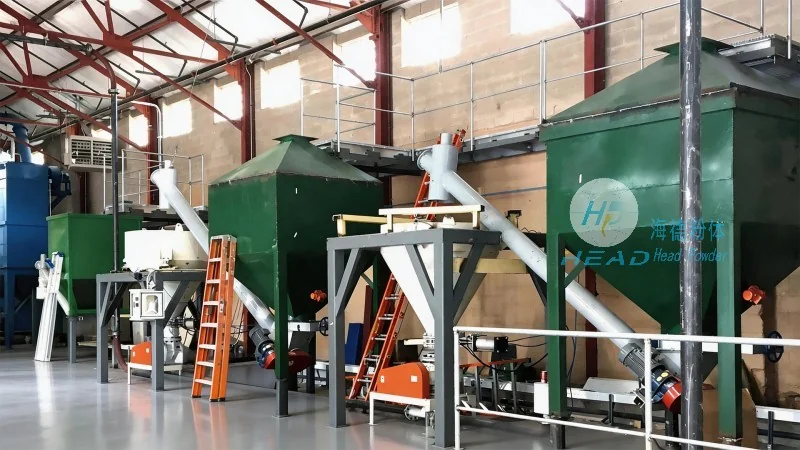
Advantages and Practical Applications
Cement dry powder pneumatic conveying systems offer several advantages over traditional conveying methods. The most significant benefit is the reduction in material handling costs, as the system eliminates the need for manual labor or heavy machinery for transporting bulk cement. This leads to lower operational expenses and increased profitability for cement manufacturers. Another advantage is the improved safety of the process, as the enclosed pipeline system reduces the risk of dust explosions and inhalation hazards. The systems also contribute to better environmental performance by minimizing dust emissions and improving air quality in the workplace. In practical applications, these systems are widely used in cement plants, construction sites, and industrial facilities that require the efficient transport of dry powders. They are particularly suitable for applications where long-distance transport or vertical lifting of cement is required, such as in large-scale cement production facilities or distribution centers.




