High-pressure pneumatic conveying systems represent a sophisticated method for transporting bulk materials through a pipeline using pressurized air or gas. This technology is widely utilized across various industries due to its efficiency, flexibility, and ability to handle a diverse range of materials. The core principle involves creating a pressure differential that propels material particles through the pipeline, making it an ideal solution for applications requiring precise material handling and minimal contamination.
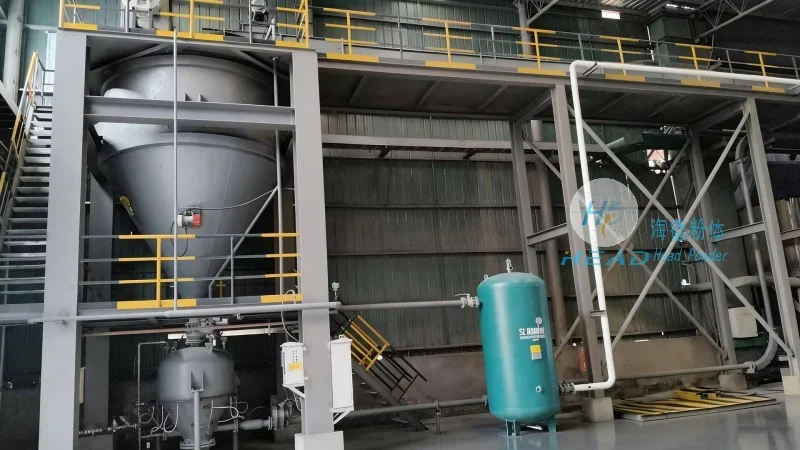
The Fundamental Principle of High-Pressure Pneumatic Conveying
At the heart of high-pressure pneumatic conveying lies the principle of pressurized air movement. Unlike low-pressure systems that rely on vacuum, high-pressure systems operate by forcing air or gas through the pipeline at elevated pressures, typically ranging from 0.5 to 10 bar. This pressurization ensures that the material is entrained and transported efficiently, even for cohesive or fine powders. The system comprises several key components, including a blower or compressor, a hopper for material storage, a conveying line, and a discharge point. The blower generates the necessary pressure, while the hopper feeds material into the pipeline. As air flows through the line, it picks up material particles, forming a dense phase flow that moves toward the discharge point. This dense phase flow minimizes particle degradation and ensures consistent material transport.
Key Working Scene Characteristics of High-Pressure Pneumatic Conveying
High-pressure pneumatic conveying systems exhibit distinct characteristics that make them suitable for specific working environments. One primary characteristic is their ability to handle a wide variety of materials, from fine powders to granules and even bulk solids. This versatility is crucial in industries such as pharmaceuticals, food processing, and chemical manufacturing, where material purity and contamination control are paramount. Another key characteristic is the system's compact design, which allows for installation in confined spaces without compromising performance. This makes high-pressure systems ideal for retrofitting into existing facilities or for applications with limited floor space. Additionally, high-pressure systems offer excellent control over material flow rates and pressure, enabling precise dosing and regulation. This level of control is essential for processes that require consistent material delivery, such as in pharmaceutical manufacturing or food processing lines.
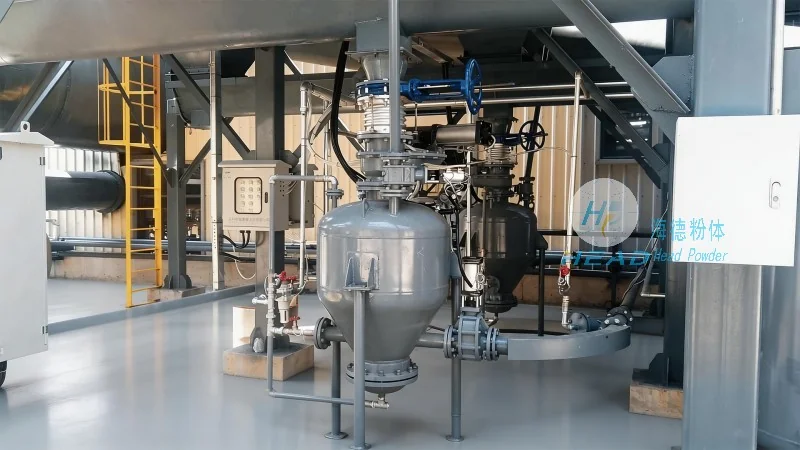
Applications and Operational Scenarios
High-pressure pneumatic conveying systems are employed in numerous operational scenarios across different industries. In the pharmaceutical industry, for example, these systems are used to transport active pharmaceutical ingredients (APIs) and excipients with high precision, ensuring that the material remains sterile and free from contamination. The controlled environment and minimal contact with air make high-pressure systems suitable for sensitive materials. In the food processing sector, high-pressure systems are utilized to transport ingredients like flour, sugar, and spices, maintaining product quality and preventing cross-contamination. The ability to handle fine powders without caking or agglomeration is particularly valuable in food applications. In the chemical industry, high-pressure systems are employed to transport reactive or hazardous materials, such as powders used in chemical synthesis. The pressurized environment helps contain material and prevent exposure to the atmosphere, enhancing safety. Furthermore, high-pressure systems are used in industrial settings for material transfer between different processing stages, such as from a mixer to a dryer or from a storage silo to a packaging line. The flexibility of these systems allows for integration into existing production lines, reducing downtime and improving overall operational efficiency.
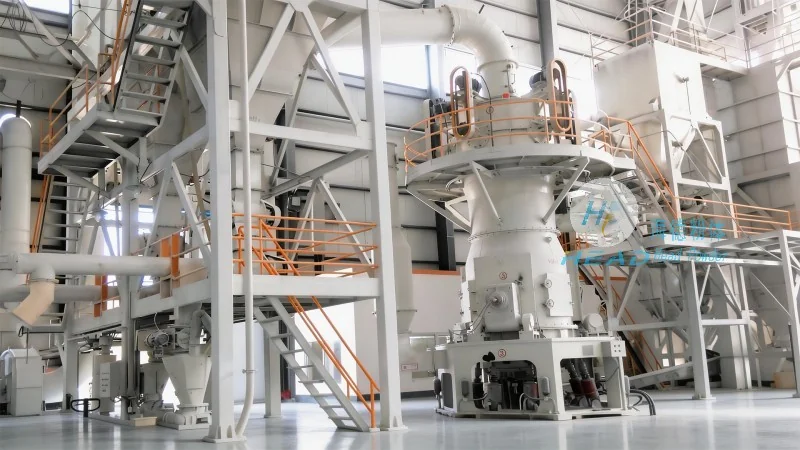
Advantages and Considerations in High-Pressure Pneumatic Conveying
High-pressure pneumatic conveying systems offer several advantages that make them a preferred choice for many applications. One significant advantage is their ability to handle long-distance material transport with minimal energy consumption compared to other methods like belt conveyors or trucks. The pressurized air flow ensures that material moves efficiently through the pipeline, reducing the need for additional equipment or labor. Another advantage is the reduced risk of material degradation, as the system operates in a closed environment, minimizing exposure to air, moisture, or other contaminants. This is particularly important for heat-sensitive or moisture-sensitive materials. However, high-pressure systems also have considerations that must be addressed. The initial investment cost can be higher than traditional conveying methods, as they require specialized equipment like high-pressure blowers and robust pipelines. Additionally, maintenance requirements are more stringent, as the system components are subject to higher pressures and wear. Regular inspections and maintenance are necessary to ensure optimal performance and prevent system failures. Furthermore, the system's efficiency depends on proper design and sizing, as incorrect pressure or flow rates can lead to material blockages or reduced throughput.
About Shandong HeadPowder Engineering Co., Ltd.
Shandong HeadPowder Engineering Co., Ltd., commonly known as headpowder, is a leading provider of high-pressure pneumatic conveying solutions. The company is headquartered in Shandong, China, and specializes in designing, manufacturing, and installing customized pneumatic conveying systems tailored to the specific needs of various industries. With years of experience in the field, headpowder has developed a reputation for delivering reliable and efficient systems that meet the highest standards of quality and performance. The company's expertise lies in understanding the unique challenges of each application and providing tailored solutions that enhance operational efficiency and material handling capabilities. Headpowder's team of engineers and technicians work closely with clients to assess their requirements, design appropriate systems, and ensure smooth installation and operation. The company's commitment to innovation and customer satisfaction has made it a trusted partner for businesses seeking advanced material handling solutions.




