For industrial applications involving the handling of magnesium oxide, efficient and reliable material transport is crucial. This article explores the principle and working scene characteristics of magnesium oxide pneumatic conveying machines, highlighting how they enhance operational efficiency in various industrial settings.
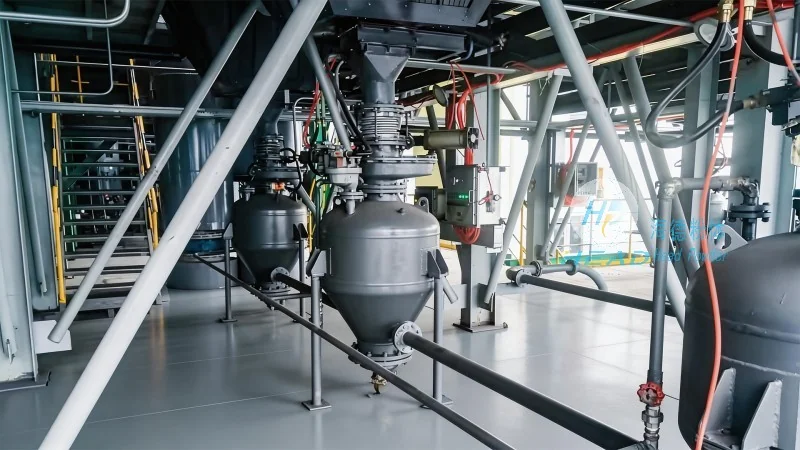
Introduction to Magnesium Oxide Pneumatic Conveying
Magnesium oxide (MgO), also known as magnesia, is a widely used industrial material in sectors such as construction, chemical manufacturing, and pharmaceuticals. The effective transportation of MgO from storage to processing units or packaging areas requires specialized equipment capable of handling fine powders with precision. Pneumatic conveying systems offer a solution by utilizing air pressure to move materials through a pipeline network, eliminating the need for mechanical components like belts or buckets that may cause contamination or material degradation.
The Working Principle of Pneumatic Conveying Systems
The core principle of pneumatic conveying for magnesium oxide involves the creation of a flow of air within a closed pipeline system. This air flow, generated by a blower or compressor, carries the MgO particles through the pipeline. There are two primary types of pneumatic conveying: dilute phase and dense phase. Dilute phase systems operate at higher air velocities, suitable for long-distance or high-volume transport, while dense phase systems use lower velocities and higher pressure to move material more gently, reducing the risk of particle degradation or pipeline blockages.
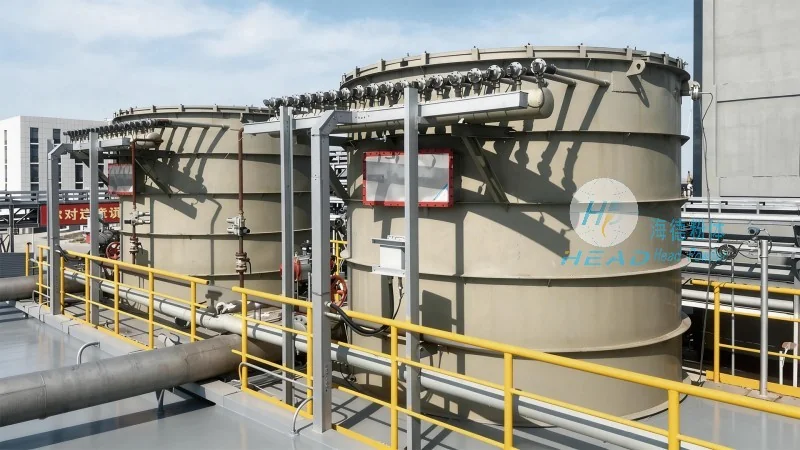
In the case of magnesium oxide, the choice of system depends on the particle size, moisture content, and the distance between the source and destination. For fine MgO powders, a dilute phase system with positive pressure is often preferred, as it ensures consistent flow and prevents clogging. The system typically includes a hopper for material storage, a feeder to control the discharge rate, a blower to generate the air flow, and a pipeline network that transports the material to the receiving hopper or processing equipment.
Key Working Scene Characteristics
The working scene characteristics of magnesium oxide pneumatic conveying machines are tailored to meet the demands of specific industrial environments. These characteristics include:
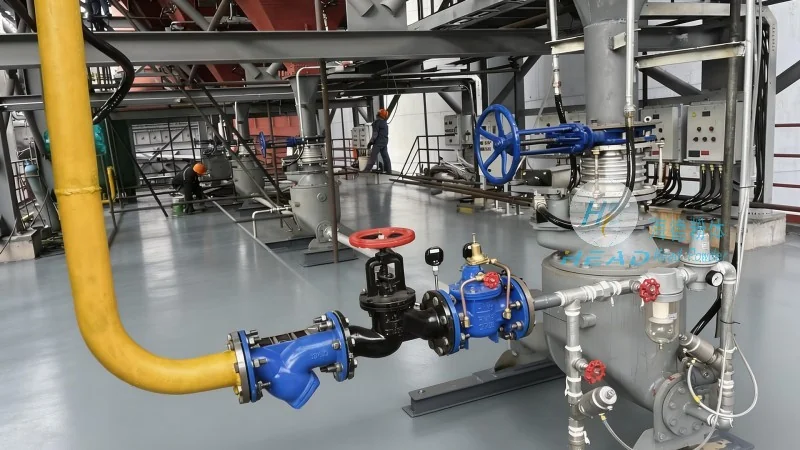
- Efficient Material Handling: The system enables continuous and automated transport of MgO, reducing manual labor and minimizing the risk of material spillage or contamination.
- Low Maintenance Requirements: Compared to mechanical conveying systems, pneumatic conveyors have fewer moving parts, leading to lower maintenance costs and longer operational lifespans.
- Hygienic and Clean Operation: The enclosed pipeline design prevents dust exposure and contamination, making it suitable for applications where material purity is critical, such as in pharmaceutical or food processing industries.
- Adaptability to Different Scenarios: The flexibility of pneumatic conveying allows for integration into existing production lines or new setups, accommodating changes in production volume or material types.
Application Scenarios and Industrial Use Cases
Magnesium oxide pneumatic conveying machines are widely used in various industrial scenarios, including:
- Construction Materials Manufacturing: In the production of cement, concrete additives, and other building materials, MgO is often mixed with other components. Pneumatic conveyors ensure precise and consistent addition of MgO, improving the quality and uniformity of the final product.
- Chemical Processing: In chemical plants, MgO is used as a filler or catalyst. The ability to transport fine powders efficiently and hygienically is essential for maintaining product quality and safety standards.
- Pharmaceutical and Food Industries: For applications requiring high-purity MgO, such as in the production of dietary supplements or food additives, the clean and enclosed nature of pneumatic conveying systems ensures compliance with regulatory standards.
- Environmental and Waste Management: In facilities dealing with industrial waste or recycling processes, pneumatic conveyors can be used to transport MgO or other materials for treatment or reuse, contributing to sustainable operations.
Advantages in Specific Working Environments
When deployed in specific working environments, magnesium oxide pneumatic conveying machines offer distinct advantages that enhance operational performance. For example, in high-temperature or hazardous environments, the enclosed system prevents exposure to dust and fumes, ensuring worker safety. In facilities with limited space, the compact design of pneumatic conveyors allows for efficient use of available area without compromising transport capacity.
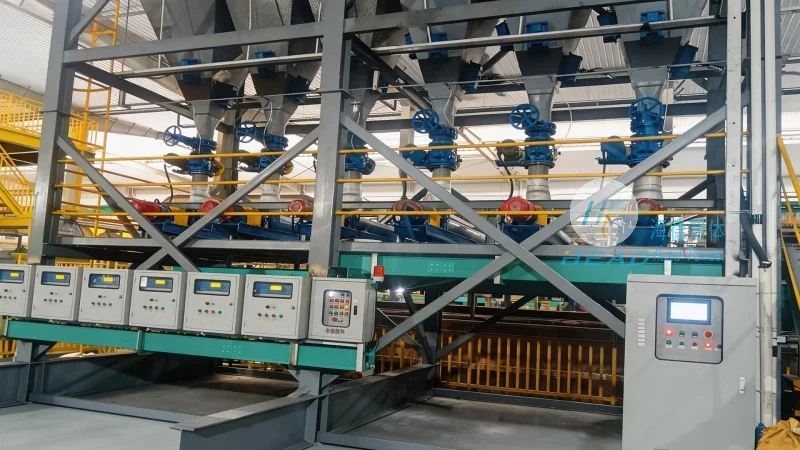
Moreover, the ability to adjust air pressure and flow rates provides flexibility in handling different particle sizes and moisture levels of MgO. This adaptability is particularly valuable in dynamic production settings where material properties may vary. The system's reliability also contributes to reduced downtime, as it minimizes the risk of material blockages or system failures that can occur with traditional mechanical conveying methods.
Conclusion
Magnesium oxide pneumatic conveying machines represent a sophisticated solution for the efficient and reliable transport of fine powders in industrial applications. By leveraging the principles of air pressure and enclosed pipeline systems, these machines enhance operational efficiency, reduce maintenance costs, and ensure material purity across various working scenes. As industries continue to demand higher standards of productivity and quality, the application of such specialized equipment becomes increasingly critical for maintaining competitiveness and meeting regulatory requirements.




