Principle and Working Scene Characteristics of Adipic Acid Pneumatic Conveying Equipment
Release time:2026-09-18 23:01:30
name of the company:Shandong Headpowder Engineering Co., Ltd.
telephone:156-6277-7102
contacts:Zhang manager
Adipic acid, a critical raw material widely used in the production of nylon and other polymers, demands efficient and reliable material handling solutions for industrial applications. The pneumatic conveying system designed for adipic acid, as offered by Shandong HeadPowder Engineering Co., Ltd., represents a sophisticated and effective method for transporting this chemical safely and efficiently. This article delves into the fundamental principles of such systems and highlights the specific working scene characteristics that make them well-suited for adipic acid processing environments.
The Principle of Pneumatic Conveying for Adipic Acid
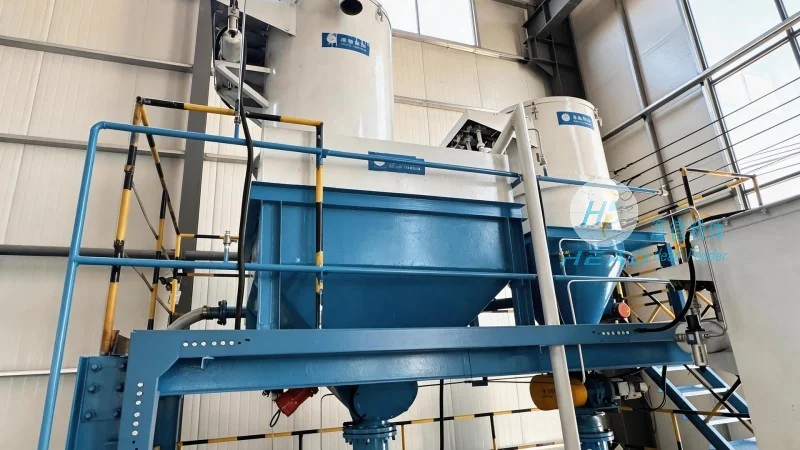
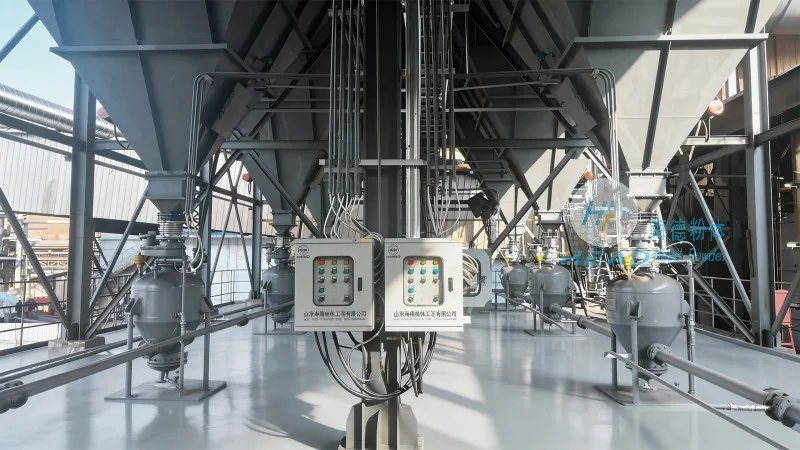
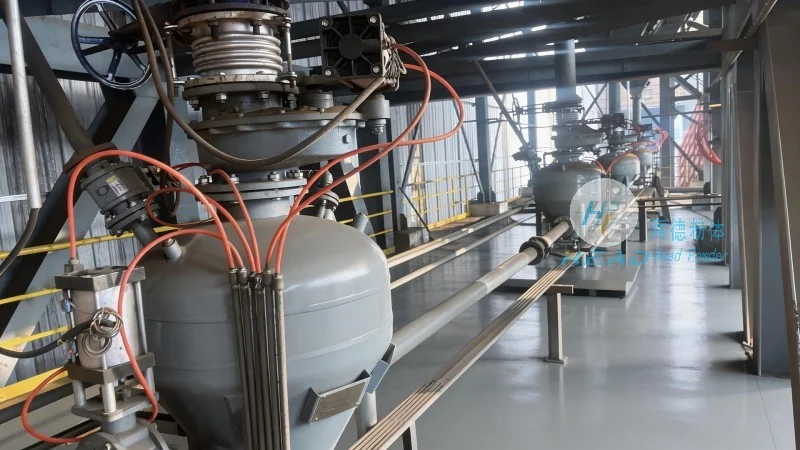
Pneumatic conveying systems operate on the principle of utilizing compressed air or other gases to transport solid materials like adipic acid through a pipeline. Two primary types of pneumatic conveying are commonly employed: dilute-phase and dense-phase. For adipic acid, dilute-phase systems are often preferred due to their ability to handle fine particles and long-distance transport with minimal pressure drop. The system typically consists of several key components: a hopper for material storage, a rotary airlock to regulate the flow rate, a venturi or pressure drop device to accelerate the material, and a receiver for collection. Compressed air is introduced at the inlet, creating a low-pressure zone that draws the adipic acid particles into the air stream. This process ensures a consistent flow rate and minimizes the risk of material degradation or caking, which can occur with traditional mechanical conveyors.
Working Scene Characteristics of Adipic Acid Pneumatic Conveying
The working scene characteristics of adipic acid pneumatic conveying systems are tailored to the specific demands of industrial processing environments. These systems are engineered to handle the unique properties of adipic acid, including its fine particle size, hygroscopic nature, and potential for dust generation. The equipment is constructed from corrosion-resistant materials, such as stainless steel or specialized coatings, to ensure durability and maintain product purity. Additionally, the system incorporates dust collection and filtration components to comply with environmental regulations and ensure workplace safety. The compact design allows for seamless integration into existing production lines, reducing space requirements and installation costs. The ability to transport adipic acid over extended distances without the need for multiple transfer points enhances operational efficiency and minimizes downtime.




