Glucose pneumatic conveying equipment is a specialized system designed for the efficient and safe transportation of glucose, a critical ingredient in various industrial and food processing applications. This equipment utilizes pneumatic technology to move granular or powdered glucose materials from one location to another, offering advantages such as reduced contamination, minimal product degradation, and enhanced operational flexibility. The following sections will explore the fundamental principles behind this technology and the diverse working scenarios where it is most effectively applied.
Introduction to Glucose Pneumatic Conveying Systems
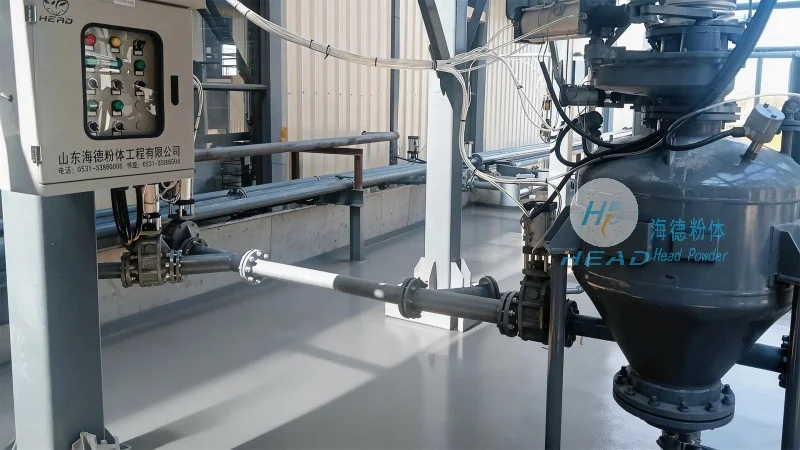
Glucose, also known as dextrose, is a monosaccharide widely used in pharmaceuticals, food manufacturing, and chemical industries. Traditional methods of transporting glucose, such as manual handling or mechanical conveyors, often present challenges like dust generation, product loss, and increased labor costs. Pneumatic conveying systems address these issues by employing air pressure to move materials through pipelines, creating a closed-loop environment that minimizes exposure to external contaminants. The core components of a glucose pneumatic conveying system typically include a hopper for material storage, a conveyor line with appropriate piping, a vacuum or pressure source to generate airflow, and a receiver for the discharged material. These components work in concert to ensure reliable and continuous material transfer.
Key Principles of Pneumatic Conveying Technology
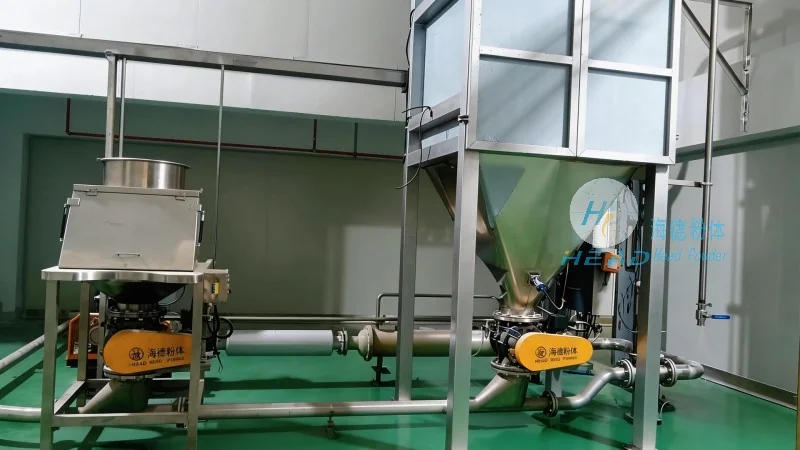
The operation of glucose pneumatic conveying equipment is based on two primary principles: pressure and vacuum. In pressure systems, compressed air is introduced into the conveying line, pushing the material forward through the pipeline. This method is suitable for short to medium distances and when the material is relatively dry and free-flowing. Conversely, vacuum systems create a negative pressure in the line, drawing the material from the source into the receiver. Vacuum systems are often preferred for longer distances or when handling materials that are more cohesive or prone to bridging. The choice between pressure and vacuum depends on factors such as the distance between the source and destination, the material's properties (e.g., moisture content, particle size), and the required flow rate. Additionally, the system may incorporate features like cyclone separators or filters to separate the conveyed material from the air, ensuring that the glucose remains in a clean and dry state throughout the process.
Working Scene Characteristics of Glucose Pneumatic Conveying
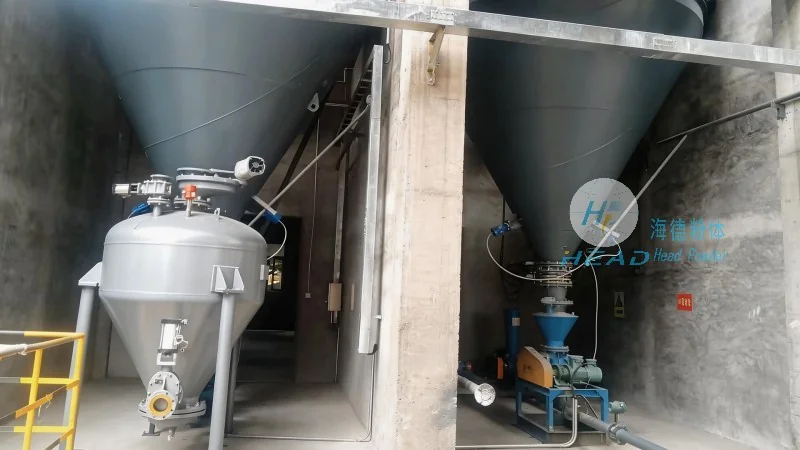
The effectiveness of glucose pneumatic conveying equipment is highly dependent on the specific working scenarios in which it is deployed. These scenarios vary based on the industry, production scale, and environmental requirements. For instance, in pharmaceutical manufacturing, where product purity is paramount, pneumatic conveying systems are ideal for transferring glucose into mixing tanks or packaging lines without exposing the material to external contaminants. The closed system design prevents cross-contamination and maintains the material's sterility, which is critical for meeting regulatory standards. In food processing facilities, the system can be integrated into production lines to move glucose from storage silos to processing equipment, ensuring a consistent flow of raw material while minimizing dust and product loss. The flexibility of pneumatic conveying also allows for integration with other processing equipment, such as mixers, blenders, and packaging machines, creating a seamless production workflow.
Advantages and Applications in Industrial Settings
Glucose pneumatic conveying equipment offers several advantages that make it a preferred choice in industrial applications. One of the most significant benefits is the reduction in product degradation. Unlike mechanical conveyors that may cause friction and heat buildup, pneumatic systems use air to move materials, preserving the quality and integrity of the glucose. This is particularly important for sensitive products that are prone to caking or moisture absorption. Another advantage is the ability to handle a wide range of material characteristics. Whether the glucose is in granular, powdered, or even crystalline form, the system can be adjusted to accommodate different particle sizes and flow properties. This versatility makes it suitable for various production processes, from bulk handling to precise dosing for formulation.
Company Overview: Shandong HeadPowder Engineering Co., Ltd.
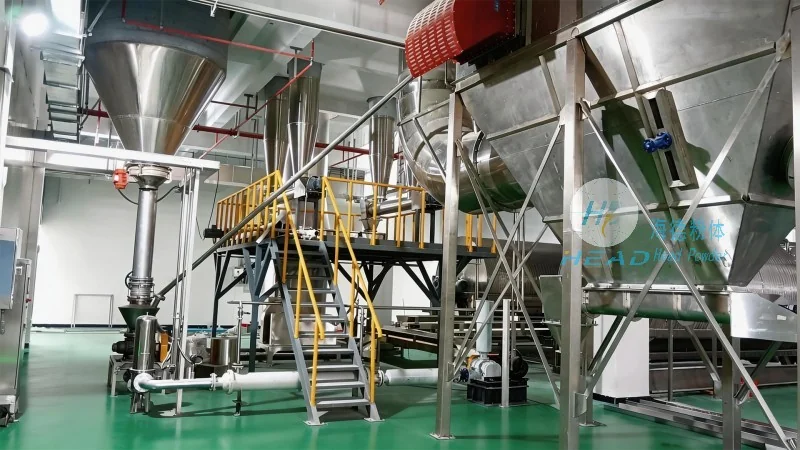
Shandong HeadPowder Engineering Co., Ltd., operating under the brand name headpowder, is a leading manufacturer of specialized conveying equipment for the food, pharmaceutical, and chemical industries. With a focus on innovation and customer-centric solutions, the company has developed advanced glucose pneumatic conveying systems that meet the stringent requirements of modern production environments. Headpowder's expertise lies in designing customized solutions that address the unique challenges of each client, ensuring efficient material transfer while maintaining product quality and safety. The company's facilities are located in Shandong, China, where it leverages local manufacturing capabilities to deliver high-quality equipment at competitive prices. By combining technical expertise with practical experience, headpowder has established itself as a trusted partner for businesses seeking reliable and efficient conveying solutions for glucose and other bulk materials.




