Carboxymethyl cellulose (CMC) is a widely used anionic cellulose ether, renowned for its excellent water solubility, thickening, and stabilizing properties. In industrial applications, the efficient and reliable transport of CMC powder is crucial for maintaining production efficiency and product quality. This article explores the fundamental principles behind CMC powder handling and highlights key application scenarios where specialized transport solutions are essential.
Understanding the Core Principles of CMC Powder Transport
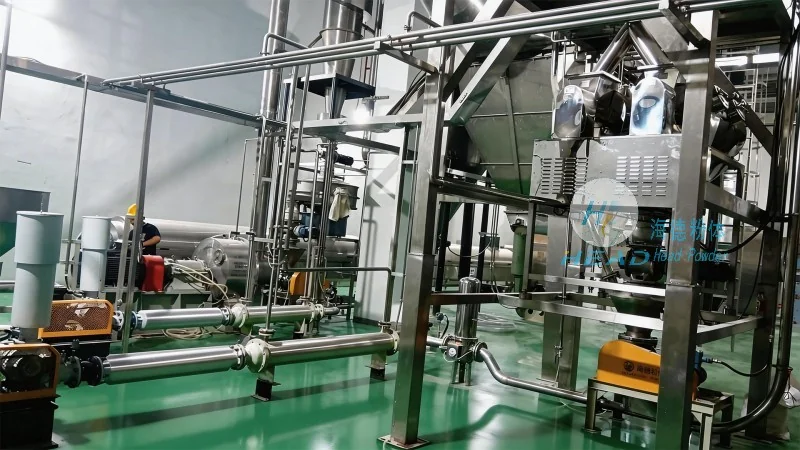
The transport of carboxymethyl cellulose powder involves several critical principles that ensure safe and efficient material movement. First, the material's hygroscopic nature requires careful control of moisture and humidity during handling to prevent clumping or caking. Proper moisture management is essential to maintain the powder's flowability and prevent blockages in transport systems. Second, the use of appropriate equipment, such as pneumatic conveyors or screw feeders, is vital to handle the material's cohesive properties without causing excessive wear or degradation. These systems are designed to minimize particle breakage and preserve the powder's integrity, which is critical for downstream processing steps.
Another key principle is the importance of maintaining consistent particle size distribution. CMC powders are often used in applications where uniform particle size is required, such as in pharmaceuticals or food additives. Inadequate transport methods can lead to segregation or agglomeration, affecting the final product's performance. Therefore, transport systems must be designed to prevent material separation and ensure a homogeneous flow of powder. This is achieved through the use of specialized hoppers, feeders, and conveying mechanisms that minimize turbulence and maintain particle uniformity throughout the process.
Key Application Scenarios for CMC Powder Transport Solutions
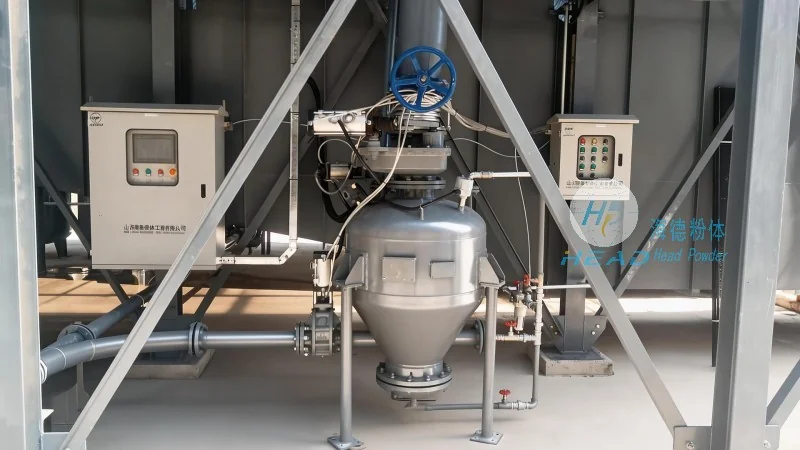
HeadPowder, a leading provider of powder handling solutions, offers tailored transport systems for various industries that utilize carboxymethyl cellulose. One prominent application is in the pharmaceutical sector, where CMC is used as a binder or disintegrant in tablet formulations. The transport of CMC powder to mixing and granulation equipment must be precise and contamination-free to meet stringent regulatory standards. HeadPowder's solutions, including enclosed pneumatic conveyors and loss-in-weight feeders, ensure that the powder is delivered under controlled conditions, preventing cross-contamination and maintaining product purity.
In the food and beverage industry, CMC is commonly used as a thickener and stabilizer in products like sauces, dressings, and dairy alternatives. The transport of CMC powder to production lines requires systems that can handle varying flow rates and maintain product safety. HeadPowder's equipment, such as rotary valves and rotary airlocks, provides reliable and hygienic powder transfer, ensuring that the material remains free from moisture and contaminants. These solutions are designed to meet the hygiene standards of the food industry, with easy-to-clean components and minimal dead zones where product can accumulate.
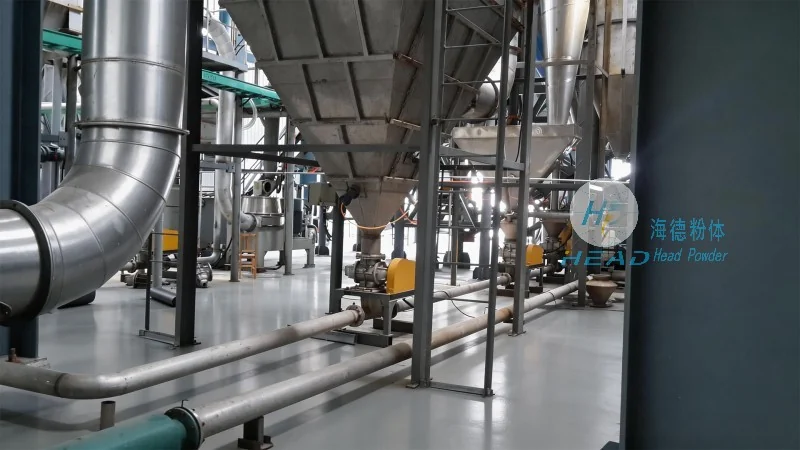
Additionally, the construction and chemical industries utilize CMC in applications like concrete additives and water treatment. The transport of CMC powder to these sectors often involves bulk handling and long-distance conveying. HeadPowder's bulk material handling systems, including belt conveyors and screw conveyors, are engineered to handle large volumes of powder efficiently. These systems are equipped with features like variable speed drives and material flow sensors to optimize transport efficiency and prevent system downtime. The robust design of these conveyors ensures that CMC powder is transported safely over extended distances without degradation or loss of quality.
Advantages of Specialized CMC Powder Transport Systems
Implementing specialized transport systems for carboxymethyl cellulose powder offers several advantages that enhance operational efficiency and product quality. First, enclosed conveying systems reduce dust emissions and improve workplace safety by containing the material within a sealed environment. This is particularly important in industries where dust can pose health risks or interfere with downstream processes. The use of positive pressure or negative pressure systems further minimizes the risk of dust leakage, ensuring compliance with environmental regulations.
Second, precise control of flow rates is critical for maintaining consistent product quality. HeadPowder's loss-in-weight feeders and gravimetric scales provide accurate and repeatable feeding rates, which is essential for applications where the exact amount of CMC is required. This precision helps in achieving uniform product characteristics and reduces waste by minimizing overfeeding or underfeeding. The integration of these systems with process control software allows for real-time monitoring and adjustment, ensuring optimal performance.
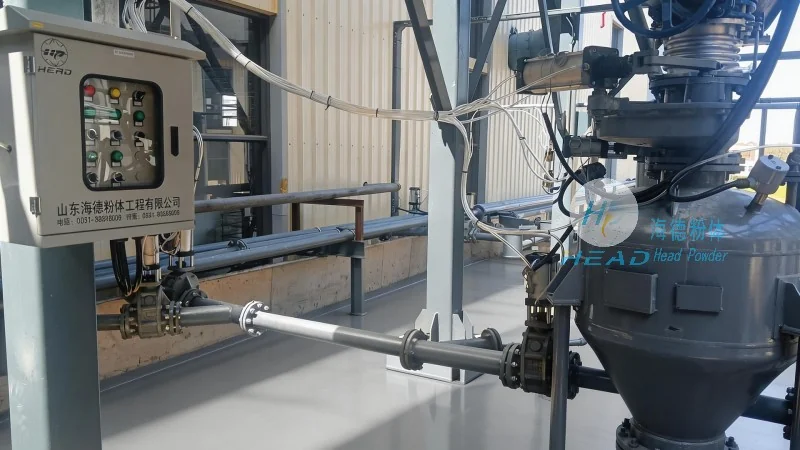
Third, the durability and reliability of specialized transport equipment contribute to lower maintenance costs and increased uptime. CMC powders can be abrasive, and conventional conveyors may experience premature wear. HeadPowder's equipment is designed with wear-resistant materials and components, such as stainless steel and special coatings, to withstand the abrasive nature of the material. This reduces the frequency of maintenance and extends the lifespan of the transport system, leading to long-term cost savings for industrial operations.
Conclusion
The efficient transport of carboxymethyl cellulose powder is a critical aspect of industrial operations, requiring specialized systems that address the material's unique properties. HeadPowder, with its expertise in powder handling, provides tailored solutions that ensure safe, reliable, and high-quality transport of CMC powder across various industries. By adhering to the principles of moisture control, particle integrity, and consistent flow, these systems enhance production efficiency and product quality, making them indispensable in modern manufacturing processes.




