For industrial applications involving the handling of powders and bulk materials, efficient and reliable transport systems are crucial. Negative pressure vacuum powder transport technology offers a solution that addresses the challenges of material transfer, particularly in environments where dust control and precise dosing are required. This article provides an overview of the negative pressure vacuum powder transport system, detailing its structural components and operational principles.
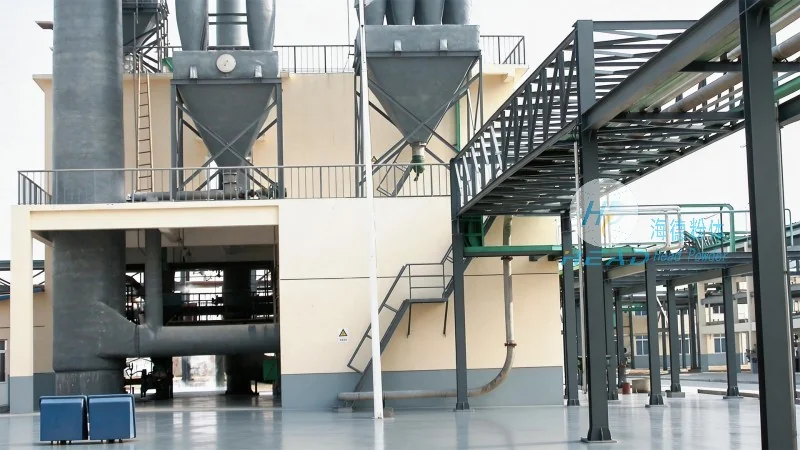
Overview of Negative Pressure Vacuum Powder Transport
The negative pressure vacuum powder transport system is designed to move dry powders and granular materials from a source to a destination using a vacuum environment. By creating a pressure differential, the system draws the material through a pipeline under controlled conditions. This method is particularly advantageous in industries such as pharmaceuticals, food processing, and chemical manufacturing, where maintaining product integrity and minimizing contamination is paramount.
Key Structural Components of the System
The negative pressure vacuum powder transport system comprises several essential components that work in tandem to achieve efficient material transfer. These components include the vacuum pump, transport pipeline, material feed hopper, and control valves. Each component plays a critical role in the overall operation of the system.
1. Vacuum Pump
The vacuum pump is the heart of the negative pressure system, responsible for creating the necessary vacuum within the pipeline. It generates a pressure lower than atmospheric pressure, which draws the powder material from the source into the transport line. The choice of vacuum pump depends on factors such as the material's properties, the required flow rate, and the system's overall capacity. Common types of vacuum pumps used in this application include rotary vane pumps and roots blowers, which are selected based on their efficiency and ability to handle particulate matter.
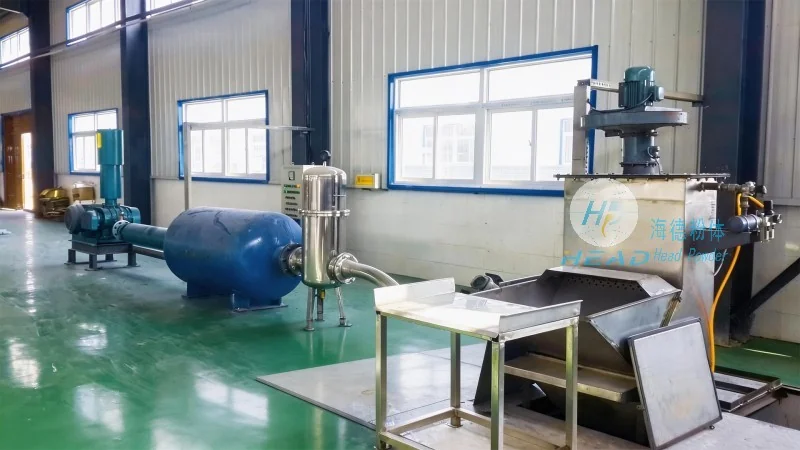
2. Transport Pipeline
The transport pipeline is a flexible or rigid tube that conveys the powder material from the feed point to the discharge point. The material is carried within the pipeline as a suspension, typically mixed with a carrier gas or air to maintain flow. The pipeline is designed to withstand the pressure differential and the abrasive nature of the powder, ensuring long-term durability. In many systems, the pipeline may include bends, elbows, and other fittings that are carefully engineered to minimize pressure losses and prevent material buildup.
3. Material Feed Hopper
The material feed hopper is the container where the bulk powder is stored before being transferred. It is equipped with a discharge valve or feeder that controls the flow rate of the material into the pipeline. The hopper is designed to maintain a consistent level of material, preventing overfilling or underfilling, which could affect the system's performance. In some designs, the hopper may include a pre-drying or conditioning section to improve material flow characteristics and reduce blockages.
4. Control Valves and Sensors
Control valves and sensors are integral to the system's operation, allowing for precise regulation of the material flow and vacuum level. These components enable operators to adjust the system parameters in real-time, ensuring optimal performance and preventing issues such as overpressure or material clogging. Sensors may include pressure transducers, flow meters, and level detectors, which provide feedback to the control system and help maintain stable operation.
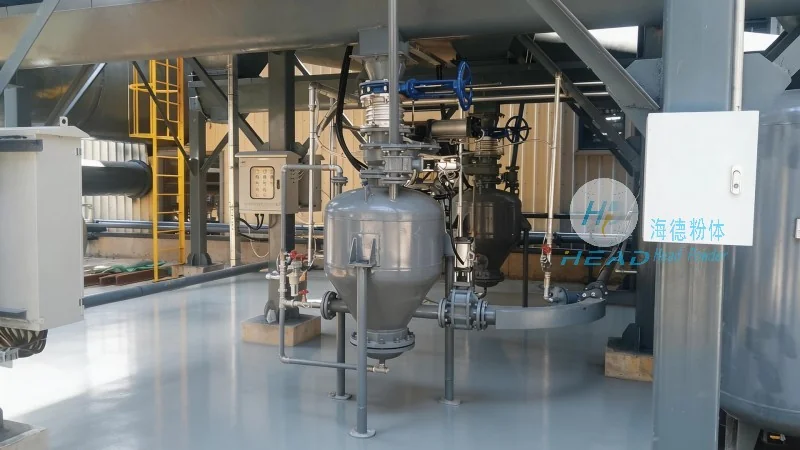
Operational Principles of Negative Pressure Vacuum Transport
The operational principle of the negative pressure vacuum powder transport system is based on the creation of a pressure gradient. The vacuum pump reduces the pressure in the pipeline, creating a suction effect that draws the powder material from the feed hopper into the system. As the material is drawn through the pipeline, it is mixed with the carrier gas, forming a slurry that is transported to the discharge point. At the destination, the material is separated from the gas, often through a cyclone or filter, and collected in a storage bin or processing unit.
Advantages of Negative Pressure Vacuum Transport
Compared to positive pressure systems, negative pressure vacuum transport offers several advantages. One of the key benefits is the reduced risk of dust emission, as the system operates under a vacuum, preventing material from escaping the pipeline. This makes it suitable for applications where environmental compliance and worker safety are critical. Additionally, the system allows for precise control over the material flow rate, enabling accurate dosing and reducing waste. The low operating pressure also minimizes the risk of material degradation and equipment wear, leading to longer service life and lower maintenance costs.
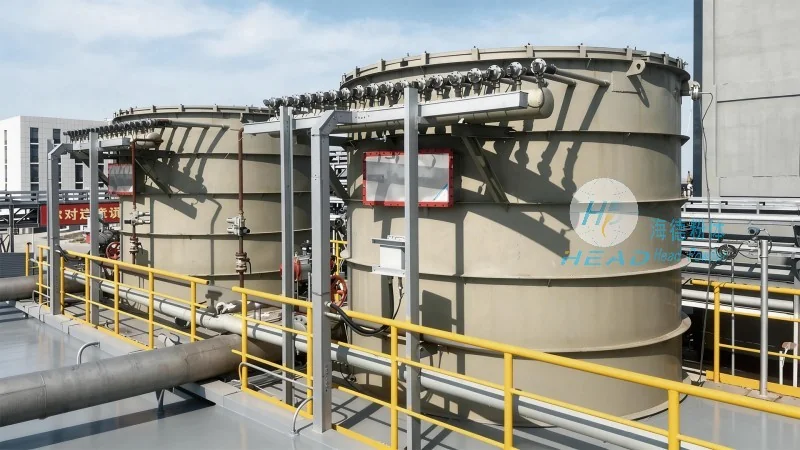
Applications in Industrial Settings
The negative pressure vacuum powder transport system is widely used in various industrial sectors. In the pharmaceutical industry, it is employed to transport active pharmaceutical ingredients (APIs) and excipients with high purity requirements, ensuring that the material remains uncontaminated during transfer. In the food processing industry, the system is used to handle powders such as flour, sugar, and spices, maintaining product quality and preventing cross-contamination. In the chemical manufacturing sector, it facilitates the transfer of bulk chemicals, including powders and granules, while adhering to safety and environmental regulations.
Maintenance and Safety Considerations
Proper maintenance and safety measures are essential for the reliable operation of the negative pressure vacuum powder transport system. Regular inspection of the vacuum pump, pipeline, and valves is necessary to detect and address any potential issues before they escalate. The system should be equipped with safety features such as pressure relief valves and emergency shut-off mechanisms to prevent accidents. Additionally, operators should be trained on the proper handling of powders and the operation of the system to ensure safe and efficient performance.
Conclusion
Negative pressure vacuum powder transport technology provides an effective solution for the efficient and safe handling of bulk materials. By understanding the structural components and operational principles of the system, industries can optimize their material transfer processes, improve product quality, and enhance operational efficiency. As a leading provider in this field, Shandong HeadPowder Engineering Co., Ltd. specializes in designing and manufacturing high-quality negative pressure vacuum transport systems tailored to the specific needs of various industrial applications.




