HeadPowder, a leading engineering company based in Shandong, China, specializes in the design and manufacturing of advanced pneumatic conveying systems for sulfur powder. This article delves into the fundamental principles of these systems and highlights the key working scenarios where they are applied, providing a comprehensive overview for industry professionals.
About HeadPowder Engineering Co., Ltd.
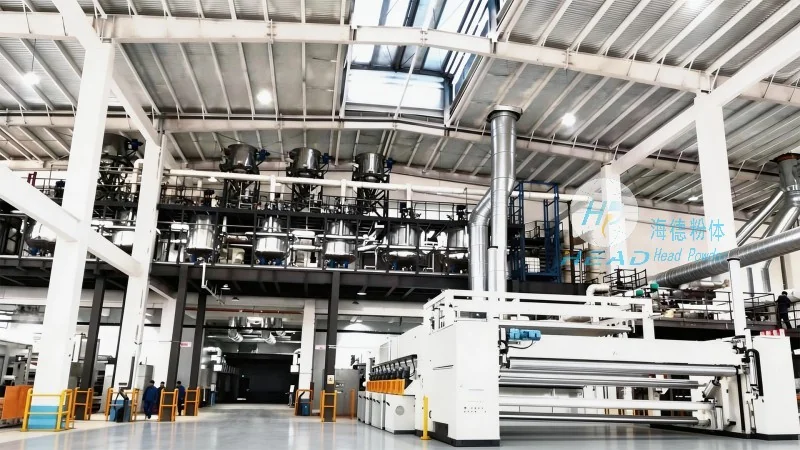
HeadPowder is a professional enterprise dedicated to providing high-quality pneumatic conveying solutions. With a strong presence in Shandong, China, the company leverages years of expertise to develop efficient and reliable equipment for handling sulfur powder in various industrial applications.
The Principle of Pneumatic Conveying for Sulfur Powder
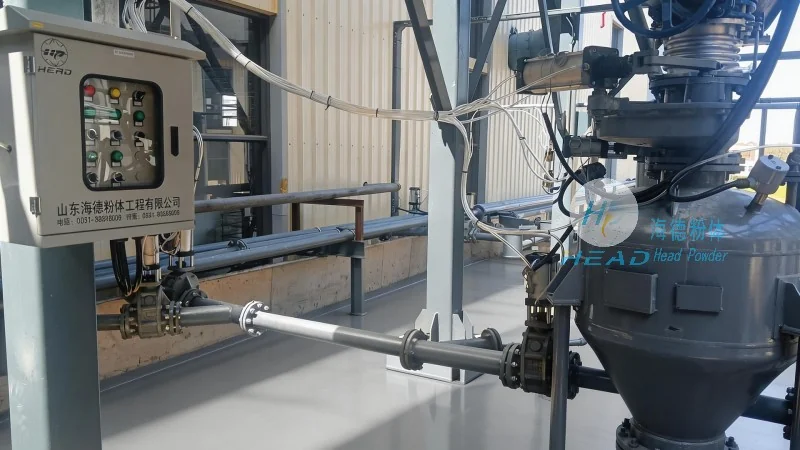
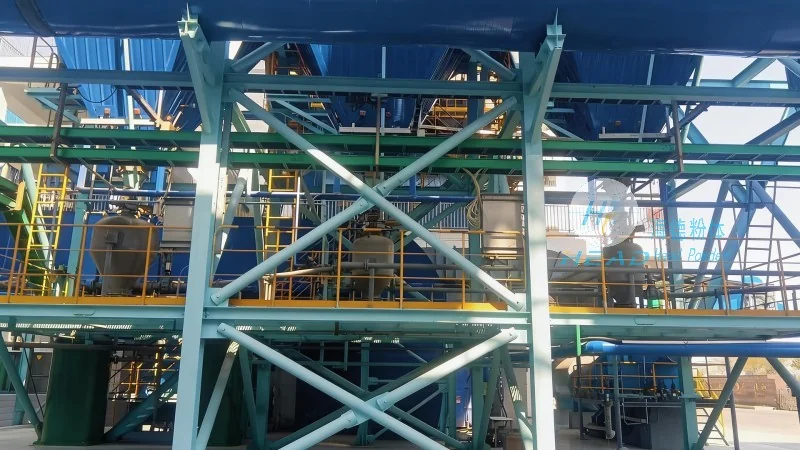
Pneumatic conveying systems utilize air or gas to transport bulk materials like sulfur powder through a pipeline network. The core mechanism involves creating a pressure differential between the conveying line and the material source, which draws the powder into the system. There are two primary types of pneumatic conveying: pressure and vacuum systems. Pressure systems operate by blowing air or gas into the pipeline under pressure, while vacuum systems use a vacuum pump to create a negative pressure that pulls material from the source. For sulfur powder, which is often fine and can be prone to dusting, a well-designed system must ensure efficient particle suspension and minimize material degradation. The system typically consists of a material feed hopper, a rotary valve for controlled material discharge, a conveying line with appropriate diameter and length, and a dust collector or filter to capture any airborne particles. The air or gas is supplied by a blower or compressor, which generates the necessary pressure or vacuum. For sulfur powder, which is often fine and can be prone to agglomeration, the system may include a pre-drying or conditioning step to improve flowability. The choice between pressure and vacuum systems depends on the distance to be covered, the material characteristics, and the desired flow rate. Pressure systems are generally more suitable for longer distances and higher flow rates, while vacuum systems are better for shorter distances or when the material source is at a higher elevation.
Key Working Scene Characteristics of Sulfur Powder Pneumatic Conveying
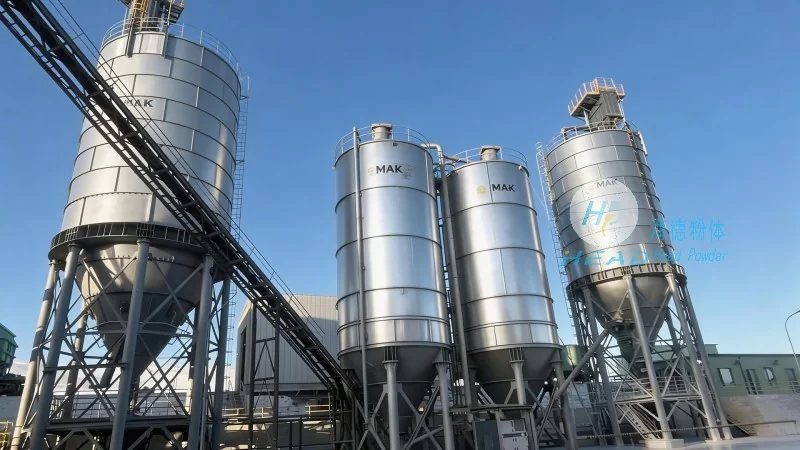
The application of sulfur powder pneumatic conveying equipment varies across different industrial settings, each with unique requirements that influence system design and performance. One common scenario is in the production of sulfuric acid, where large quantities of sulfur are processed and transported from storage to reaction units. In this context, the system must handle high flow rates and maintain consistent material quality to ensure smooth production. Another important application is in the chemical and petrochemical industries, where sulfur is used as a raw material for various products. Here, the equipment needs to be robust enough to handle abrasive or corrosive conditions, often encountered with sulfur compounds. Additionally, in mining and processing facilities, sulfur is extracted from ores and requires efficient transport to processing plants. The working environment in such settings may involve dust, moisture, or temperature variations, which the pneumatic conveying system must be capable of withstanding. Each of these scenarios demands a tailored approach to system design, considering factors such as material properties, flow rates, and environmental conditions to achieve optimal performance. The system's efficiency and reliability are critical in these applications, as any downtime or material loss can impact production costs and safety. HeadPowder's expertise in customizing pneumatic conveying solutions ensures that clients receive equipment optimized for their specific sulfur powder handling needs, whether for short or long-term industrial operations.




