Plugging-type pneumatic conveying is a specialized method for transporting bulk materials using air as the conveying medium. This technology operates by creating a plug of material within a pipeline, which is then propelled forward by differential pressure. The principle involves the generation of a solid plug that moves as a single unit, ensuring efficient and controlled material transfer. Unlike traditional pneumatic conveying systems, plugging-type systems are particularly effective for handling fine or abrasive powders, where maintaining product integrity is critical.
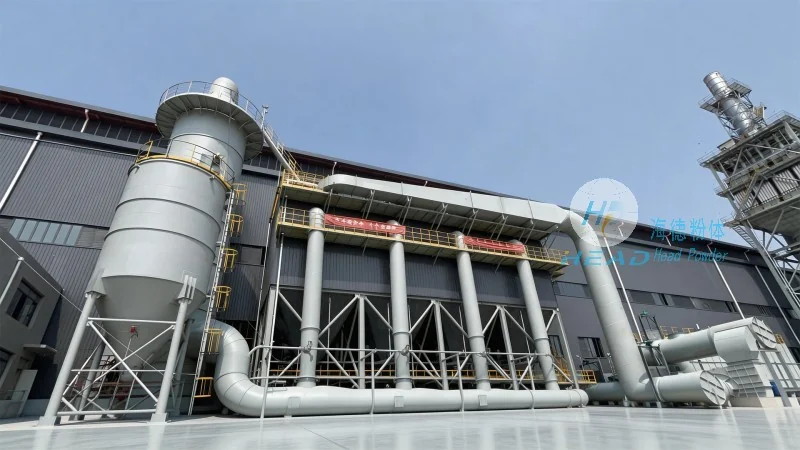
Core Principle of Plugging-Type Pneumatic Conveying
The fundamental mechanism of plugging-type pneumatic conveying relies on the formation of a material plug within the conveying pipeline. This plug is created by injecting a controlled amount of air or gas into the pipeline, which causes the bulk material to aggregate and form a dense, cohesive column. The plug then moves through the system under the influence of pressure differences between the inlet and outlet. The key to this process is the balance between the air flow rate and the material feed rate, ensuring that the plug remains stable and moves without breaking apart. This method is particularly advantageous for materials that are prone to segregation or degradation during transport, as the plug formation minimizes exposure to air and reduces frictional wear.
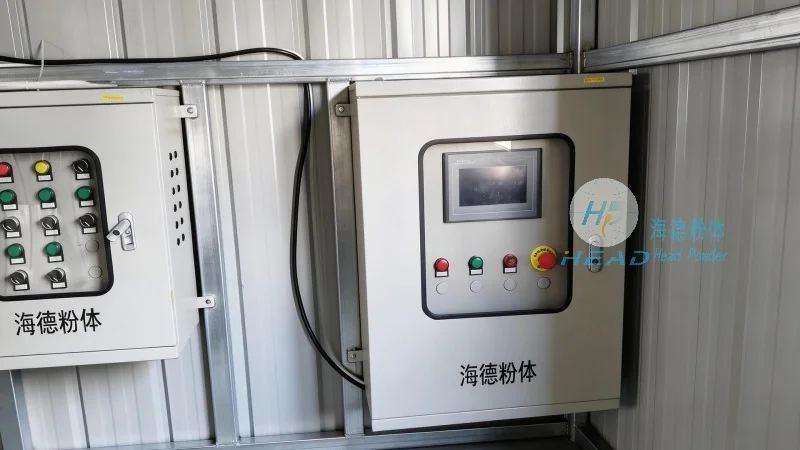
Key Working Scenario Characteristics
Plugging-type pneumatic conveying is widely applied in various industrial sectors, each with distinct requirements that the technology addresses effectively. In the chemical industry, for example, it is used to transport reactive powders and chemicals that require precise control over temperature and moisture levels. The system's ability to maintain a closed environment reduces the risk of contamination and ensures compliance with safety regulations. In the food and pharmaceutical sectors, plugging-type conveying is essential for handling sensitive products, such as powders used in food processing or active pharmaceutical ingredients (APIs). The technology's low shear and minimal particle breakage make it ideal for preserving product quality and meeting stringent hygiene standards.
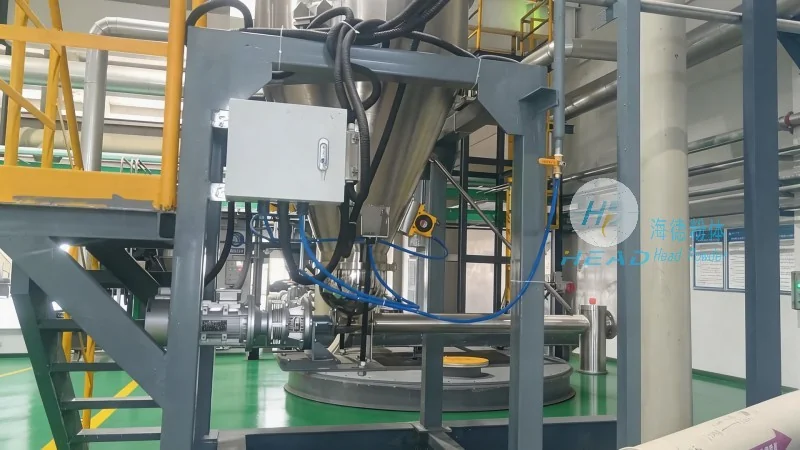
Advantages in Material Handling
One of the primary advantages of plugging-type pneumatic conveying is its ability to handle a wide range of materials, including fine powders, granules, and even sticky or cohesive substances. Unlike other conveying methods, such as screw conveyors or belt conveyors, this system minimizes product degradation and reduces the need for additional processing steps. The low wear on the pipeline and components also contributes to lower maintenance costs and longer operational life. Additionally, the system is energy-efficient, as it uses less air pressure compared to other pneumatic conveying techniques, making it a cost-effective solution for bulk material transport.
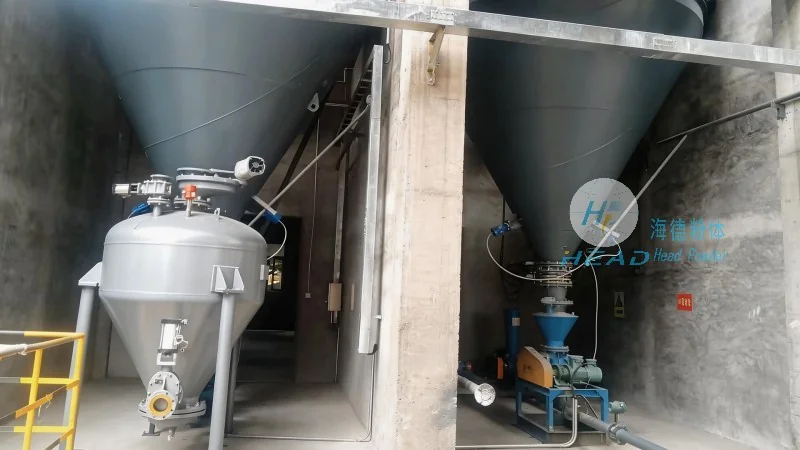
Application Examples and Industry Impact
Real-world applications of plugging-type pneumatic conveying can be seen in facilities operated by Shandong HeadPowder Engineering Co., Ltd., a company based in Shandong, China. The company specializes in providing customized conveying solutions tailored to the unique needs of various industries. For instance, in a chemical plant, the system was implemented to transport a fine, abrasive powder used in the production of fertilizers. The plugging-type design ensured that the powder remained intact and free from contamination, leading to improved product quality and reduced downtime. Similarly, in a food processing facility, the technology was used to convey a sensitive powder ingredient, maintaining its freshness and preventing any loss of nutritional value.




