Shandong HeadPowder Engineering Co., Ltd., commonly known as HeadPowder, specializes in the design, manufacturing, and supply of advanced pneumatic conveying equipment tailored for the efficient handling of bulk materials such as sawdust and husks. With a strong focus on precision engineering and operational reliability, our company has established itself as a leading provider in the industry, delivering solutions that meet the diverse needs of clients across various sectors.
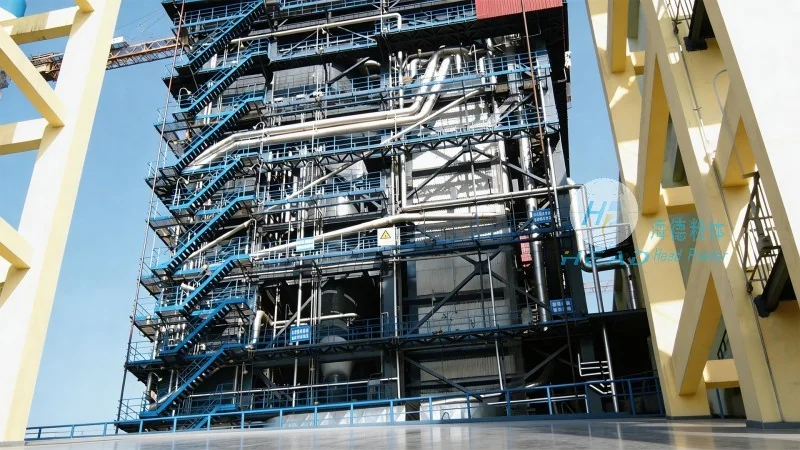
Understanding Pneumatic Conveying Technology
Pneumatic conveying, or air-based material transport, is a method that utilizes compressed air to move bulk materials through a pipeline system. This technology offers numerous advantages over traditional mechanical conveying methods, including reduced equipment wear, lower maintenance costs, and the ability to handle materials with high moisture content or abrasive properties. The core components of a pneumatic conveying system typically include a material feed hopper, a compressor or air supply unit, a conveying pipeline, and a discharge unit. Each component plays a critical role in ensuring the smooth and efficient operation of the system.
Key Components and Their Functions
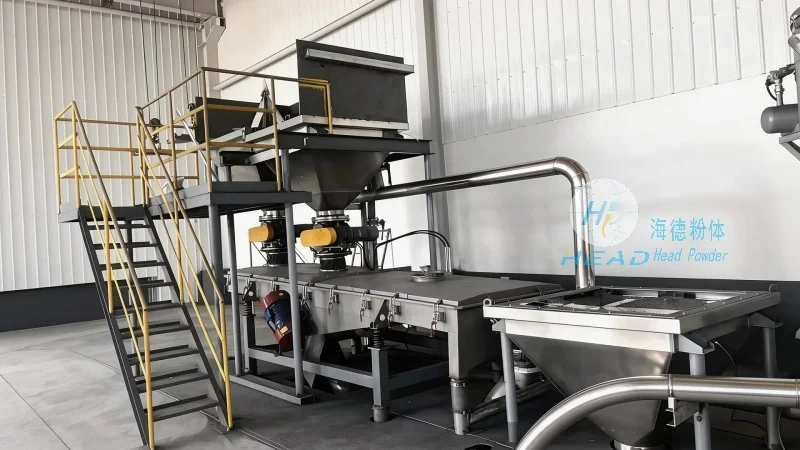
For sawdust and husk applications, the pneumatic conveying equipment from HeadPowder incorporates several key components that work in harmony to achieve optimal performance. The material feed hopper is designed to store and meter the bulk material, ensuring a consistent flow into the system. This hopper is equipped with a feeding mechanism, such as a rotary valve or a screw feeder, which controls the amount of material entering the pipeline. The compressor or air supply unit generates the necessary pressure to move the material through the pipeline. In many systems, a filter or separator is included to remove any debris or dust from the air stream, maintaining air quality and preventing equipment damage. The conveying pipeline is typically made of durable materials like stainless steel or plastic, chosen for their resistance to corrosion and wear from the abrasive materials being transported. Finally, the discharge unit, often a rotary valve or a pressure vessel, collects the material at the end of the pipeline, allowing for controlled discharge into the target container or processing area.
Operation Process of Sawdust and Husk Pneumatic Conveying
The operation of our pneumatic conveying equipment for sawdust and husks follows a systematic process that ensures efficient material transport. The process begins with the loading of the bulk material into the feed hopper. The feeding mechanism then meters the material into the pipeline at a controlled rate. Simultaneously, the compressor supplies compressed air to the system, creating a pressure differential that propels the material forward. As the material travels through the pipeline, it is suspended and carried by the air stream, moving from the feed point to the discharge point. The speed and pressure of the air are carefully regulated to maintain the material in a suspended state, preventing blockages and ensuring smooth flow. At the discharge end, the material is collected in the discharge unit, where it is released into the desired destination. The system is equipped with sensors and controls that monitor pressure, flow, and other parameters, allowing for real-time adjustments to maintain optimal performance. This automated control system enhances efficiency and reduces the risk of operational issues, ensuring consistent and reliable material transport.
Working Principle Explained
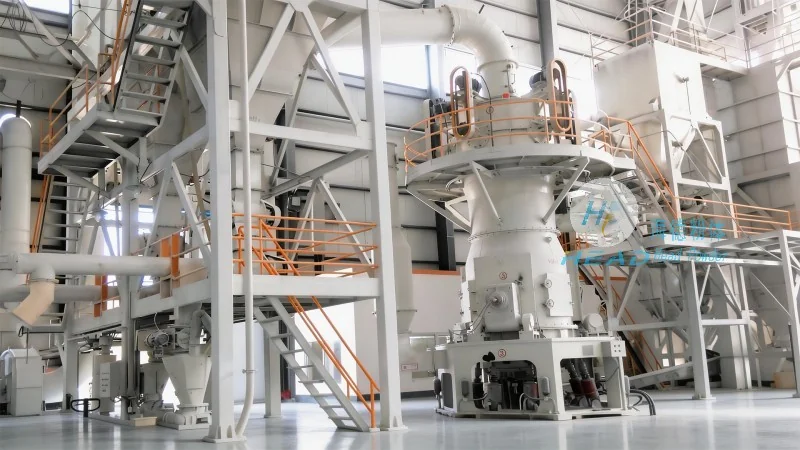
The working principle of the pneumatic conveying system involves the interaction between the bulk material and the air stream. When the compressed air is introduced into the pipeline, it creates a low-pressure zone that draws the material from the feed hopper into the air stream. The material particles are then suspended by the air, moving with the flow. The velocity of the air is crucial; it must be sufficient to keep the material particles in suspension but not so high as to cause excessive wear on the pipeline or equipment. The system operates on the principle of fluidization, where the material behaves like a fluid under the influence of the air stream. This fluidization allows for the efficient transport of the material over long distances, even with changes in elevation or direction. The design of the pipeline, including bends and fittings, is optimized to minimize pressure loss and maintain the material's suspended state throughout the conveying process. The discharge unit is designed to handle the material's properties, such as its bulk density and flow characteristics, ensuring a smooth and controlled discharge.
Benefits and Applications
Our pneumatic conveying equipment for sawdust and husks offers several benefits that make it an ideal choice for various applications. One of the primary advantages is the ability to handle materials with high moisture content or abrasive properties without causing significant wear or damage to the equipment. The system is also highly flexible, allowing for changes in material flow rates or pipeline configurations without major modifications. Additionally, the enclosed design of the system helps to contain dust and debris, improving air quality and reducing the risk of environmental contamination. These benefits make our equipment suitable for applications in woodworking, agricultural processing, and other industries where sawdust and husks are commonly used as raw materials or byproducts.




