High-pressure dense-phase pneumatic conveying lines represent a sophisticated and efficient method for transporting bulk materials. Developed by Shandong HeadPowder Engineering Co., Ltd., a leading manufacturer based in Shandong, China, these systems are engineered to handle a wide range of materials with precision and reliability. The technology is particularly valuable in industries such as chemical processing, food processing, and pharmaceuticals, where maintaining material integrity and minimizing degradation is critical.
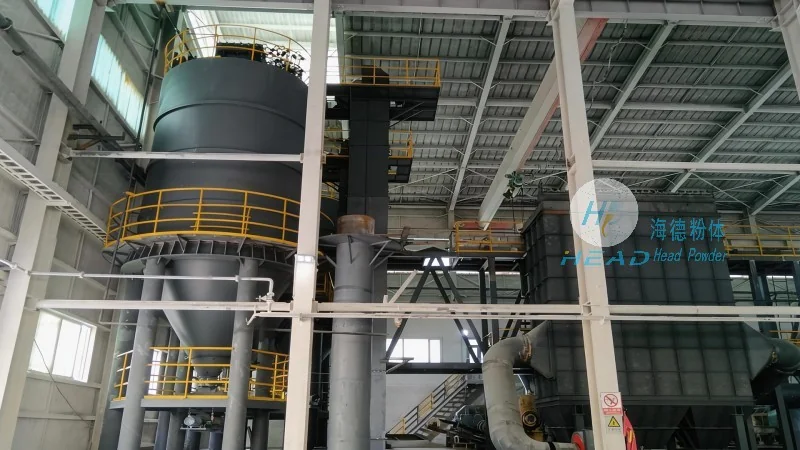
Key Components and Their Roles
The operation of a high-pressure dense-phase pneumatic conveying line involves several key components that work in tandem to ensure smooth material transport. The primary components include a high-pressure air compressor, a material feeder, a conveying pipeline, a control system, and a receiver or discharge unit. Each component plays a crucial role in the overall system performance. The high-pressure air compressor generates the necessary air pressure to create a dense phase of material and air, while the material feeder controls the flow rate of the bulk material into the pipeline. The conveying pipeline, typically made of durable materials like stainless steel or special alloys, ensures the material is transported without degradation. The control system monitors and adjusts the air pressure, material flow, and other parameters to maintain optimal operation. Finally, the receiver or discharge unit collects the material at the destination, completing the conveying process.
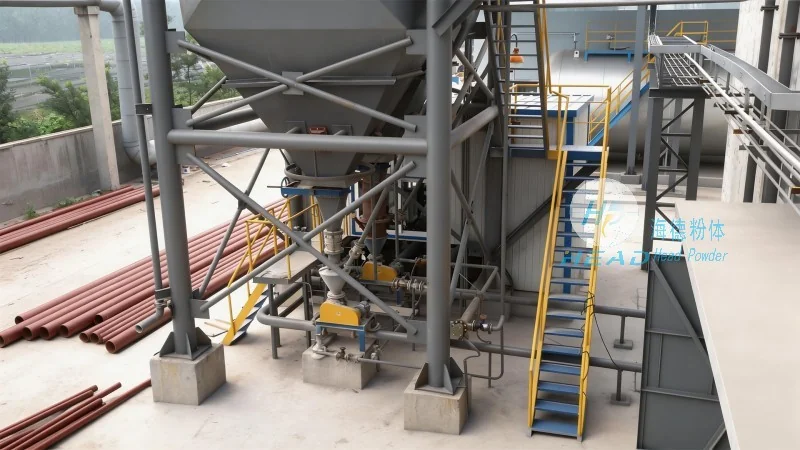
Operation Process: Step-by-Step
The operation of a high-pressure dense-phase pneumatic conveying line follows a systematic process to ensure efficient material transport. The process begins with the preparation of the material, which may involve drying or conditioning to improve flow characteristics. Next, the material is fed into the system via the material feeder, which is synchronized with the air flow from the compressor. The high-pressure air, typically at pressures ranging from 7 to 15 bar, is introduced into the pipeline, creating a dense mixture of material and air. This dense phase allows for a high solids loading ratio, meaning more material is transported per unit volume of air, which enhances efficiency and reduces energy consumption. The material is then conveyed through the pipeline to the receiver or discharge point. The system may include intermediate valves or branches to direct the material to different destinations or to adjust the flow path as needed. The entire process is controlled by the system's control unit, which adjusts parameters in real-time to maintain consistent performance and prevent issues such as blockages or pressure drops.
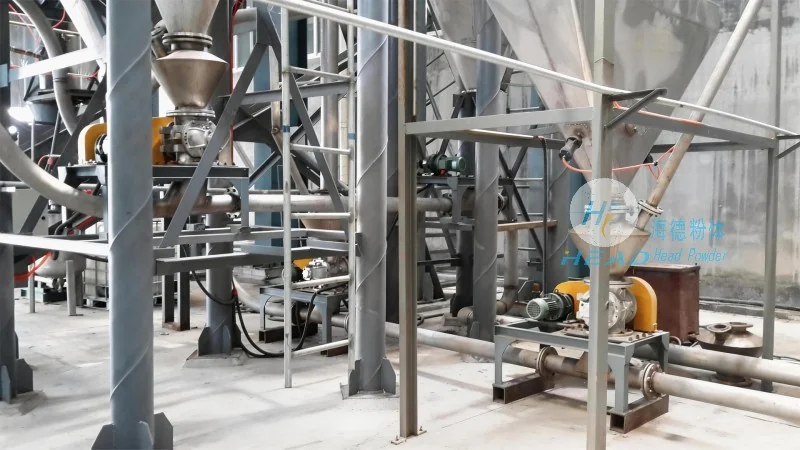
Working Principle: The Science Behind Dense-Phase Conveying
The working principle of high-pressure dense-phase pneumatic conveying is based on the creation of a dense phase of material and air, where the solids are suspended in the air stream in a compact, non-dispersed manner. This is achieved by maintaining a high air velocity and pressure, which forces the material particles to remain in close contact with each other and the air. The dense phase reduces the risk of material degradation, such as attrition or agglomeration, and minimizes the formation of dust or fines. The key to effective dense-phase conveying is the balance between air pressure and material flow rate. If the air pressure is too low, the material may not be fully suspended, leading to blockages or uneven flow. Conversely, if the pressure is too high, the material may be over-suspended, causing excessive wear on the system components. The system's control system continuously monitors these parameters to maintain the optimal balance, ensuring consistent and reliable operation.
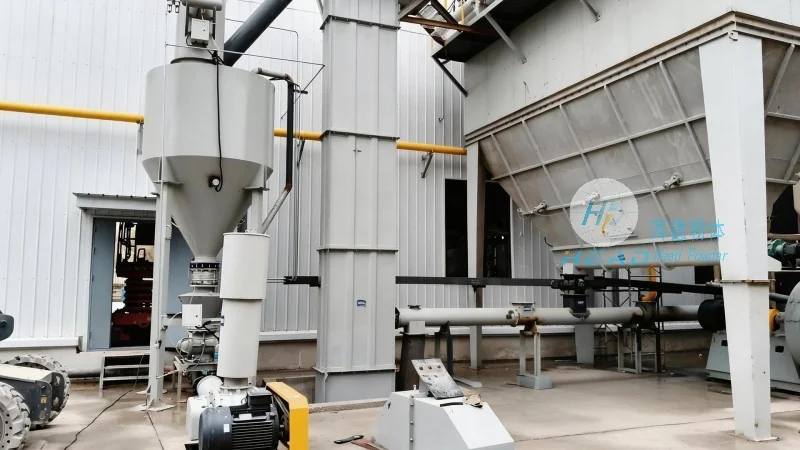
Advantages and Applications
High-pressure dense-phase pneumatic conveying lines offer several advantages over traditional pneumatic conveying methods. These include higher material throughput, lower energy consumption, reduced material degradation, and improved safety. The dense-phase operation minimizes the risk of dust explosions and improves material handling in environments where dust is a concern. Additionally, the system is compact and can be integrated into existing facilities, making it a flexible solution for various industrial applications. The technology is widely used in the transportation of powders, granules, and other bulk materials, including chemicals, food products, and pharmaceuticals. Shandong HeadPowder Engineering Co., Ltd. has successfully implemented these systems in numerous projects, providing customized solutions tailored to the specific needs of each client.




