For industries dealing with foam plastics, efficient material handling is crucial to maintain production flow and operational efficiency. The pneumatic conveying equipment designed by Shandong HeadPowder Engineering Co., Ltd. offers a reliable solution for transporting foam plastic materials with precision and minimal disruption. This article explores the operation process and working principle of such equipment, highlighting how it enhances material handling in foam plastic processing applications.
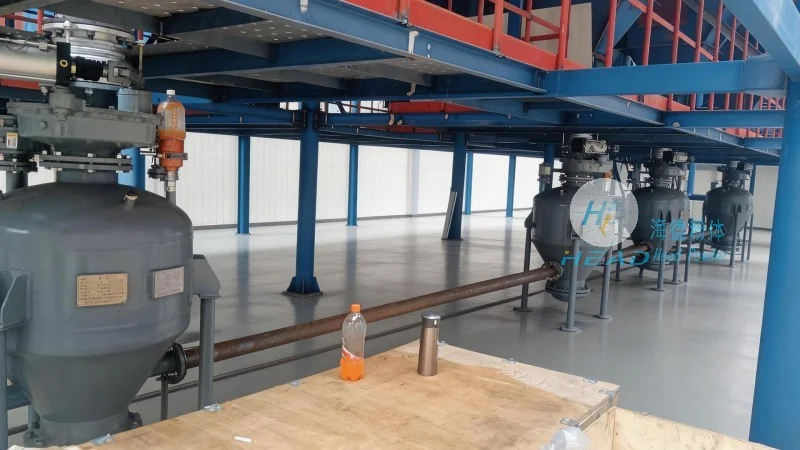
System Overview and Core Components
The foam plastic pneumatic conveying system typically consists of several key components that work in tandem to ensure smooth material transport. These include a feeding unit, a conveying pipeline network, a separation and collection system, and a compressed air or vacuum source. The feeding unit is responsible for introducing foam plastic particles into the system, while the pipeline network facilitates the movement of materials through the system. The separation and collection system then separates the conveyed material from the air stream, allowing for proper material discharge. The compressed air or vacuum source provides the necessary pressure or suction to drive the material along the pipeline.
Operation Process: Step-by-Step Execution
The operation of the foam plastic pneumatic conveying equipment follows a systematic process that ensures consistent and efficient material handling. The process begins with the feeding of foam plastic particles into the feeding hopper. From there, the material is introduced into the conveying pipeline through an air lock or similar mechanism, which prevents air leakage and maintains system pressure. The compressed air or vacuum is then activated, creating a flow that propels the foam plastic particles through the pipeline. As the material travels, it may encounter bends, expansions, or other components that help direct its path and maintain flow stability. The conveying process continues until the material reaches the separation and collection unit, where it is separated from the air stream and collected in a designated container. This step ensures that the foam plastic material is delivered to its intended destination without loss or contamination.
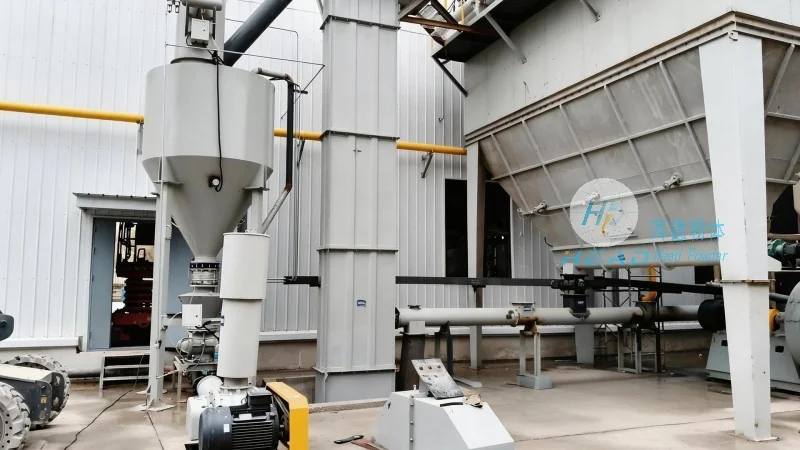
Working Principle: How Pneumatic Conveying Transports Materials
The working principle of the foam plastic pneumatic conveying equipment is based on the fundamental concept of using air flow to transport solid particles. In this system, compressed air is introduced into the conveying pipeline, creating a pressure differential that drives the foam plastic particles forward. The air flow can be generated through a blower or compressor, which supplies the necessary pressure to move the material. Alternatively, a vacuum system can be used, where the pipeline is evacuated to create a suction that pulls the material along. The key to effective pneumatic conveying lies in the balance between air velocity and particle size, ensuring that the particles are entrained in the air stream without being damaged or deformed. The equipment is designed to handle various foam plastic types, including expanded polystyrene (EPS), polyethylene foam, and other lightweight materials, making it versatile for different industrial applications.
Advantages of Foam Plastic Pneumatic Conveying Equipment
Shandong HeadPowder Engineering Co., Ltd. has developed advanced foam plastic pneumatic conveying equipment that offers several advantages over traditional material handling methods. One of the primary benefits is the ability to transport materials in a closed system, which minimizes dust emissions and environmental impact. This is particularly important for foam plastics, which can generate fine particles that are hazardous to health and the environment. The closed system also prevents material contamination, ensuring that the foam plastic remains clean and free from foreign substances. Additionally, the equipment is highly efficient, with low energy consumption and minimal maintenance requirements. The pneumatic conveying process is also faster and more reliable than manual or mechanical handling methods, reducing downtime and increasing overall productivity. The equipment is designed to handle high volumes of material with consistent performance, making it suitable for large-scale foam plastic processing operations.
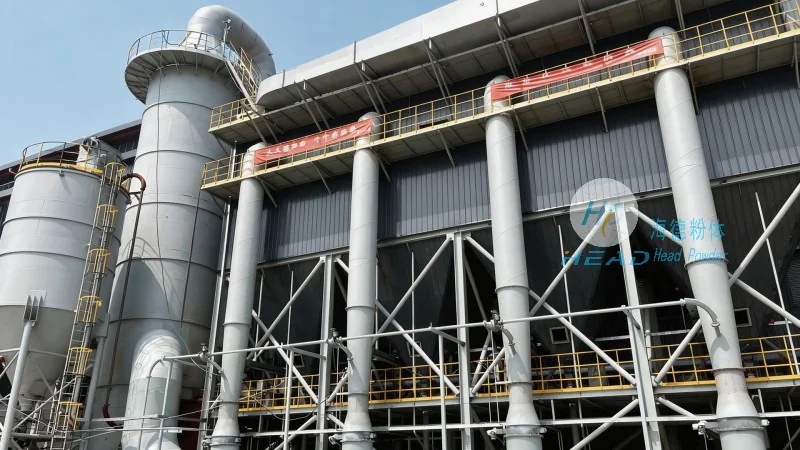
Applications and Industries Served
The foam plastic pneumatic conveying equipment from Shandong HeadPowder Engineering Co., Ltd. is widely used in various industries that process foam plastics. These include the packaging industry, where foam plastics are used for cushioning and insulation; the construction industry, where foam plastics are used for thermal insulation and soundproofing; and the automotive industry, where foam plastics are used for interior components and sound dampening. The equipment is also used in the manufacturing of foam plastic products, such as insulation boards, packaging materials, and decorative items. By providing efficient material handling solutions, the equipment helps these industries improve their production processes and meet the growing demand for foam plastic products.
Conclusion: Enhancing Efficiency in Foam Plastic Processing
In conclusion, the foam plastic pneumatic conveying equipment from Shandong HeadPowder Engineering Co., Ltd. represents a significant advancement in material handling technology for foam plastic applications. By understanding the operation process and working principle of such equipment, industries can leverage its benefits to improve efficiency, reduce costs, and enhance product quality. The equipment's ability to handle foam plastics with precision and minimal disruption makes it an essential tool for modern foam plastic processing operations. As industries continue to seek more efficient and sustainable material handling solutions, the foam plastic pneumatic conveying equipment remains a reliable choice for maintaining production flow and operational excellence.




