Carbon black pneumatic conveying lines are essential equipment in the industrial sector, particularly for the efficient and safe transportation of carbon black particles from one location to another. This article provides a detailed overview of the operation process and working principle of such systems, highlighting the key components, operational steps, and the technological advancements that enhance their performance. The information is presented by Shandong HeadPowder Engineering Co., Ltd., a leading manufacturer based in China, with a focus on delivering reliable and efficient solutions for carbon black handling.
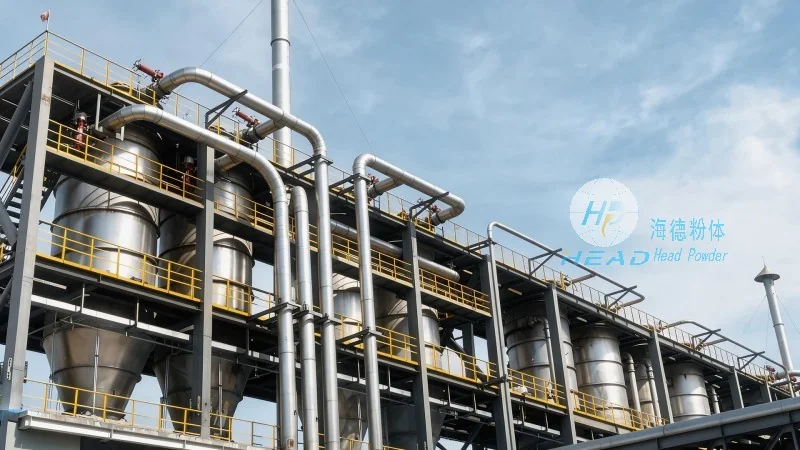
HeadPowder, as the company's brand, specializes in the design, manufacturing, and installation of carbon black pneumatic conveying systems. With a strong presence in the industry, the company has built a reputation for quality and innovation, ensuring that their equipment meets the highest standards of performance and safety. The company's headquarters is located in Shandong, China, where they leverage local expertise and resources to develop cutting-edge solutions tailored to the specific needs of their clients.
Key Components of Carbon Black Pneumatic Conveying Lines
A carbon black pneumatic conveying line typically consists of several critical components that work in tandem to ensure smooth and efficient operation. The main components include the material feed system, the conveying pipeline, the air supply system, the control system, and the dust collection or separation unit. Each component plays a vital role in the overall functionality of the system.
The material feed system is responsible for introducing carbon black particles into the conveying line. This can be achieved through various methods such as a hopper or a rotary valve, which ensures a consistent and controlled flow of material. The conveying pipeline, usually made of stainless steel or other corrosion-resistant materials, is designed to withstand the abrasive nature of carbon black and maintain airtight integrity. The air supply system, often powered by a blower or a compressor, generates the necessary airflow to move the particles through the pipeline. The control system monitors and regulates the flow of air and material, ensuring optimal performance and preventing issues like blockages or excessive pressure. Finally, the dust collection or separation unit is crucial for maintaining air quality and preventing the release of carbon black particles into the environment.
The Operation Process of Carbon Black Pneumatic Conveying Lines
The operation of a carbon black pneumatic conveying line involves a series of steps that are carefully coordinated to achieve efficient material transport. The process typically begins with the preparation of the carbon black material, which may involve drying or pre-screening to remove moisture or impurities. Once the material is ready, it is fed into the system through the material feed system. The air supply system then activates, generating a high-velocity airflow that draws the carbon black particles into the conveying pipeline.
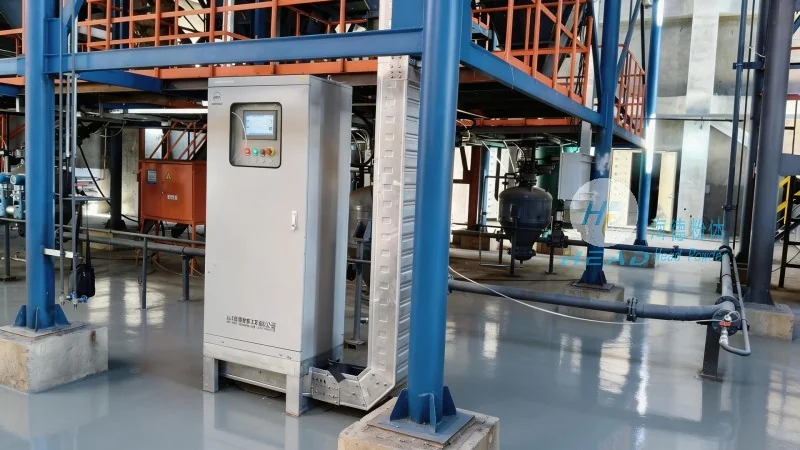
As the particles are carried by the airflow, they travel through the pipeline to the destination point, which could be a storage silo, a processing unit, or another location within the facility. The control system continuously monitors the pressure and flow rates, adjusting the air supply as needed to maintain a stable and efficient conveying process. The system may also include features such as pulse jets or rotary valves to regulate the flow and prevent clogging. Upon reaching the destination, the carbon black particles are discharged into the receiving container, and the airflow is directed back to the source or to a dust collection system.
Working Principle of Carbon Black Pneumatic Conveying Lines
The working principle of carbon black pneumatic conveying lines is based on the fundamental concept of transporting solid particles using an air stream. This method, known as pneumatic conveying, relies on the momentum and pressure of the air to move the particles through the pipeline. The key to efficient operation lies in maintaining the correct air-to-material ratio, which ensures that the particles are fully suspended and transported without causing blockages or excessive wear on the system components.
There are several types of pneumatic conveying systems, including pressure, vacuum, and mixed systems. Pressure systems use compressed air to push the material through the pipeline, while vacuum systems use suction to draw the material. Mixed systems combine both pressure and vacuum principles to achieve optimal performance. For carbon black applications, pressure systems are commonly preferred due to their ability to handle high volumes of material and maintain consistent flow rates.
Advantages of Carbon Black Pneumatic Conveying Lines
Carbon black pneumatic conveying lines offer numerous advantages over traditional mechanical conveying methods. One of the primary benefits is the ability to transport material over long distances without the need for multiple transfer points or intermediate storage. This reduces the risk of material degradation and contamination, which is critical for carbon black, a high-value industrial product. Additionally, pneumatic conveying systems are more flexible and can be easily integrated into existing industrial setups, allowing for modifications and expansions as needed.
Another significant advantage is the improved safety and hygiene. Unlike mechanical systems that may involve moving parts and potential leaks, pneumatic conveying lines are enclosed and sealed, minimizing the risk of dust exposure and environmental contamination. This is particularly important in the carbon black industry, where dust can be hazardous and regulatory compliance is essential. The systems also contribute to energy efficiency by optimizing the air-to-material ratio, reducing energy consumption and operational costs.
Maintenance and Troubleshooting of Carbon Black Pneumatic Conveying Lines
To ensure the long-term performance and reliability of carbon black pneumatic conveying lines, regular maintenance and proper troubleshooting are essential. Regular inspections of the conveying pipeline, air supply system, and control components are necessary to identify and address any potential issues before they escalate. The material feed system should be checked for blockages or wear, and the dust collection unit should be cleaned regularly to maintain its efficiency.
Troubleshooting common issues such as clogging, low conveying efficiency, or excessive pressure can often be resolved by adjusting the air flow rate, checking for obstructions in the pipeline, or replacing worn parts. It is important to follow the manufacturer's guidelines and recommendations for maintenance to ensure that the system operates at its optimal level. Shandong HeadPowder Engineering Co., Ltd. provides comprehensive support and maintenance services to their clients, ensuring that their equipment remains in top condition and continues to deliver reliable performance.




