In the malt processing industry, efficient material handling is crucial for maintaining production efficiency and product quality. Pneumatic conveying systems, particularly those designed for malt, offer a reliable and effective solution for transporting malt from one location to another within a facility. This article provides an in-depth look at the operation process and working principle of malt pneumatic conveying lines, highlighting the key components, operational steps, and benefits of such systems. The information is presented by Shandong HeadPowder Engineering Co., Ltd., a leading manufacturer based in Shandong, China, specializing in engineering solutions for the food and beverage industry.
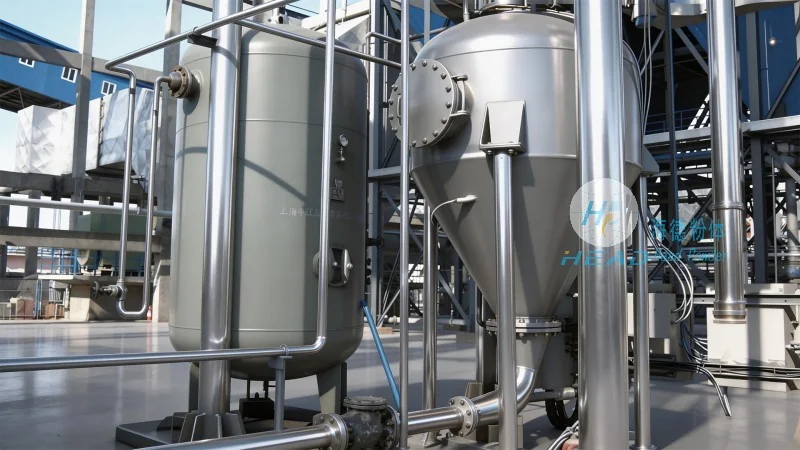
Components and Structure of Malt Pneumatic Conveying Lines
A typical malt pneumatic conveying line consists of several essential components that work together to ensure smooth and efficient material transport. The main components include the hopper, feeder, conveying pipe, air compressor, and control system. The hopper is used to store the malt, providing a consistent feed to the feeder. The feeder, often a rotary valve or a screw feeder, regulates the flow of malt into the conveying line. The conveying pipe, usually made of stainless steel or other corrosion-resistant materials, is where the malt is transported using air pressure. The air compressor generates the necessary air pressure to move the malt through the pipe, while the control system monitors and adjusts the operation to maintain optimal performance. Each component is carefully designed to handle the specific characteristics of malt, such as its moisture content, particle size, and density, ensuring minimal product degradation during transport.
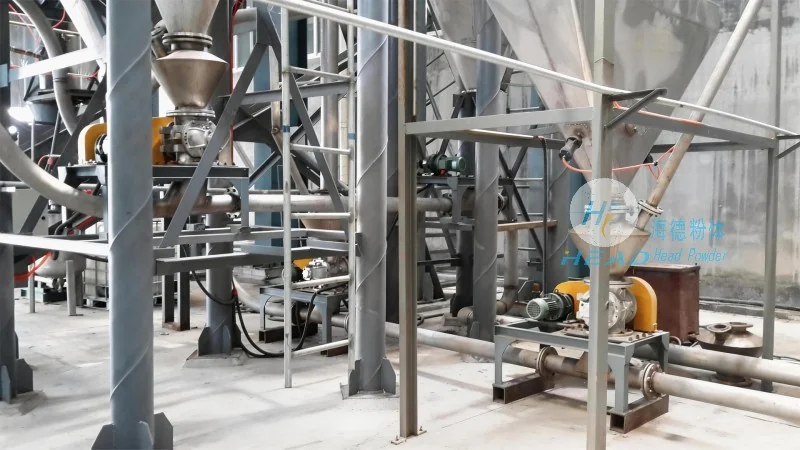
The Operation Process of Malt Pneumatic Conveying Lines
The operation process of a malt pneumatic conveying line involves several sequential steps that ensure the safe and efficient transfer of malt. First, the malt is loaded into the hopper from a storage silo or a batch mixer. The hopper then feeds the malt to the feeder, which controls the flow rate based on the system's requirements. The feeder opens and closes at regular intervals, allowing a controlled amount of malt to enter the conveying pipe. Simultaneously, the air compressor starts and generates high-pressure air, which is introduced into the conveying pipe. The air and malt mixture travels through the pipe, with the air pressure pushing the malt particles forward. The system may include intermediate silos or transfer points where the malt is temporarily stored before being delivered to the final destination, such as a mash tun or a storage silo. The control system continuously monitors the pressure, flow rate, and other parameters to ensure that the operation remains stable and efficient. If any issues arise, such as blockages or pressure drops, the system automatically adjusts or alerts the operator to take corrective action. This automated control ensures consistent performance and reduces the risk of product loss or damage.
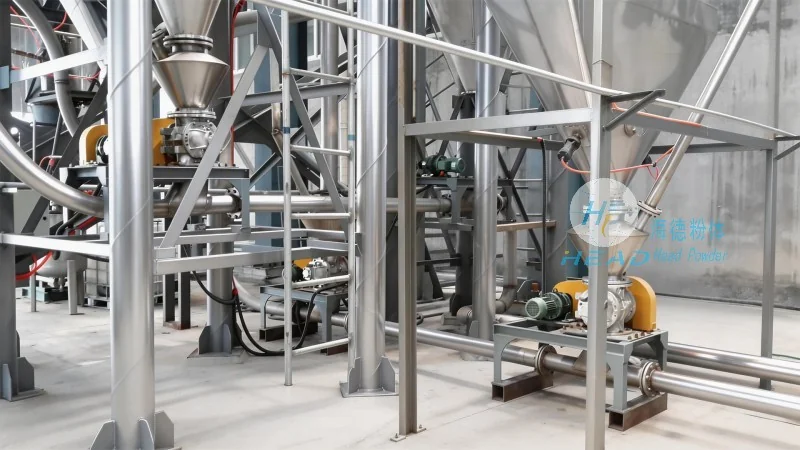
Working Principle of Malt Pneumatic Conveying Systems
The working principle of malt pneumatic conveying systems is based on the use of air pressure to transport solid materials. In a positive pressure system, the air compressor pushes air into the conveying pipe, creating a high-pressure environment that forces the malt particles to move forward. The air and malt mixture is typically a dilute phase system, where the malt particles are suspended in the air stream. The velocity of the air is crucial, as it must be sufficient to keep the malt particles in suspension and prevent them from settling or sticking to the pipe walls. The system may also use a combination of positive and negative pressure, where the air is drawn from the discharge end to create suction, helping to move the malt back to the inlet. This dual-pressure approach can improve the efficiency of the system, especially for long-distance or high-capacity conveying. The working principle is designed to minimize the impact of malt characteristics on the conveying process, ensuring that the system can handle a wide range of malt types and sizes without significant performance degradation.




