Winery slurry, a byproduct of winemaking, presents unique handling challenges due to its high moisture content and abrasive nature. Traditional conveyance methods often lead to operational inefficiencies and equipment wear. Pneumatic conveying lines have emerged as a sophisticated solution, enabling the seamless transport of this material from production areas to processing or disposal sites. This article explores the operation process and working principle of such systems, highlighting technical advancements and practical applications that make them indispensable in modern winemaking operations.
Introduction to Winery Slurry Pneumatic Conveying Systems
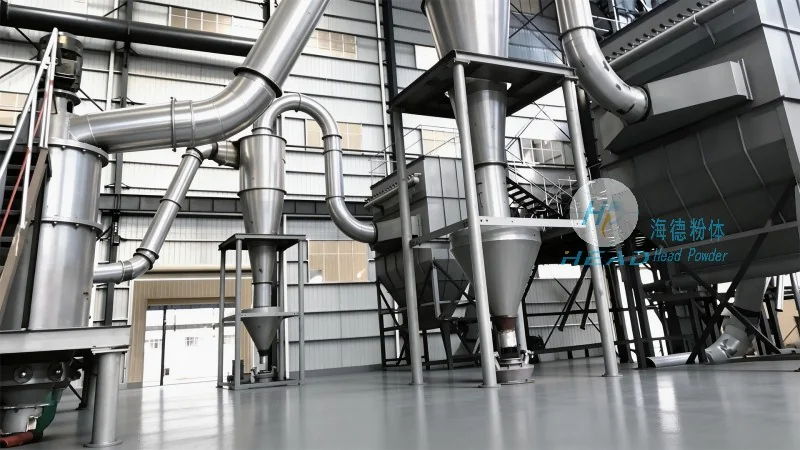
Winery slurry, also known as grape pomace or wine lees, consists of grape skins, seeds, and stems remaining after fermentation. Its composition, characterized by high moisture levels and fibrous texture, makes conventional mechanical conveyors unsuitable. Pneumatic conveying systems, which utilize air pressure to move materials, offer a solution by minimizing equipment contact and reducing contamination risks. The system typically includes a hopper, air compressor, conveying line, and discharge unit, all integrated to ensure reliable and hygienic transport. As a leading provider, Shandong HeadPowder Engineering Co., Ltd. specializes in designing customized pneumatic solutions tailored to wineries' specific needs.
Key Components of a Winery Slurry Pneumatic Conveying Line
The effectiveness of a pneumatic conveying line for winery slurry depends on its well-designed components. Each part plays a critical role in the overall operation. The hopper serves as the initial collection point, equipped with a feeding mechanism (e.g., rotary valve or screw feeder) to control flow and prevent blockages. The air compressor generates compressed air to move the slurry, with options like positive displacement or centrifugal models based on capacity and material characteristics. The conveying line, made of durable materials like stainless steel or polyethylene, resists corrosion and abrasion. The discharge unit, often a cyclone separator or filter, separates slurry from the air stream, enabling clean material collection and air recycling. These components form a cohesive system for efficient slurry transport.
Operation Process of Winery Slurry Pneumatic Conveying
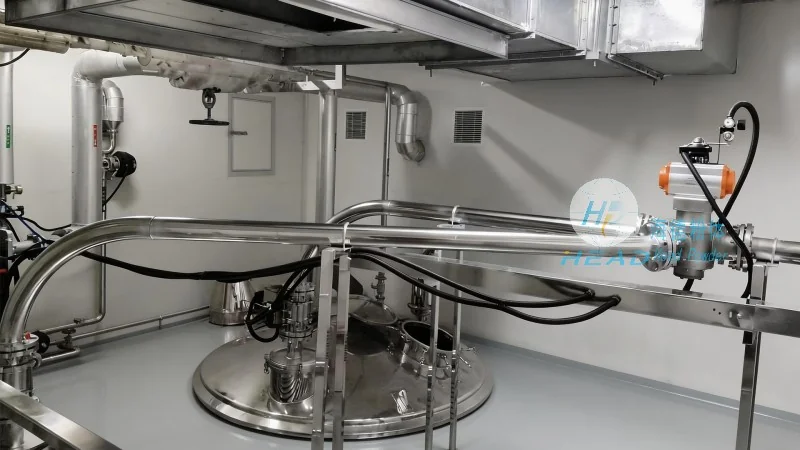
The operation of a winery slurry pneumatic conveying line involves sequential steps for smooth, continuous transport. The process starts with slurry loading into the hopper. The feeding mechanism regulates flow, feeding material into the conveying line at a controlled rate. Simultaneously, the air compressor supplies compressed air, introduced at strategic points. As air flows through the line, it entrains slurry particles, creating a slurry-air mixture that moves toward the discharge unit. The mixture enters a cyclone separator, where centrifugal force separates slurry from air. The separated slurry is collected, while air is filtered and recycled, reducing energy use and emissions. This closed-loop operation maintains hygiene, suitable for food processing environments. Automation with sensors and control systems monitors pressure, flow rate, and temperature for optimal performance, enhancing reliability and reducing manual intervention.
Working Principle of Pneumatic Conveying for Winery Slurry
The working principle of a pneumatic conveying system for winery slurry is based on fluidization and particle transport. The system operates on the principle of creating a pressure differential between the hopper and discharge unit. The air compressor generates a high-pressure air stream, mixed with slurry in the hopper. As the mixture travels through the line, air provides kinetic energy to overcome gravitational forces on particles. The conveying line's design (diameter, length) maintains the air-to-material ratio, ensuring efficient suspension. The cyclone separator uses centrifugal force to separate slurry from air, with heavier particles falling to the collection point and lighter air recycled. The system operates under controlled pressure, with the compressor maintaining consistent pressure for steady flow. This principle enables efficient transport over long distances and varying elevations, making it versatile for wineries of all sizes.
Advantages of Using Pneumatic Conveying for Winery Slurry
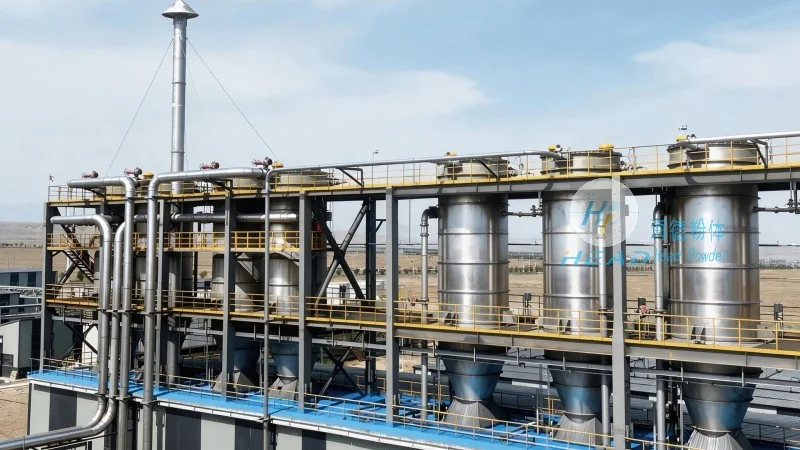
Implementing a pneumatic conveying line for winery slurry offers numerous benefits over traditional methods. Primary advantages include reduced equipment wear and tear, as slurry is conveyed without direct mechanical contact, minimizing abrasion and corrosion. The system is highly hygienic, operating in a closed loop to prevent dust and contamination, critical for food processing facilities. Flexibility in layout (horizontal, vertical, inclined) adapts to winery infrastructure. Energy efficiency is achieved through air recycling, lowering operational costs and environmental impact. Automation enhances efficiency, reducing labor costs and human error. These benefits make pneumatic conveying an attractive solution for improving material handling while maintaining compliance with industry standards.
Customization and Application in Winery Operations
Shandong HeadPowder Engineering Co., Ltd. provides customized pneumatic conveying solutions tailored to wineries' unique operational needs. The company integrates systems with existing infrastructure, minimizing disruption during installation. Customization options include adjusting air compressor capacity, conveying line diameter/length, and component materials based on slurry characteristics. For high-volume wineries, larger-diameter lines and powerful compressors are used, while smaller operations opt for compact, low-energy systems. The system is designed to accommodate distance and elevation changes, optimizing performance. In practice, these customized systems transport slurry from fermentation tanks to processing or disposal sites, integrating seamlessly into workflows. By collaborating with wineries to understand challenges, HeadPowder offers solutions supporting long-term growth and sustainability. This customization ensures investments deliver lasting benefits and support sustainable winemaking practices.
Maintenance and Operational Considerations
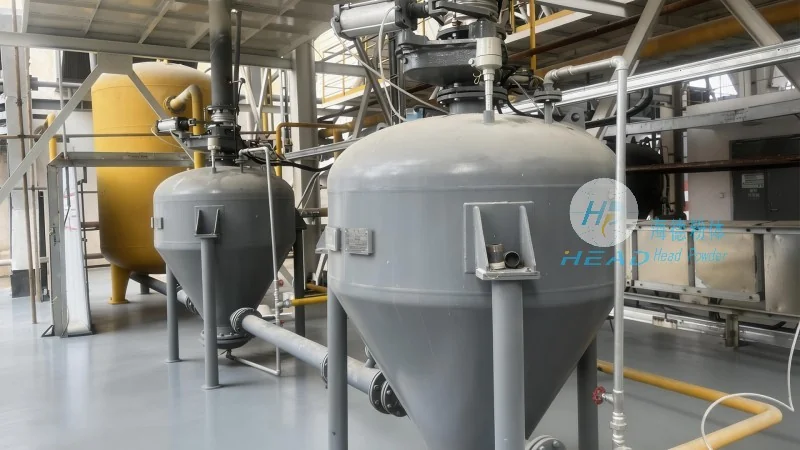
Proper maintenance is essential for the longevity and efficiency of a winery slurry pneumatic conveying line. Regular inspections and procedures prevent breakdowns and maintain optimal performance. Key tasks include checking the air compressor, inspecting the conveying line for wear/blockages, and cleaning the cyclone separator/filters to avoid clogging. The feeding mechanism should be checked for alignment and functionality. Monitoring pressure and flow rates detects issues early. Using lubricants and protective coatings for abrasive components extends lifespan. Regular cleaning after handling different slurry types maintains hygiene and prevents cross-contamination. A structured maintenance schedule minimizes downtime and enhances safety/efficiency. HeadPowder offers guidance on best practices, ensuring systems remain in optimal condition throughout their operational life.
Conclusion
In conclusion, the operation process and working principle of winery slurry pneumatic conveying lines represent a sophisticated and efficient solution for handling winery byproducts. The system's components, operation steps, and working principles ensure reliable, hygienic, and energy-efficient transport. Advantages like reduced equipment wear, enhanced hygiene, and operational flexibility make them a valuable asset for modern wineries. With customized solutions from Shandong HeadPowder Engineering Co., Ltd., wineries address specific material handling needs while adhering to industry standards and regulations. Investing in a well-designed pneumatic conveying line improves operational efficiency, reduces costs, and supports sustainable practices in the wine industry. As demand for efficient, sustainable winemaking grows, pneumatic conveying systems will remain critical, supporting high-quality wine production and minimizing environmental impact.




