HeadPowder, a leading manufacturer in the field of pneumatic conveying systems, specializes in providing efficient and reliable solutions for the transportation of bulk materials. This article focuses on the operation process and working principle of rapeseed pneumatic conveying lines, highlighting the key components, operational steps, and technical advantages of such systems.
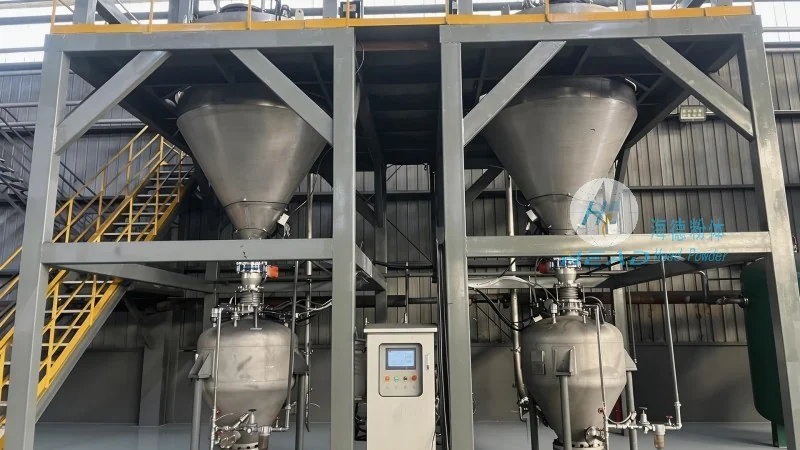
Introduction to Rapeseed Pneumatic Conveying Lines
Rapeseed, also known as canola, is a crucial agricultural product used in the production of oil and other industrial applications. The efficient handling and transportation of rapeseed from storage facilities to processing plants are essential for maintaining productivity and minimizing losses. Pneumatic conveying lines offer a highly effective method for this purpose, utilizing air pressure to move the seed through a pipeline system.
Key Components of a Rapeseed Pneumatic Conveying System
A typical rapeseed pneumatic conveying line consists of several critical components that work in tandem to ensure smooth operation. These include:
1. Feeder: The feeder is responsible for feeding the rapeseed into the conveying system at a controlled rate. It ensures a consistent flow of material, preventing blockages and maintaining system efficiency.
2. Pneumatic Conveying Unit: This is the core of the system, which uses compressed air to transport the rapeseed through the pipeline. The unit typically includes a blower or compressor that generates the necessary air pressure.
3. Pipeline System: The pipeline, often made of stainless steel or other corrosion-resistant materials, forms the path through which the rapeseed travels. It is designed to handle the specific characteristics of rapeseed, such as its size and moisture content.
4. Control System: The control system monitors and regulates the operation of the conveying line, ensuring optimal performance and safety. It may include sensors to detect material flow, pressure, and temperature.
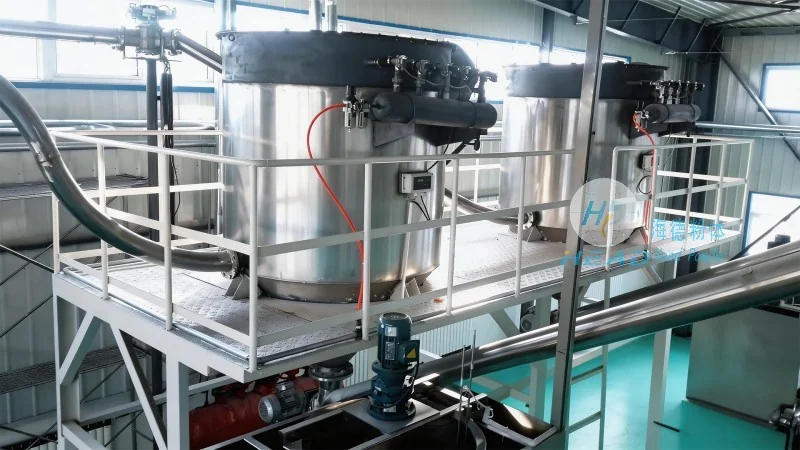
Operation Process of Rapeseed Pneumatic Conveying Lines
The operation of a rapeseed pneumatic conveying line involves several sequential steps, each designed to move the seed from the source to the destination efficiently:
1. Material Loading: The rapeseed is loaded into the hopper or storage silo from which it will be fed into the system. The feeder then starts to supply the material at a predetermined rate.
2. Air Compression: The blower or compressor in the pneumatic unit generates compressed air. This air is introduced into the pipeline, creating a pressure differential that propels the rapeseed forward.
3. Conveying Through Pipeline: As the compressed air flows through the pipeline, it carries the rapeseed particles along with it. The design of the pipeline, including bends and elbows, is optimized to minimize pressure loss and ensure smooth material transport.
4. Discharge and Dosing: At the receiving end of the pipeline, the rapeseed is discharged into a collection hopper or processing unit. The control system may include a dosing mechanism to regulate the flow of material into the next stage of processing.
Working Principle of Pneumatic Conveying for Rapeseed
The working principle of a rapeseed pneumatic conveying line is based on the principle of fluidization and drag. The compressed air creates a flow that lifts and moves the rapeseed particles through the pipeline. This method is known as "air-assisted" or "pressure" conveying, which is particularly effective for handling granular materials like rapeseed.
Key factors influencing the efficiency of the system include the air velocity, pressure, and the size and density of the rapeseed particles. Proper design and maintenance of the components are crucial to ensure consistent performance and prevent issues such as blockages or material degradation.
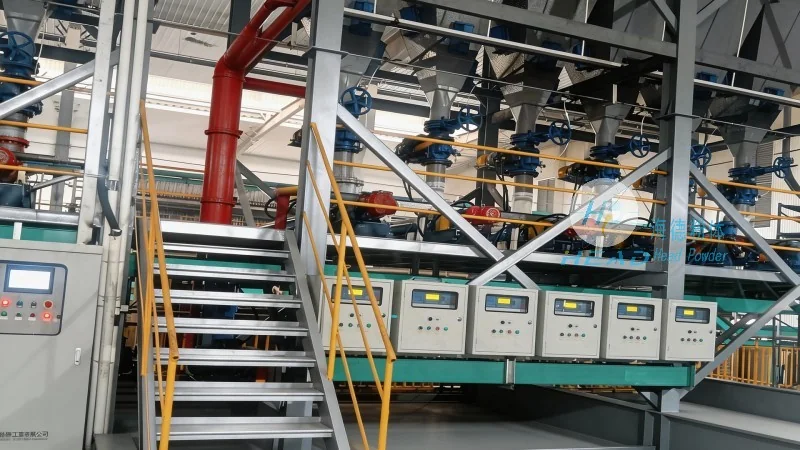
Advantages of Using Rapeseed Pneumatic Conveying Lines
Implementing a pneumatic conveying system for rapeseed offers several advantages over traditional methods like belt conveyors or bucket elevators:
1. Reduced Maintenance: Pneumatic systems have fewer moving parts, leading to lower maintenance requirements and longer service life.
2. Prevention of Contamination: The enclosed pipeline design prevents contamination from external sources, ensuring the quality of the rapeseed remains intact.
3. Energy Efficiency: Modern pneumatic conveying units are designed to be energy-efficient, reducing operational costs while maintaining high throughput.
4. Flexibility in Layout: The pipeline system can be easily configured to follow the layout of the processing facility, allowing for flexible and space-saving installations.
Conclusion
HeadPowder Engineering Co., Ltd., located in Shandong, China, is a trusted provider of high-quality rapeseed pneumatic conveying lines. By understanding the operation process and working principle of such systems, users can make informed decisions about implementing efficient material handling solutions. The combination of advanced technology and robust design ensures that rapeseed can be transported safely and effectively, supporting the productivity of agricultural and industrial operations.




