Understanding the operation process and working principle of dust gas-pneumatic conveying lines is crucial for optimizing dust collection systems in industrial settings. This article provides a detailed overview, focusing on the key components, operational steps, and technical aspects that ensure efficient dust handling and transport. Shandong HeadPowder Engineering Co., Ltd., a leading provider of dust handling solutions, specializes in designing and manufacturing efficient dust gas-pneumatic conveying systems for various industrial applications.
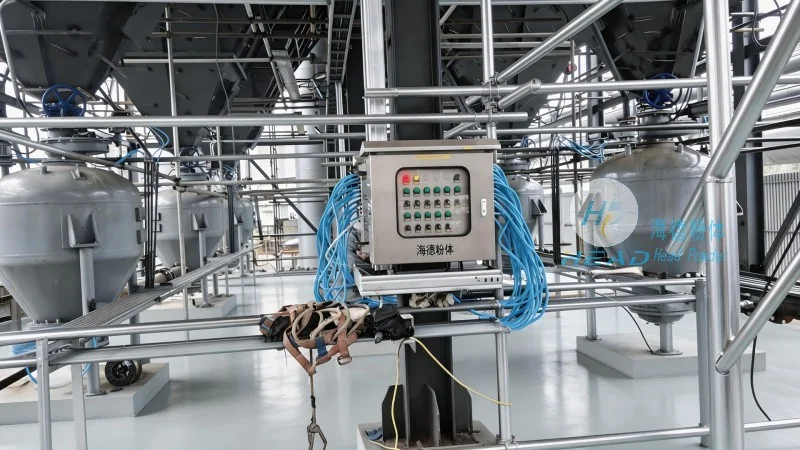
Introduction to Dust Gas-Pneumatic Conveying Systems
Dust gas-pneumatic conveying lines are integral to modern industrial dust collection processes, designed to transport collected dust from collection points to storage or disposal locations. These systems leverage the principles of pneumatic transport, using air pressure to move particulate matter through a network of pipes and components. The technology is widely adopted in industries such as cement, power generation, and chemical manufacturing, where efficient dust management is essential for compliance with environmental regulations and operational efficiency.
Key Components of a Dust Gas-Pneumatic Conveying Line
The effectiveness of a dust gas-pneumatic conveying line depends on its well-designed components, each playing a specific role in the overall system. The primary components include the dust collector, conveying line, air compressor, and control system. The dust collector, typically a baghouse or electrostatic precipitator, captures airborne dust particles and directs them into the conveying line. The conveying line consists of flexible or rigid pipes that transport the dust, often assisted by air flow generated by the air compressor. The air compressor provides the necessary pressure and volume of air to move the dust through the system, while the control system regulates the flow and pressure to maintain optimal performance.
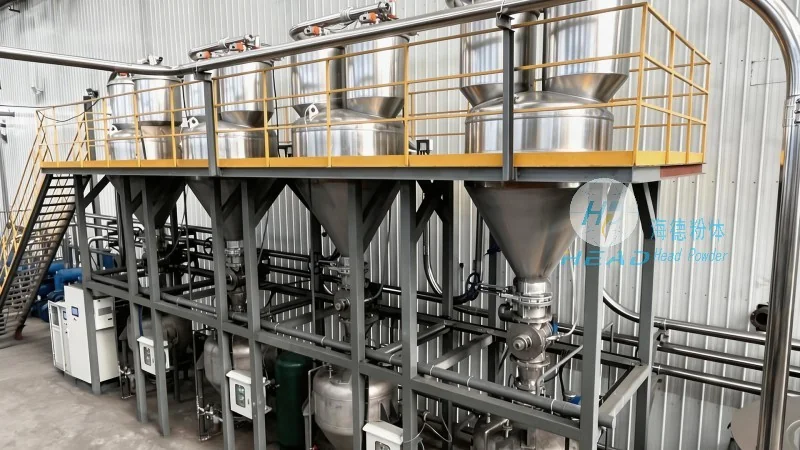
Working Principle of the Conveying Process
The working principle of a dust gas-pneumatic conveying line is based on the creation of a high-pressure air stream that propels dust particles through the system. When the air compressor operates, it generates compressed air that is introduced into the conveying line at the dust collector outlet. As the air flows through the pipe, it entrains the dust particles, forming a slurry-like mixture known as a "pneumatic stream." This stream travels through the pipeline to the discharge point, where the air and dust are separated. The air is typically filtered and recycled back to the compressor, while the dust is deposited in a hopper or storage container. The entire process is controlled by sensors and valves that monitor pressure, flow, and dust concentration, ensuring consistent and reliable operation.
Operation Process: Step-by-Step Overview
The operation process of a dust gas-pneumatic conveying line involves several sequential steps that ensure smooth and efficient dust transport. The first step is the collection of dust by the dust collector, which traps particles from the air stream. Once collected, the dust is transferred to the conveying line via a hopper or feeder. The second step is the activation of the air compressor, which starts supplying compressed air to the system. As the air pressure builds, it creates a suction or pressure differential that draws the dust into the conveying line. The third step involves the transport of the dust through the pipeline, where the air flow maintains the particle suspension. The fourth step is the separation of the dust from the air at the discharge point, typically using a cyclone separator or filter. Finally, the separated dust is collected in a storage bin, while the air is recirculated back to the compressor to maintain system efficiency.
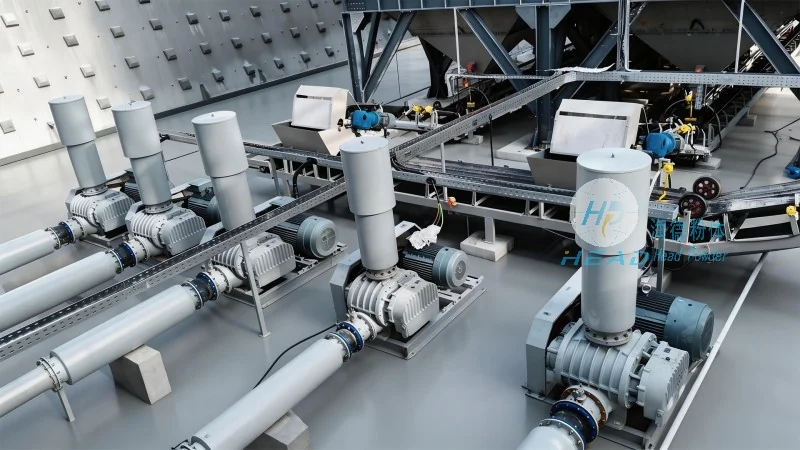
Factors Affecting System Performance and Efficiency
Several factors influence the performance and efficiency of dust gas-pneumatic conveying lines. The particle size and density of the dust are critical, as larger or heavier particles may require higher air pressure or different conveying methods. The length and diameter of the conveying line also impact system performance, as longer or narrower pipes increase resistance and may require additional air power. The air flow rate and pressure must be optimized to ensure that dust particles are fully entrained without causing excessive wear on components. Additionally, the system's design, including the type of air compressor and control valves, plays a role in maintaining consistent operation and preventing blockages or leaks.
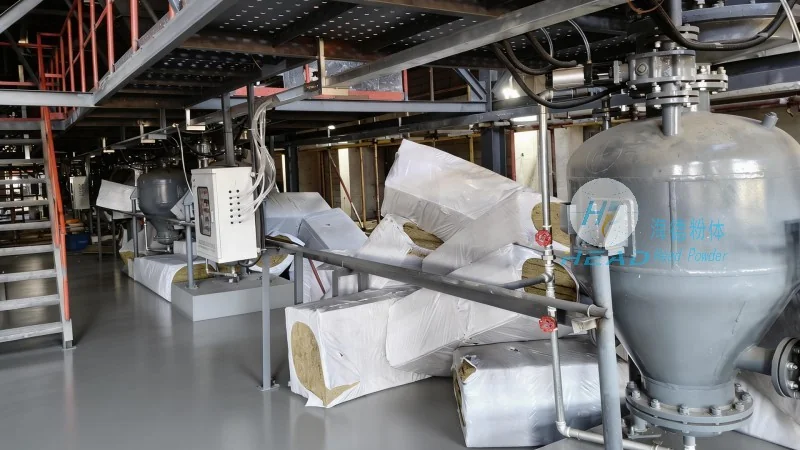
Maintenance and Operational Considerations
Regular maintenance is essential to ensure the long-term reliability and efficiency of dust gas-pneumatic conveying lines. Key maintenance tasks include checking and replacing air filter elements, inspecting for leaks in the pipeline, and cleaning or replacing cyclone separators. The air compressor should be regularly serviced to maintain optimal performance and prevent breakdowns. Operational considerations include monitoring system pressure and flow rates, adjusting air pressure as needed to accommodate changes in dust load, and ensuring that the control system is functioning correctly. Proper maintenance and operational practices help minimize downtime, reduce energy consumption, and extend the lifespan of the equipment.
Conclusion
Dust gas-pneumatic conveying lines are a vital component of industrial dust collection systems, providing an efficient and reliable method for transporting collected dust. By understanding the operation process and working principle of these systems, industrial facilities can optimize their dust management strategies, improve environmental compliance, and enhance overall operational efficiency. The technology, when properly designed and maintained, offers a cost-effective solution for handling dust in various industrial applications.




