Yeast powder, a crucial ingredient in various food and beverage applications, requires efficient and reliable handling systems to maintain product quality and operational efficiency. A pneumatic conveying line is a specialized system designed to transport dry powders like yeast powder through a pipeline using air or other gas as the conveying medium. This method offers several advantages over traditional mechanical conveying, including reduced product contamination, lower maintenance requirements, and the ability to handle materials in a closed system, which is essential for maintaining hygiene standards in food processing industries.
The Operational Process of a Yeast Powder Pneumatic Conveying Line
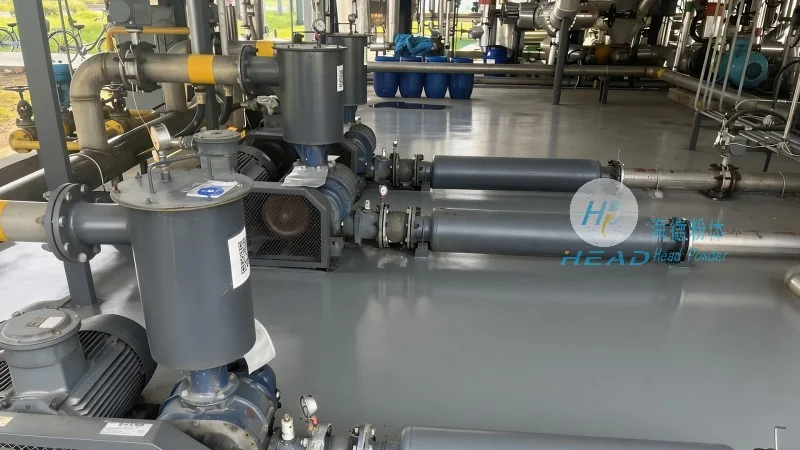
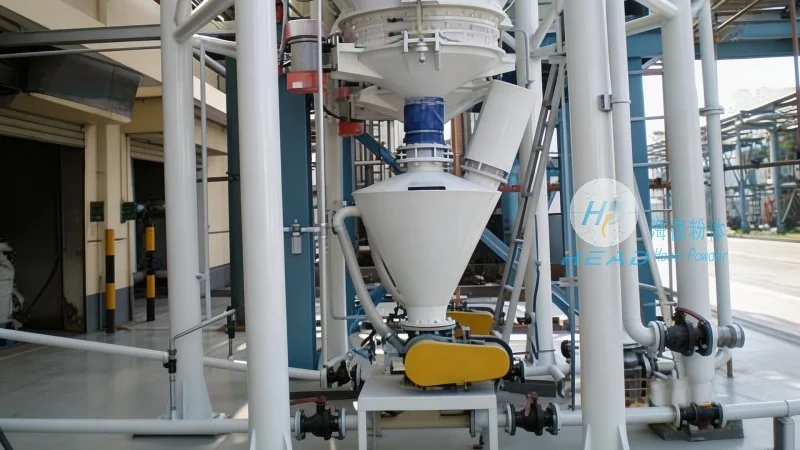
The operation of a yeast powder pneumatic conveying line involves several key steps that ensure smooth and continuous material transport. The process begins with the feeding of yeast powder into the system, typically from a storage silo or hopper. A feeder, such as a rotary valve or a screw feeder, controls the flow rate of the powder into the conveying line. Once the powder is introduced, a compressor or blower generates the necessary air pressure to move the material through the pipeline. The air and powder mixture travels through the pipeline, which may include bends, expansions, or reductions to adjust the flow dynamics. At the discharge end, a separator or cyclone separates the powder from the air, allowing the yeast powder to be deposited into the target container or processing equipment. The air, now free of powder, is then filtered and recycled back into the system to maintain energy efficiency and reduce waste.
Working Principle of the Pneumatic Conveying Line Components
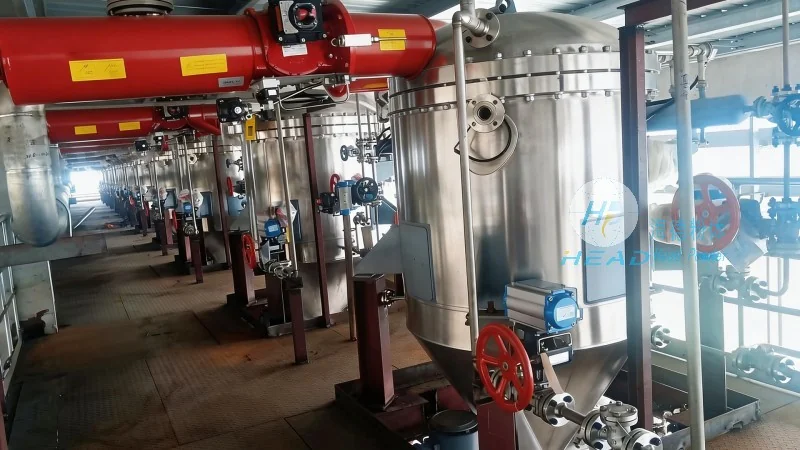
The effectiveness of a yeast powder pneumatic conveying line depends on the proper functioning of its key components. The compressor or blower is the primary source of energy, providing the pressure needed to move the powder. The feeder ensures a consistent and controlled flow of yeast powder, preventing overloading or underloading that could disrupt the conveying process. The pipeline system, often made of stainless steel to meet hygiene standards, is designed to handle the abrasive nature of yeast powder while maintaining a smooth interior to minimize friction and product degradation. The separator or cyclone at the discharge end uses centrifugal force to separate the powder from the air. As the air and powder mixture enters the separator, the heavier powder particles are forced to the outer wall and fall to the bottom, where they are collected. The clean air then exits through the top of the separator and is recirculated back to the compressor. This closed-loop system minimizes dust emissions and ensures that the air is reused, enhancing energy efficiency and reducing operational costs.
Key Features and Benefits for Yeast Powder Handling
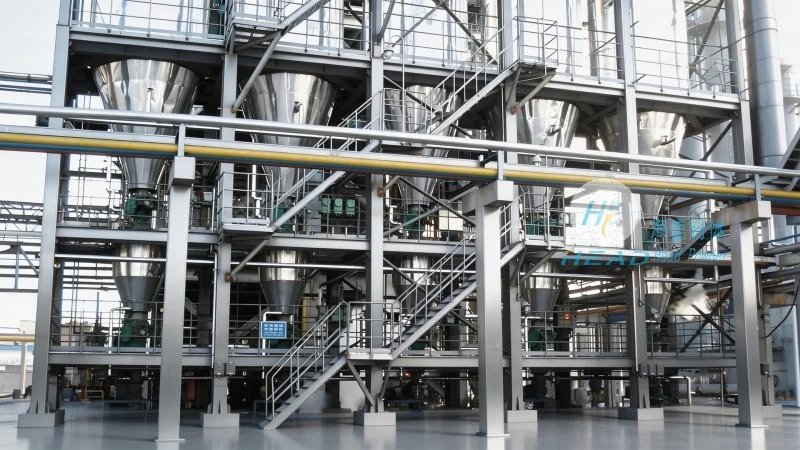
When selecting a pneumatic conveying line for yeast powder, several features and benefits should be considered. The system's ability to maintain a closed environment is critical for preventing contamination and dust dispersion, which is essential in food processing facilities. Stainless steel construction ensures compliance with sanitary standards and durability, as yeast powder can be abrasive and may contain moisture that could cause corrosion over time. The system's energy efficiency is another important factor, as the recirculation of air reduces energy consumption compared to systems that require continuous air replacement. Additionally, the flexibility of pneumatic conveying allows for easy integration with existing processing lines, enabling seamless material transfer from storage to production equipment. The low maintenance requirements of pneumatic systems, compared to mechanical conveyors, also contribute to long-term cost savings, as there are fewer moving parts that can wear out or require frequent replacement.
Application Examples in Food and Beverage Industries
Yeast powder pneumatic conveying lines are widely used in various applications within the food and beverage industry. For example, in the production of bread and baked goods, yeast powder is transported from storage silos to mixing machines or ovens. The closed system ensures that the yeast remains fresh and free from contamination, which is crucial for maintaining the quality and flavor of the final product. In the brewing industry, yeast powder is used to inoculate fermentation tanks, and a pneumatic conveying line can efficiently deliver the yeast to the tanks without exposing it to air or other contaminants. Similarly, in the production of dairy products, yeast powder may be added to cheese or yogurt, and the conveying line ensures that the powder is added uniformly and hygienically. These applications highlight the importance of a reliable pneumatic conveying system in maintaining product quality and operational efficiency in food processing operations.
Conclusion and Company Information
A yeast powder pneumatic conveying line is a sophisticated and efficient solution for handling dry powders in food and beverage applications. By understanding the operational process and working principles of such a system, businesses can ensure that their yeast powder is transported safely, hygienically, and with minimal product loss. Shandong HeadPowder Engineering Co., Ltd., a leading manufacturer in this field, specializes in designing and manufacturing customized pneumatic conveying systems tailored to the specific needs of yeast powder handling. With a focus on quality, durability, and energy efficiency, the company provides solutions that meet the highest industry standards, ensuring that clients can maintain optimal performance and product quality in their operations. Based in Shandong, China, HeadPowder Engineering Co., Ltd. leverages its expertise and experience to deliver reliable and effective pneumatic conveying solutions for yeast powder and other dry powders, supporting the growth and success of food and beverage manufacturers worldwide.




