Shandong HeadPowder Engineering Co., Ltd. specializes in providing advanced industrial pneumatic conveying solutions, with a focus on efficient handling of sodium carbonate and other bulk materials. The company's expertise lies in designing and manufacturing comprehensive systems that ensure reliable, low-maintenance material transport for chemical and processing industries. HeadPowder Engineering has established itself as a trusted partner by delivering innovative solutions tailored to customer-specific operational needs.
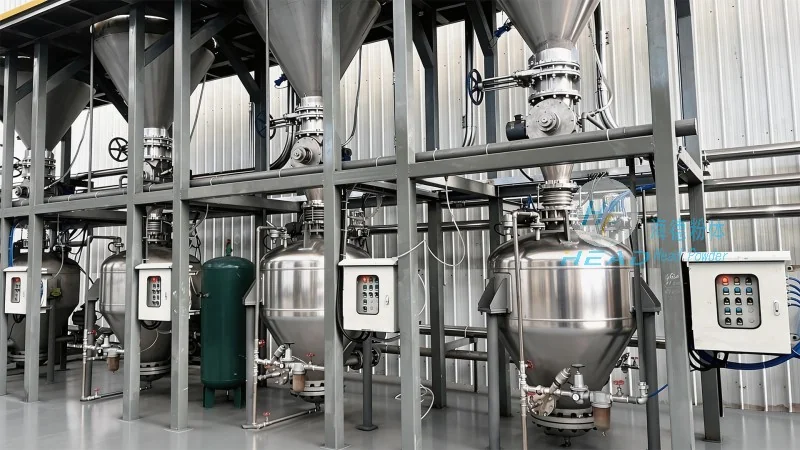
System Overview and Core Components
The sodium carbonate pneumatic conveying line is a sophisticated system that utilizes air pressure to transport solid materials. This method offers advantages over traditional mechanical conveying, including reduced equipment wear, lower maintenance costs, and the ability to handle materials in a dust-free environment. The system typically comprises key components: a hopper for material storage, a blower or compressor to generate air flow, a conveying pipeline, and a separator to collect the material at the destination. Each component is engineered to work in harmony, ensuring efficient and consistent material transport.
Step-by-Step Operation Process
The operation of the sodium carbonate pneumatic conveying line begins with loading the material into the hopper. The hopper is designed to hold a sufficient quantity of sodium carbonate, maintaining a controlled environment to prevent material degradation. Once loaded, the system is activated by starting the blower or compressor. The blower generates a high-pressure air stream that creates a pressure differential between the hopper and the conveying line. This pressure difference draws the sodium carbonate particles into the pipeline, where they are mixed with the air and propelled forward.
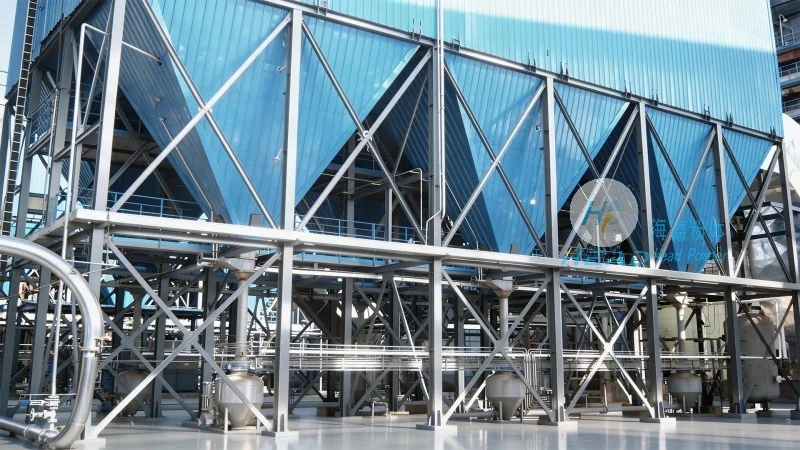
As the material travels through the pipeline, the air velocity is carefully controlled to maintain optimal conditions for transport. The pipeline is typically made of durable materials such as stainless steel or corrosion-resistant plastic, selected to withstand the chemical properties of sodium carbonate. The design of the pipeline includes appropriate bends and elbows to minimize friction and maintain consistent air velocity. At the receiving end of the line, a separator is used to separate the sodium carbonate from the air. The separator may employ cyclonic action or filtration to ensure the material is collected in a clean, dry state, free from residual air.
Working Principle of the System
The working principle of the sodium carbonate pneumatic conveying line is based on fluid dynamics and particle motion. The system operates by creating a high-velocity air stream that entrains the solid particles of sodium carbonate. The air flow carries the material through the pipeline, and the pressure differential ensures continuous material draw from the hopper. The key to efficient operation lies in maintaining correct air velocity and pressure levels. If air velocity is too low, material may settle in the pipeline, causing blockages. Conversely, excessive velocity increases energy consumption and risks material damage.
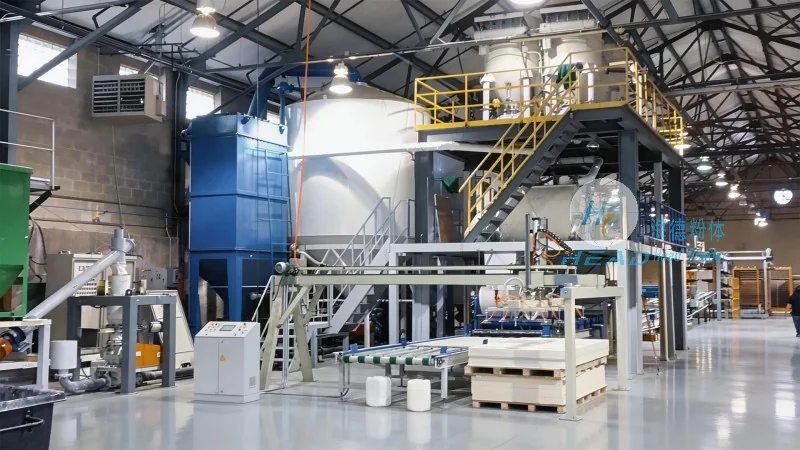
The separator at the end of the line plays a critical role in system efficiency. It uses centrifugal force and gravity to separate solid material from air. Sodium carbonate particles, heavier than air, are forced to the separator's outer wall and fall into a collection bin. The air, now free of solids, is either discharged or recirculated. This separation ensures material is delivered in a clean state, ready for processing or storage.
Key Components and Their Functions
The sodium carbonate pneumatic conveying line includes several critical components: the hopper (storage), blower/compressor (power), conveying pipeline (transport), and separator (recovery). The hopper maintains material quality and provides a controlled feed. The blower generates the necessary air pressure and flow. The pipeline's design (diameter, length, bends) is optimized for material properties and transport distance. The separator ensures material recovery and air purification, preventing waste and maintaining system efficiency.
Benefits and Applications
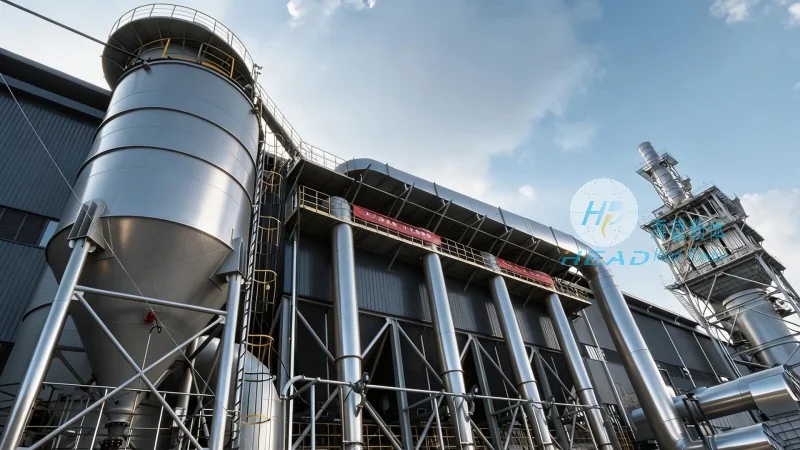
The use of a sodium carbonate pneumatic conveying line offers numerous benefits for industrial operations. These include enhanced safety by eliminating manual handling of bulk materials, reduced labor costs through automated transport, and improved product quality by maintaining a dust-free environment. The system is particularly suitable for applications requiring long-distance or complex layout material transport, such as in chemical plants, food processing facilities, and pharmaceutical manufacturing sites. Its flexibility allows adaptation to various production scales and material types, making it a versatile solution for bulk material handling.
Maintenance and Operational Considerations
To ensure long-term reliability and efficiency, regular maintenance is essential. This includes checking the blower/compressor for proper operation, inspecting the pipeline for wear or blockages, and cleaning the separator to prevent clogging. The system should be monitored for air pressure and flow rates to detect deviations from optimal conditions. Proper maintenance extends equipment lifespan, minimizes downtime, and ensures consistent performance. Safety features like pressure relief valves and dust collection systems protect operators and the environment, aligning with industrial safety standards.




