Sand and gravel pneumatic conveying lines are critical components in modern material handling systems, enabling efficient and reliable transportation of bulk materials like sand, gravel, and other granular substances. These systems are widely used in construction, mining, and industrial applications, offering advantages such as reduced labor costs, minimized material contamination, and enhanced operational flexibility. Understanding the operation process and working principle of such systems is essential for optimizing performance and ensuring smooth workflow in various industrial settings.
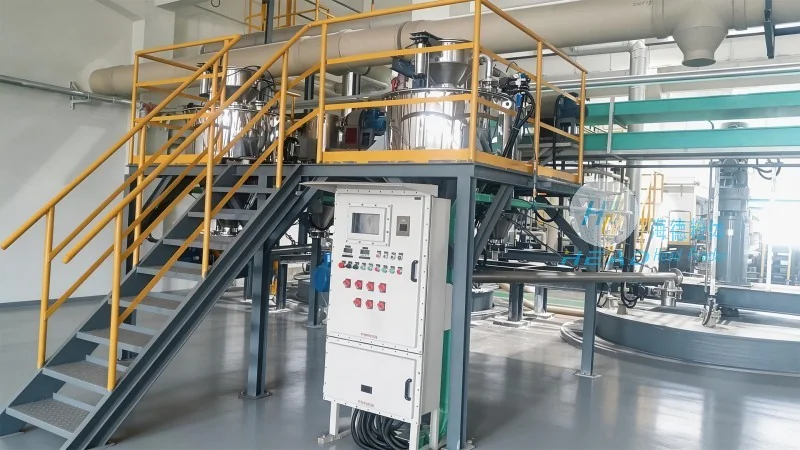
Company Overview: HeadPowder Engineering
HeadPowder, a leading manufacturer based in Shandong, China, specializes in the design, manufacturing, and supply of advanced pneumatic conveying solutions. With years of experience in the industry, HeadPowder Engineering Co., Ltd. has established itself as a trusted partner for businesses seeking high-quality, reliable equipment for material handling. The company's commitment to innovation and customer satisfaction has made it a prominent name in the field of pneumatic conveying technology.
Working Principle of Sand and Gravel Pneumatic Conveying Systems
The core working principle of sand and gravel pneumatic conveying lines revolves around the use of compressed air to transport bulk materials through a pipeline network. The system typically consists of a hopper for material storage, a blower or compressor to generate the necessary air pressure, and a series of pipes and valves to control the flow. As material is fed into the hopper, it is drawn into the pipeline by the moving air, creating a slurry-like mixture that travels through the system. The air pressure and velocity are carefully controlled to ensure the material is transported efficiently without causing blockages or excessive wear on the equipment.
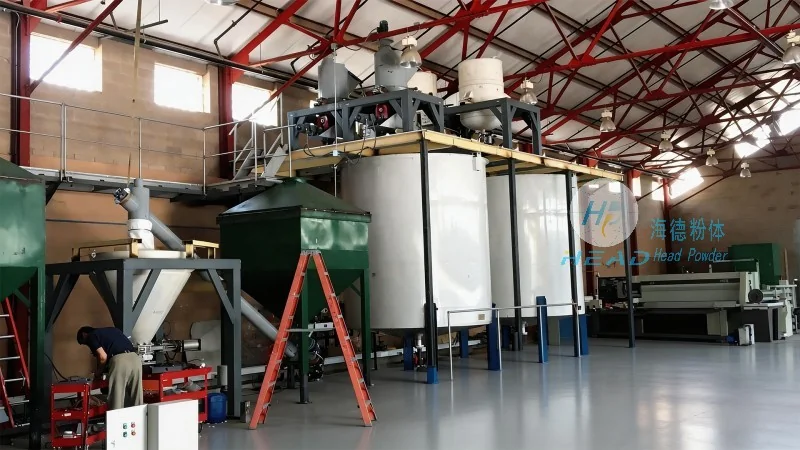
Operation Process of Sand and Gravel Pneumatic Conveying Lines
The operation process of a sand and gravel pneumatic conveying line involves several key steps. First, the material is loaded into the hopper, where it is stored until needed. The system is then activated by starting the blower, which generates the required air pressure. As the air flows through the pipeline, it draws the material from the hopper, forming a consistent flow of the material-air mixture. The system includes various components such as filters, cyclones, and dust collectors to separate the material from the air at the discharge point. This separation process ensures that the material is delivered to the target location while the air is filtered and recycled back into the system, reducing energy consumption and environmental impact.
Key Components and Their Functions
Several critical components make up a sand and gravel pneumatic conveying system, each playing a vital role in the overall operation. The hopper serves as the storage container, providing a large capacity for bulk material. The blower or compressor is the heart of the system, generating the air pressure needed to move the material. The pipeline network connects all components, ensuring the material is transported from the source to the destination. Valves and controls are used to regulate the flow rate and direction of the material, allowing for precise control over the conveying process. Filters and dust collectors are essential for maintaining air quality and preventing material buildup in the system.
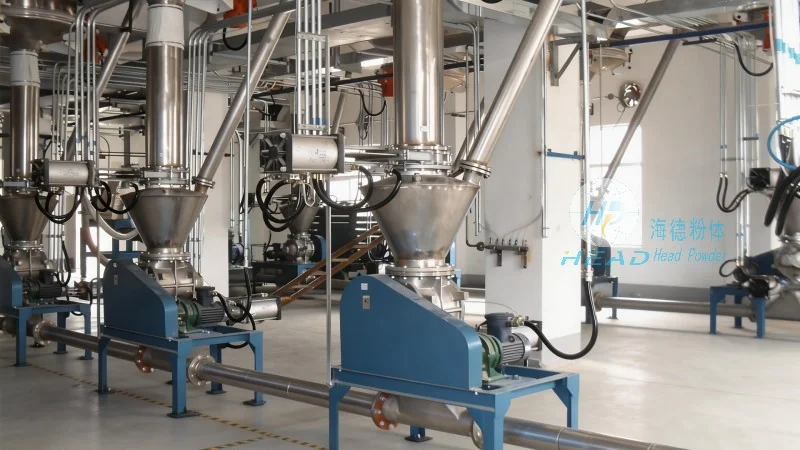
Advantages of Using Sand and Gravel Pneumatic Conveying Lines
Implementing sand and gravel pneumatic conveying lines offers numerous benefits for industrial operations. One of the primary advantages is the reduction in labor costs, as the system automates the material handling process, eliminating the need for manual loading and unloading. Additionally, the system minimizes material contamination, as the enclosed pipeline prevents exposure to dust and other contaminants. This is particularly important for applications where material purity is critical, such as in the construction of high-quality concrete or in the mining industry. The system also offers enhanced operational flexibility, allowing for easy integration with existing production lines and the ability to transport materials over long distances without the need for intermediate storage.
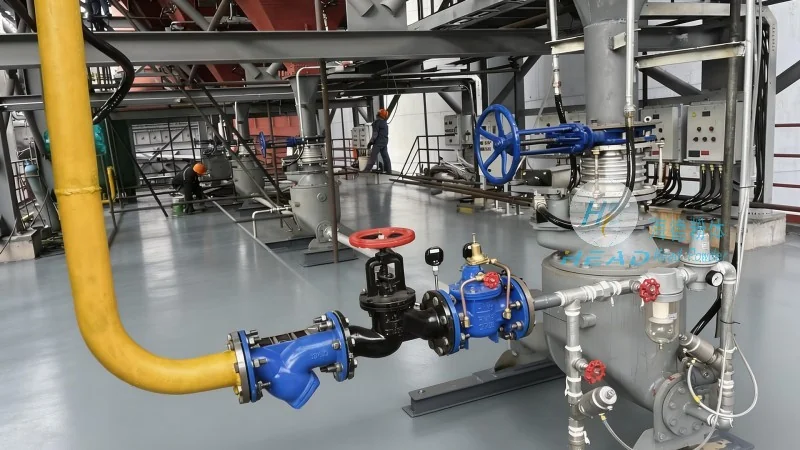
Applications in Various Industries
Sand and gravel pneumatic conveying lines are versatile and find applications in a wide range of industries. In the construction sector, these systems are used to transport sand and gravel to job sites, ensuring a steady supply of materials for concrete production and other construction activities. In the mining industry, they are employed to move ore and other bulk materials from the mine to processing facilities, improving efficiency and reducing transportation costs. The industrial sector also utilizes these systems for the handling of various granular materials, such as in the production of cement, chemicals, and food products. The adaptability of the system makes it suitable for both small-scale and large-scale operations, catering to the diverse needs of different industries.
Maintenance and Operational Considerations
To ensure the long-term performance and reliability of sand and gravel pneumatic conveying lines, proper maintenance and operational considerations are essential. Regular inspection of components such as the blower, pipeline, and filters is necessary to identify and address any potential issues before they escalate into major problems. Cleaning the system regularly, especially the filters and cyclones, helps maintain optimal air flow and prevents material buildup. Monitoring the air pressure and flow rate during operation allows for adjustments to be made to maintain consistent performance. Additionally, training operators on the proper use and maintenance of the system is crucial for maximizing its lifespan and minimizing downtime.




