Bicarbonate of soda, also known as sodium bicarbonate, is a widely used chemical in various industries. The pneumatic conveying line for this material is a specialized system designed to transport the powder efficiently and safely. This article will explore the operation process and working principle of such a system, providing insights into its design, functionality, and practical applications.
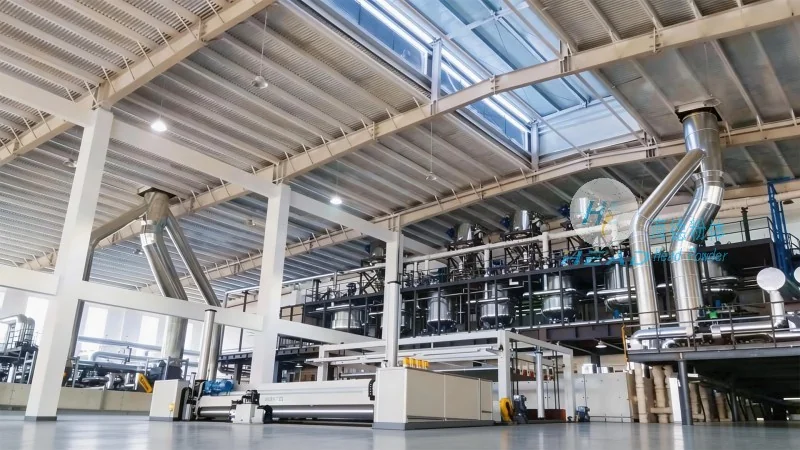
About HeadPowder
HeadPowder, a leading manufacturer based in Shandong, China, specializes in engineering solutions for material handling and processing. With years of experience in the industry, the company has developed advanced pneumatic conveying systems tailored to the unique requirements of handling bicarbonate of soda. The company's headquarters is located in Shandong, China, where its team of experts focuses on innovation and quality in every project.
Working Principle of the Pneumatic Conveying System
The pneumatic conveying line for bicarbonate of soda operates on the principle of air flow to move the powder from the source to the destination. The system typically consists of several key components, including a hopper, a feeder, a conveying line, and a receiver. The process begins with the material being fed into the hopper from a storage silo. The feeder then regulates the flow of the powder into the conveying line, where it is mixed with compressed air. As the air and powder mixture travels through the pipeline, the air provides the necessary force to transport the material. The system may use different types of conveying methods, such as dilute phase or dense phase, depending on the specific application and material characteristics.
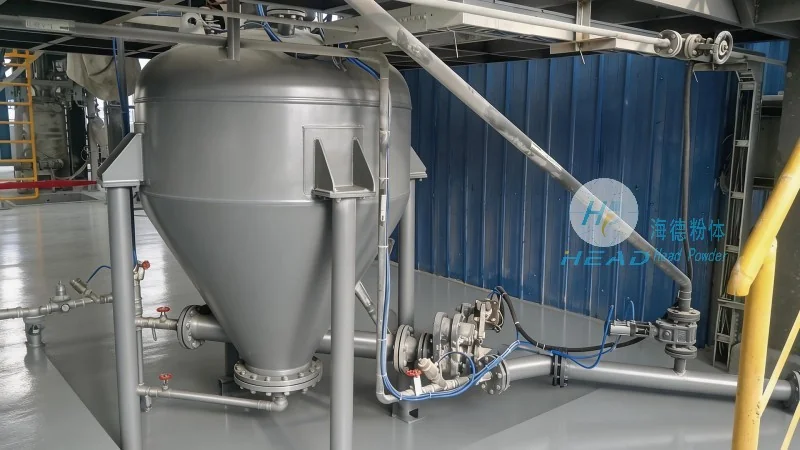
Operation Process of the Bicarbonate of Soda Pneumatic Conveying Line
The operation of the pneumatic conveying line involves several sequential steps that ensure smooth and efficient material transport. First, the material is loaded into the storage silo and then transferred to the hopper of the conveying system. The hopper serves as a buffer to maintain a consistent supply of the powder. Next, the feeder controls the discharge rate of the material into the conveying line. The compressed air is then introduced into the system, creating a flow that carries the powder through the pipeline. The conveying line may include bends, valves, and other components to direct the material to the desired location. Finally, the material is discharged into the receiver, where it is collected for further processing or use. The entire process is automated and monitored to ensure optimal performance and minimal downtime.
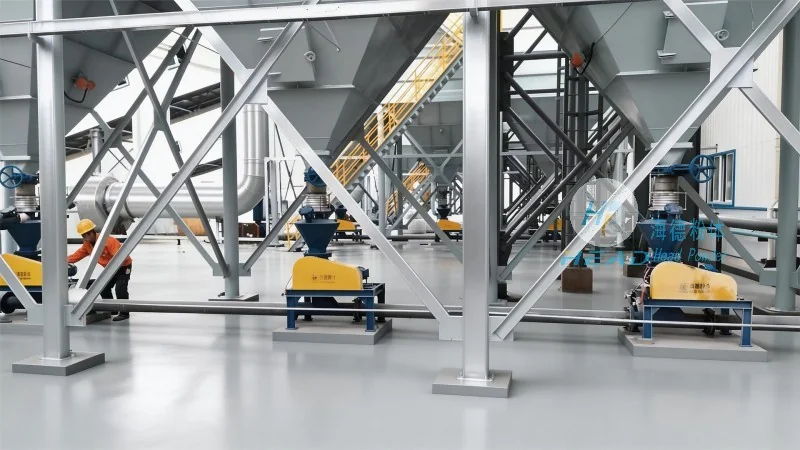
Advantages of the Pneumatic Conveying Line for Bicarbonate of Soda
Using a pneumatic conveying system for bicarbonate of soda offers several advantages over traditional methods like belt conveyors or bucket elevators. One of the key benefits is the ability to transport the material in a closed system, which helps to prevent dust contamination and environmental pollution. The system also provides a high degree of flexibility, as it can be easily reconfigured to accommodate changes in production needs or facility layout. Additionally, the pneumatic conveying line can handle materials with varying particle sizes and moisture content, making it suitable for a wide range of applications. The system is also energy-efficient compared to other transport methods, as it uses compressed air to move the material rather than mechanical components. Overall, the pneumatic conveying line is a reliable and cost-effective solution for handling bicarbonate of soda in industrial settings.
Conclusion
The pneumatic conveying line for bicarbonate of soda is a sophisticated system that combines advanced engineering with efficient material handling. By understanding the operation process and working principle of this system, users can appreciate its benefits and make informed decisions about its implementation. HeadPowder, with its expertise and commitment to quality, continues to provide reliable solutions for the transportation of bicarbonate of soda, ensuring that industrial processes run smoothly and effectively.




