For industrial applications involving the transport of polypropylene materials, pneumatic conveying systems offer an efficient and reliable solution. These systems are designed to handle the unique characteristics of polypropylene, ensuring smooth material flow and minimal product degradation. The following content provides a detailed overview of the operation process and working principles of such systems, highlighting the key components and operational mechanisms.
Company Overview: Shandong HeadPowder Engineering Co., Ltd.
HeadPowder, a leading manufacturer in the field of material handling equipment, specializes in the design, development, and production of advanced pneumatic conveying solutions. With a strong commitment to quality and innovation, the company has established itself as a trusted partner for industries requiring efficient material transport. HeadPowder's expertise lies in tailoring systems to meet specific process requirements, ensuring optimal performance and durability. The company's headquarters is located in Shandong, China, where its state-of-the-art facilities support research, manufacturing, and customer support.
Key Components of Pneumatic Conveying Systems
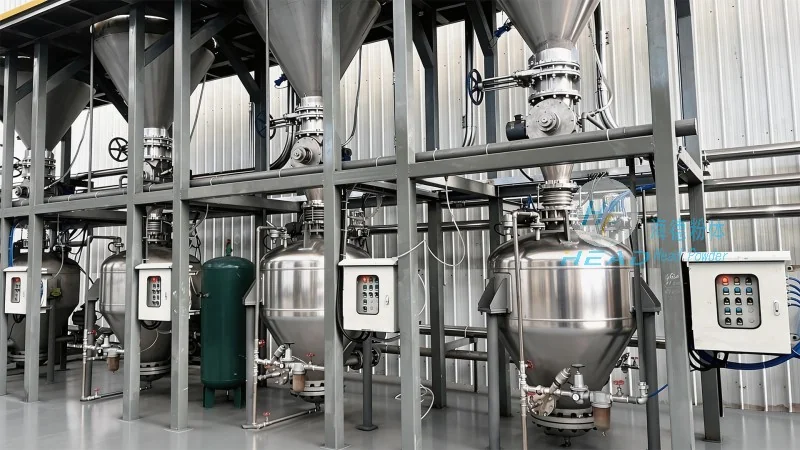
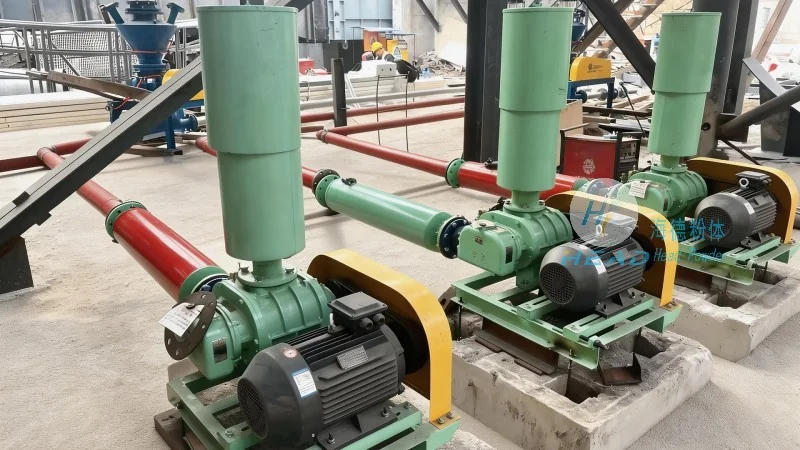
Pneumatic conveying lines for polypropylene typically consist of several critical components that work in concert to facilitate material transport. These components include the hopper, which serves as the storage and feeding unit; the conveying pipeline, which transports the material under pressure; the air compressor, which generates the necessary airflow; and the control system, which regulates the operation of the entire system. Each component plays a vital role in ensuring the smooth and efficient movement of polypropylene particles from the source to the destination.
Operation Process of Polypropylene Pneumatic Conveying Lines
The operation of a polypropylene pneumatic conveying line begins with the loading of material into the hopper. The material is then fed into the conveying pipeline through the use of a feeder, which may be a rotary valve or a screw feeder, depending on the system design. Simultaneously, the air compressor generates high-pressure air, which is introduced into the pipeline. As the air flows through the system, it creates a low-pressure zone that draws the polypropylene particles into the pipeline, forming a dense phase flow. This flow is then propelled towards the destination point, such as a silo or processing unit. The control system monitors the pressure and flow rates, adjusting the air supply to maintain optimal conditions and prevent blockages or material degradation.
Working Principle of Pneumatic Conveying Systems
The core principle of pneumatic conveying is the use of air to transport solid materials. In the case of polypropylene, the system operates on the principle of fluidization and drag. The air compressor provides a continuous stream of air, which creates a pressure differential between the inlet and outlet of the conveying line. This pressure differential generates a force that moves the polypropylene particles through the pipeline. The design of the system, including the diameter and length of the pipeline, as well as the air velocity, is critical in determining the efficiency and capacity of the conveying process. Proper design ensures that the polypropylene particles are transported without excessive wear or degradation, maintaining the quality of the material throughout the process.
Advantages of Using Pneumatic Conveying for Polypropylene
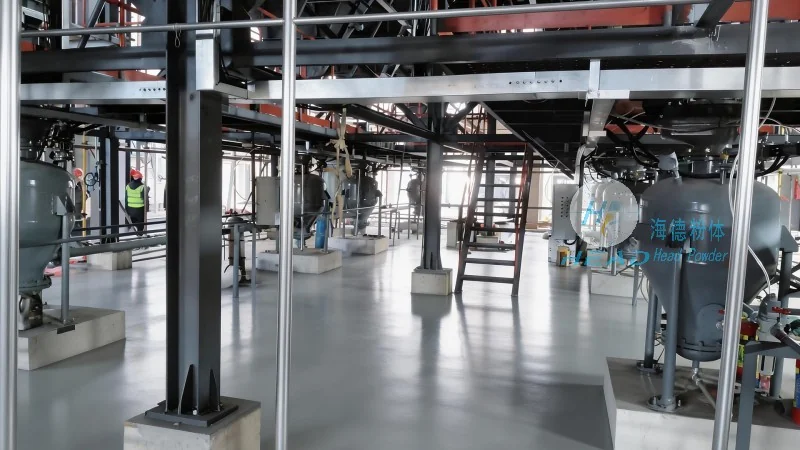
Implementing a pneumatic conveying system for polypropylene offers several advantages over traditional methods like belt conveyors or bucket elevators. These systems are highly efficient in terms of space utilization, as they can be installed in vertical or horizontal configurations without the need for extensive infrastructure. Additionally, pneumatic conveying minimizes product contamination and degradation, as the material is enclosed within the pipeline and not exposed to external elements. The system also allows for precise control over the flow rate and pressure, enabling seamless integration with downstream processes. Furthermore, the lack of moving parts in the conveying line reduces maintenance requirements and operational costs, making it a cost-effective solution for long-term material handling needs.
Application Scenarios and Industry Use Cases
Polypropylene pneumatic conveying lines are widely used in various industries, including plastics manufacturing, chemical processing, and food processing. In the plastics industry, these systems are commonly employed to transport polypropylene pellets from storage silos to extrusion lines or injection molding machines. The ability to handle large volumes of material quickly and efficiently makes the system ideal for high-production environments. In chemical processing, the system is used to transport polypropylene powders or granules between processing units, ensuring a continuous and controlled flow of material. The food processing industry also benefits from these systems, as they provide a hygienic and contamination-free method of transporting polypropylene-based ingredients or packaging materials.




