Phosphate powder pneumatic conveying system equipment is a specialized device used in the phosphate industry to transport phosphate powder efficiently and safely. This system is designed to handle the unique characteristics of phosphate powder, such as its fine particle size and potential for dust generation. The operation process and working principle of this equipment are crucial for ensuring optimal performance and maintaining product quality during material handling.
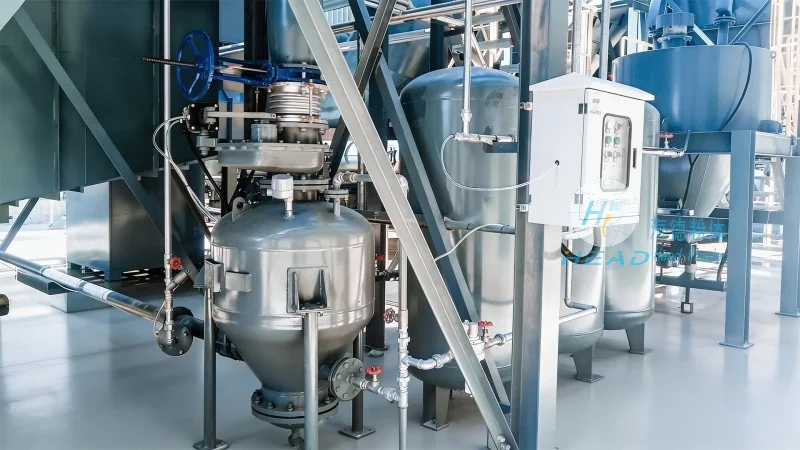
Company Introduction
Shandong HeadPowder Engineering Co., Ltd., commonly known as headpowder, is a leading manufacturer and supplier of pneumatic conveying systems and related equipment. With a strong presence in China, particularly in Shandong province, the company specializes in providing customized solutions for material handling challenges in various industries, including the phosphate sector. Headpowder's expertise lies in designing and manufacturing high-quality equipment that meets the specific demands of clients, ensuring reliable and efficient operation.
Working Principle of Pneumatic Conveying Systems
The core principle of a phosphate powder pneumatic conveying system is the use of air or gas to transport solid particles through a pipeline. This method, known as pneumatic conveying, relies on the creation of a pressure differential or suction to move the material. The system typically consists of a material feed hopper, a conveying line, a control valve, and a discharge point. The process begins with the phosphate powder being fed into the hopper, where it is then introduced into the conveying line under the influence of compressed air. The air flow carries the powder particles through the pipeline, ensuring uniform and continuous transport. The system may use either positive pressure (where air is blown into the line) or negative pressure (where air is drawn out of the line) to achieve the desired conveying effect. The choice of pressure type depends on factors such as the distance to be covered, the material characteristics, and the system layout.
Key Components and Their Functions
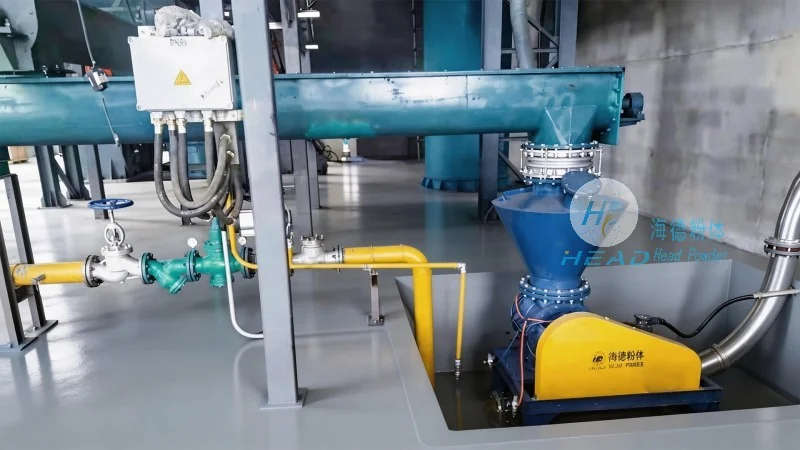
Several key components are integral to the operation of a phosphate powder pneumatic conveying system. The material feed hopper is responsible for storing and feeding the phosphate powder into the system. It is designed to handle the bulk material and ensure a consistent flow rate. The conveying line, usually made of stainless steel or other corrosion-resistant materials, is the main pathway for the powder and air mixture. The control valve, often a rotary or slide valve, regulates the flow of air and material, allowing for precise control over the conveying process. The discharge point, where the powder is released from the system, may include a dust collection system to prevent environmental contamination and ensure compliance with safety regulations. Additionally, the system may incorporate filters and cyclones to separate any fine particles from the air stream, ensuring clean air is released and preventing equipment damage.
Operation Process Step-by-Step
The operation of a phosphate powder pneumatic conveying system follows a systematic process to ensure efficient and safe material transport. The first step involves preparing the system by checking the air supply pressure and ensuring all components are properly connected and functional. Next, the phosphate powder is fed into the hopper, and the control valve is adjusted to initiate the conveying process. The compressed air is then introduced into the conveying line, creating a flow that moves the powder particles through the system. The system monitors the flow rate and pressure to maintain optimal conditions. As the powder reaches the discharge point, it is collected in the designated container. The process continues until the required amount of material has been transported. After completion, the system is shut down, and any residual powder is cleared from the hopper and lines to prevent clogging or contamination.
Advantages of Pneumatic Conveying for Phosphate Powder
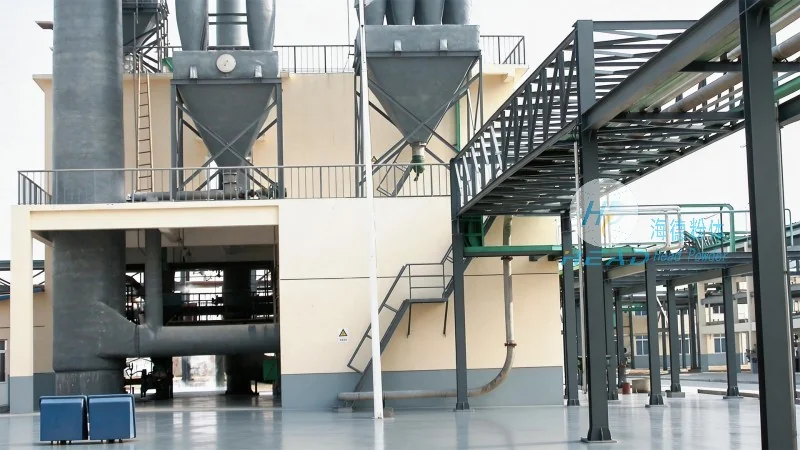
Using a pneumatic conveying system for phosphate powder offers several advantages over traditional methods like belt conveyors or bucket elevators. One of the primary benefits is the ability to handle fine and dusty materials without the need for additional dust suppression equipment. The enclosed system prevents dust from escaping into the environment, reducing health risks and environmental impact. Additionally, pneumatic conveying allows for flexible system layouts, as the conveying line can be installed in various configurations to suit the plant layout. The system also provides better control over the material flow, reducing the risk of product degradation or segregation. Furthermore, the equipment is relatively easy to maintain and can be integrated with other processing equipment, enhancing overall operational efficiency.
Maintenance and Safety Considerations
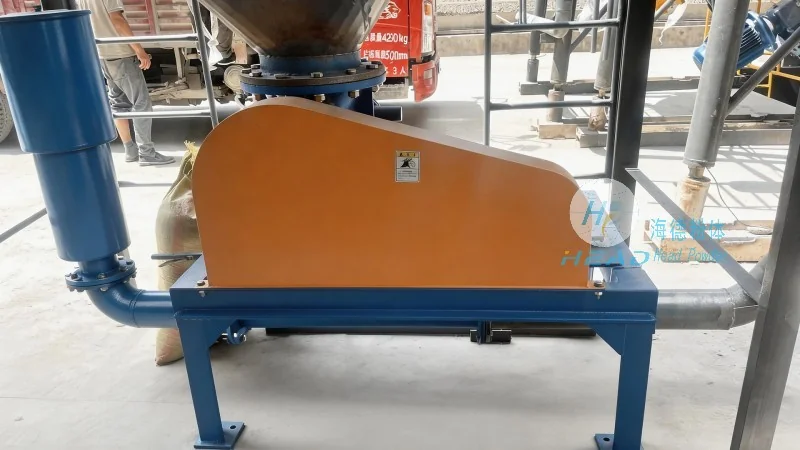
Maintaining the phosphate powder pneumatic conveying system is essential to ensure long-term reliability and performance. Regular maintenance includes checking the air compressor for proper pressure and oil levels, inspecting the conveying line for any signs of wear or corrosion, and cleaning the filters and cyclones to prevent clogging. The system should also be inspected for any leaks in the air lines or connections, as even small leaks can affect the conveying efficiency. Safety considerations are paramount in operating such equipment. Proper personal protective equipment (PPE) should be used by operators, and the system should be equipped with safety interlocks to prevent accidental activation. Additionally, the dust collection system must be regularly maintained to ensure it operates effectively, preventing dust accumulation and potential fire hazards. By following these maintenance and safety guidelines, the system can operate safely and efficiently for extended periods.
Application in the Phosphate Industry
Phosphate powder pneumatic conveying systems are widely used in the phosphate industry for various applications, including raw material transport from storage to processing facilities, intermediate product handling between different processing stages, and final product packaging. The system is particularly useful in processing plants where the material needs to be transported over long distances or through complex layouts. For example, in a fertilizer production plant, the system can transport phosphate powder from the mining site to the processing plant, or from the grinding stage to the mixing stage. The ability to handle large volumes of material efficiently makes the system ideal for high-throughput operations. Additionally, the system's ability to maintain product quality and prevent contamination makes it suitable for applications where the material's purity is critical, such as in the production of food-grade or pharmaceutical-grade phosphates.




