Phenolic powder, also known as Bakelite powder, is a thermosetting plastic powder widely used in various industrial applications due to its excellent electrical insulation properties and mechanical strength. The pneumatic conveying system is a critical component for the efficient and safe transportation of such powders from storage to processing units. This article provides a detailed overview of the operating process and working principle of the phenolic powder pneumatic conveying system equipment, highlighting the key components, operational steps, and technical aspects involved.
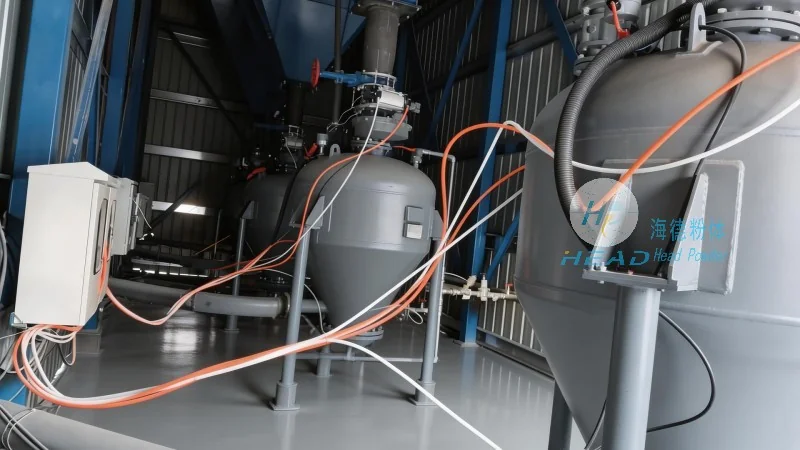
Introduction to Phenolic Powder Pneumatic Conveying Systems
Phenolic powder pneumatic conveying systems are designed to transport dry, free-flowing powders like phenolic powder through a pipeline using compressed air or other gas as the conveying medium. These systems are essential in industries such as plastics manufacturing, electrical components production, and automotive parts fabrication, where phenolic powder is used as a raw material. The primary goal of such systems is to achieve efficient, dust-free, and low-energy transportation of the powder, ensuring minimal product degradation and environmental compliance.
Key Components of the Pneumatic Conveying System
The phenolic powder pneumatic conveying system typically consists of several key components that work in coordination to achieve the desired transportation. These components include the hopper or storage bin, feeder, air compressor or blower, conveying line, control valve, and receiver or discharge hopper. Each component plays a crucial role in the overall operation of the system.
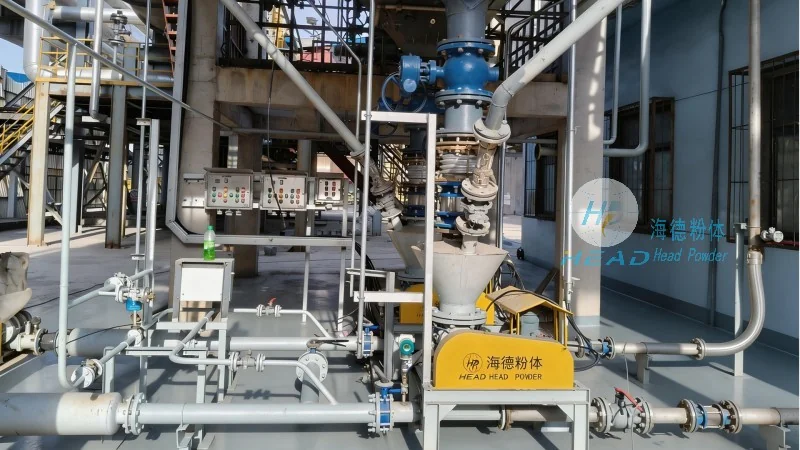
Operating Process of the Phenolic Powder Pneumatic Conveying System
The operation of the phenolic powder pneumatic conveying system involves a series of steps that ensure the smooth and continuous movement of the powder. The process begins with the powder being fed from the storage hopper into the feeder. The feeder, often a rotary valve or a screw feeder, controls the flow rate of the powder into the conveying line. Simultaneously, the air compressor or blower generates the necessary pressure and volume of air to create a flow within the pipeline. The air and powder mixture is then transported through the conveying line to the receiver or discharge point. At the discharge end, the powder is separated from the air, typically through a cyclone separator or a filter, and collected in the receiver. The air, now free of powder particles, is either vented to the atmosphere or recirculated back to the blower, depending on the system design.
Working Principle of the Pneumatic Conveying System
The working principle of the phenolic powder pneumatic conveying system is based on the principle of fluidization and the momentum transfer between the conveying medium (air) and the powder particles. When compressed air is introduced into the conveying line, it creates a low-pressure zone that draws the powder particles into the pipeline. The air flow velocity is maintained at a level sufficient to keep the powder particles suspended and transported without causing excessive wear or degradation. The system relies on the balance between the air velocity and the particle size, density, and flow characteristics of the phenolic powder to ensure stable and efficient conveying. The control valve and pressure sensors play a vital role in regulating the air flow and maintaining the optimal pressure and flow rate throughout the system.
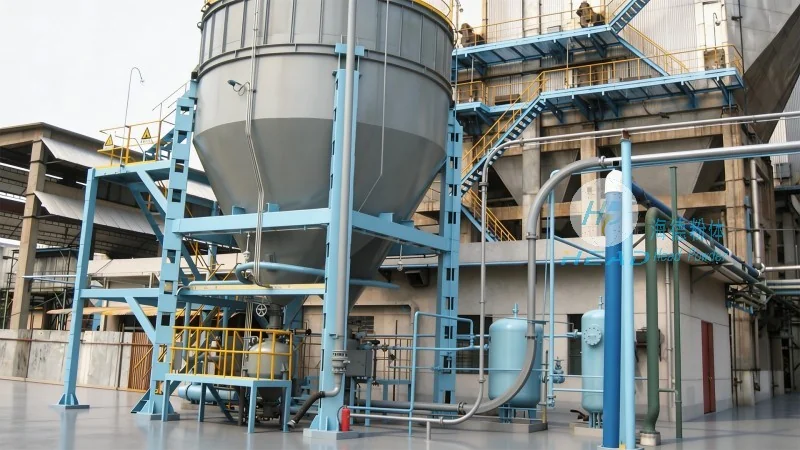
Advantages of Phenolic Powder Pneumatic Conveying Systems
Phenolic powder pneumatic conveying systems offer several advantages over traditional mechanical conveying methods. These include the ability to transport powders over long distances, the reduction of dust exposure and contamination, the elimination of product degradation due to friction, and the lower energy consumption compared to other methods. The systems are also flexible and can be easily integrated into existing production lines, allowing for seamless material handling and process optimization.
Applications and Industries
Phenolic powder pneumatic conveying systems are widely used in various industries where phenolic powder is a critical raw material. These include the electrical and electronics industry, automotive industry, and manufacturing of industrial components. The systems are particularly suitable for applications requiring high purity, low contamination, and efficient material handling, such as the production of insulating parts, automotive parts, and specialized plastic components.
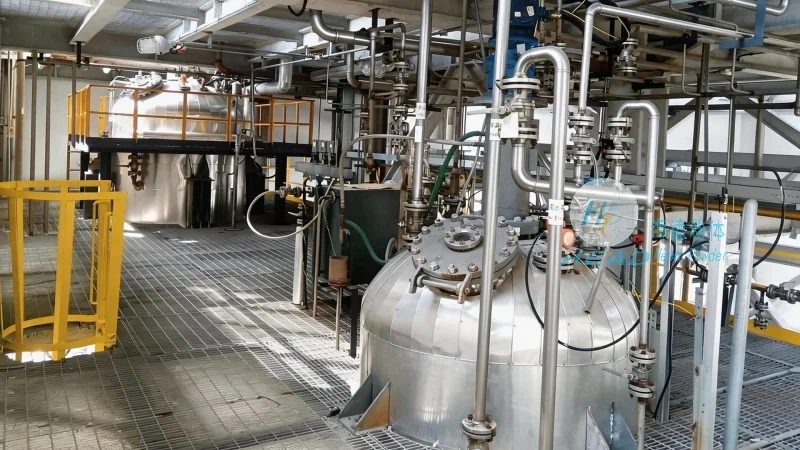
Maintenance and Operational Considerations
Proper maintenance and operational considerations are essential to ensure the long-term efficiency and reliability of the phenolic powder pneumatic conveying system. Regular cleaning of the conveying line, feeder, and cyclone separator is necessary to prevent clogging and maintain optimal performance. The air compressor or blower should be regularly inspected and maintained to ensure consistent air pressure and flow. Additionally, monitoring the system's pressure and flow rates, as well as the powder feed rate, helps in identifying any potential issues and adjusting the system parameters accordingly. Proper training of operators on the system's operation and safety procedures is also crucial to prevent accidents and ensure compliance with safety regulations.
Conclusion
In conclusion, the phenolic powder pneumatic conveying system is a sophisticated and efficient solution for the transportation of phenolic powder in industrial applications. The system's working principle, based on pneumatic conveying, ensures the safe and effective movement of the powder while minimizing product degradation and environmental impact. With proper design, installation, and maintenance, these systems can significantly enhance the productivity and operational efficiency of phenolic powder handling processes. As a leading manufacturer of such systems, Shandong HeadPowder Engineering Co., Ltd. provides high-quality equipment tailored to meet the specific needs of various industries, ensuring reliable and cost-effective material handling solutions.




