Wheat bran pneumatic conveying systems are crucial equipment in the food processing industry, especially for handling and transporting wheat bran efficiently. This article provides a detailed overview of the operation process and working principle of such systems, highlighting their key components, operational steps, and the benefits they offer in industrial applications.
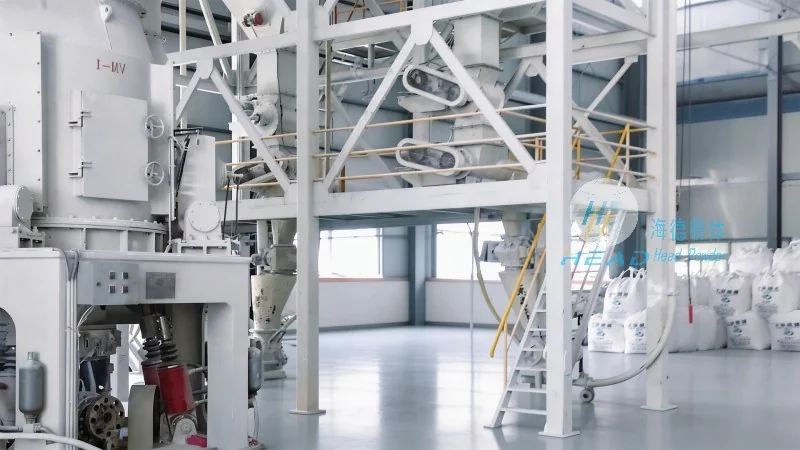
Introduction to Wheat Bran Pneumatic Conveying Systems
Wheat bran, a byproduct of wheat milling, is widely used in animal feed, dietary supplements, and other food products. Efficient handling and transportation of wheat bran are vital to maintain product quality and operational efficiency. Pneumatic conveying systems, which use air to move bulk materials like wheat bran, offer a reliable and cost-effective solution. The system developed by Shandong HeadPowder Engineering Co., Ltd. (commonly known as headpowder) is designed to meet the specific needs of wheat bran processing, ensuring smooth and continuous material flow.
Key Components of the Pneumatic Conveying System
The wheat bran pneumatic conveying system consists of several critical components that work together to achieve effective material transport. These include:
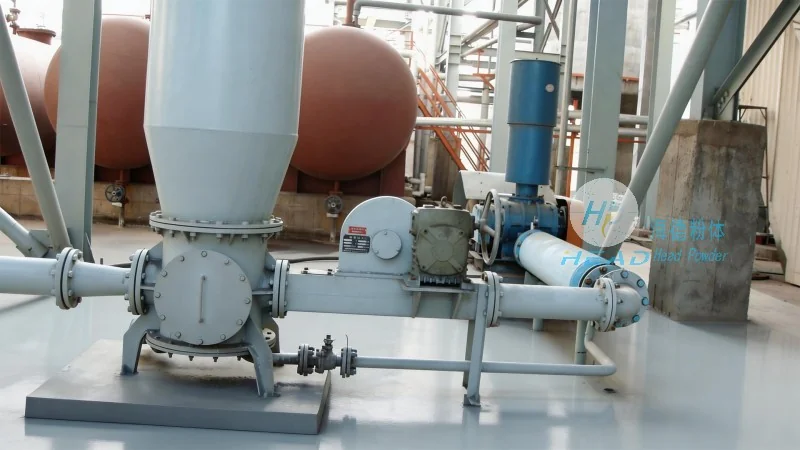
- Feeder: The feeder feeds wheat bran into the system at a controlled rate, ensuring consistent material flow and preventing blockages.
- Conveying Line: The conveying line, typically made of stainless steel, transports wheat bran using air pressure. Its design, including bends and straight sections, is optimized to minimize material degradation and energy use.
- Air Supply Unit: This component generates the necessary air pressure and volume. It includes a blower, air filters, and control valves to regulate airflow.
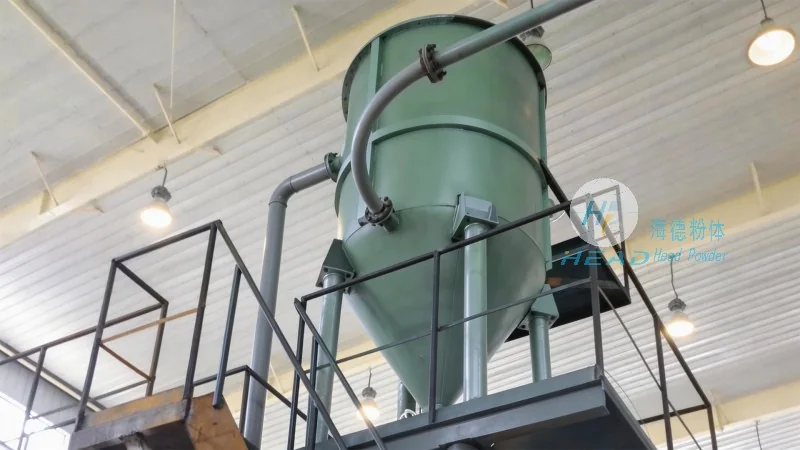
- Separation and Cleaning System: After transport, this system separates wheat bran from air. It may use cyclones or filters to ensure the material is clean and free of contaminants.
- Control System: The control system monitors and regulates all components. It uses sensors, valves, and a control panel to adjust parameters like air pressure and material flow rate.
Operation Process of the Wheat Bran Pneumatic Conveying System
The operation of the system follows a systematic process, broken down into these steps:
- Material Loading: Wheat bran is loaded into the feeder from a storage bin or hopper. The feeder then feeds material into the conveying line at a controlled rate.
- Air Injection: The air supply unit generates required air pressure and injects it into the conveying line. The air and wheat bran mixture is propelled toward the destination.
- Transportation: The air pressure maintains wheat bran in suspension as it moves through the line, preventing settling or clogging.
- Delivery: At the end of the line, wheat bran is deposited into a receiving container or processing equipment. The separation system removes air, ensuring the material is clean and ready for the next stage.
- System Monitoring: The control system continuously monitors operation, adjusting parameters as needed. It detects and addresses issues like blockages or pressure drops to prevent downtime.
Working Principle of the Pneumatic Conveying System
The system operates based on air pressure to move bulk materials. It creates a pressure differential between the inlet and outlet of the conveying line. The air supply unit generates high-pressure air, which is introduced at the inlet. The air flows through the line, carrying wheat bran particles. The air velocity is maintained to keep wheat bran in suspension, avoiding clogs.
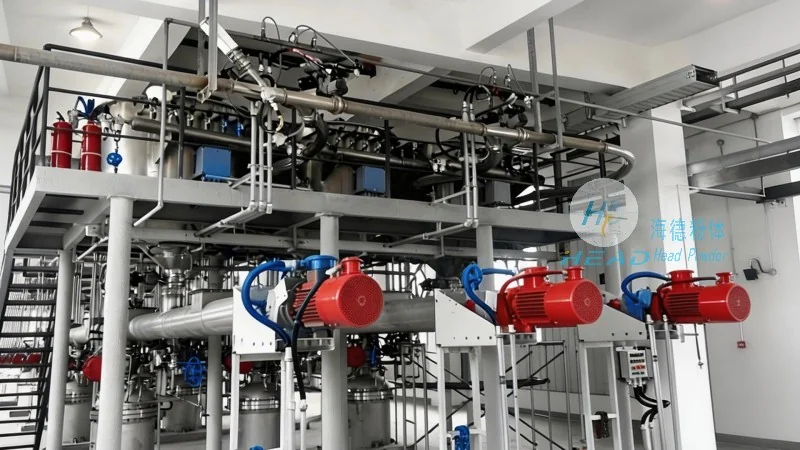
The separation system at the outlet uses centrifugal force or other mechanisms to separate wheat bran from air. The air is discharged or recirculated, while wheat bran is collected. The control system ensures air pressure and flow rate are optimal, maintaining efficient and reliable transport.
Benefits and Advantages of the Wheat Bran Pneumatic Conveying System
The system developed by Shandong HeadPowder Engineering Co., Ltd. offers several advantages over traditional methods:
- Efficient Material Transport: Provides continuous flow, reducing manual handling and improving productivity.
- Low Maintenance: Durable components and minimal moving parts lower maintenance costs and extend service life.
- Hygienic and Clean: Stainless steel and corrosion-resistant materials meet food industry hygiene standards and are easy to clean.
- Energy Efficient: Optimized design uses minimal energy while maintaining high conveying efficiency, reducing operational costs.
- Customizable: Can be tailored to specific wheat bran processing needs, ensuring optimal performance and efficiency.
Conclusion
Wheat bran pneumatic conveying systems are essential for modern wheat bran processing. The system from Shandong HeadPowder Engineering Co., Ltd. offers an efficient, reliable, and cost-effective solution for handling and transporting wheat bran. Understanding the operation process and working principle helps users make informed decisions about material handling needs and improve overall operational efficiency.




