Phenolic powder, also known as Bakelite powder, is a thermosetting plastic powder widely used in various industrial applications due to its excellent electrical insulation properties and mechanical strength. The efficient handling and transportation of phenolic powder are crucial for industrial production processes. This article provides a detailed overview of the operation process and working principle of specialized phenolic powder material handling equipment, highlighting key components, operational steps, and the importance of proper equipment design for maintaining material quality and process efficiency.
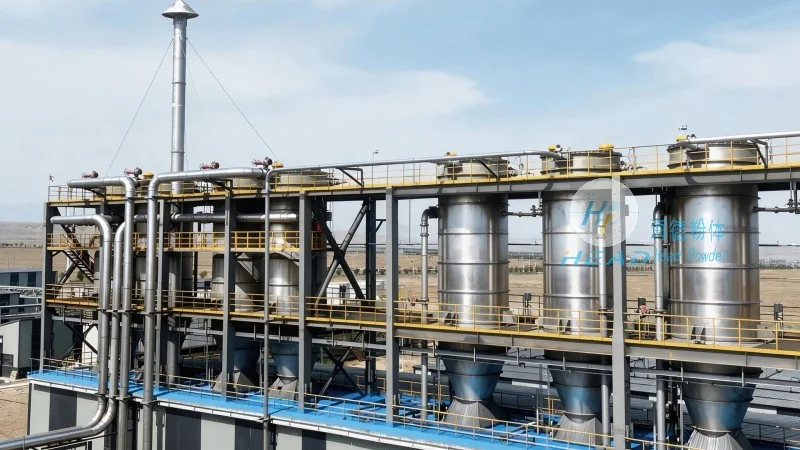
Key Components of Phenolic Powder Handling Systems
The phenolic powder material handling equipment typically consists of several core components that work in coordination to ensure smooth material flow. These components include feed hoppers, conveyor systems (such as screw conveyors or pneumatic conveyors), dust collection systems, and control panels. Each component plays a vital role in the overall operation, and their proper integration is essential for optimal performance.
Feed Hopper and Material Storage
The feed hopper is the initial component where phenolic powder is stored before processing. It is designed with a sloped bottom to facilitate material discharge and prevent clogging. The hopper is usually made of corrosion-resistant materials like stainless steel or special plastics to withstand the chemical properties of phenolic powder and ensure long-term durability. The storage capacity of the hopper is tailored to meet the production demand, allowing for continuous operation without frequent refilling.
Conveyor System: Screw Conveyor for Phenolic Powder
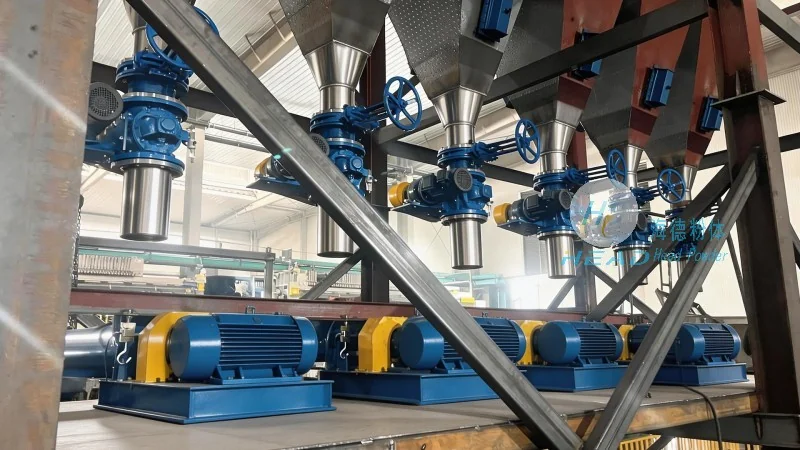
For phenolic powder, screw conveyors are commonly used due to their ability to handle fine powders without causing excessive friction or particle degradation. The screw conveyor consists of a rotating screw (auger) inside a cylindrical tube. As the screw rotates, it pushes the powder forward along the tube. The design of the screw, including the pitch and diameter, is optimized to prevent material buildup and ensure consistent flow. The screw conveyor is equipped with a motor-driven gearbox that provides the necessary torque and speed for smooth operation. The material is transported from the feed hopper to the processing or packaging area through the screw conveyor, maintaining a controlled and uniform flow rate.
Pneumatic Conveying as an Alternative
In some applications, pneumatic conveying systems are employed for phenolic powder handling. These systems use air pressure to transport the powder through a pipeline. The powder is mixed with air in a hopper and then propelled through the pipeline by a blower or compressor. Pneumatic conveyors are particularly useful for long-distance or high-temperature applications, as they can handle larger volumes and maintain material integrity. However, they require careful design to prevent dust accumulation and ensure efficient air-powder separation.
Dust Collection and Air Filtration
Phenolic powder is a fine particulate material that can generate significant dust during handling. To maintain a clean and safe working environment, dust collection systems are integrated into the material handling equipment. These systems typically include cyclone separators, bag filters, or cartridge filters that capture the powder particles from the air stream. The collected powder is then returned to the feed hopper, while the clean air is released back into the environment. Proper filtration is essential to prevent dust contamination in downstream processes and to comply with environmental regulations.
Control and Monitoring Systems
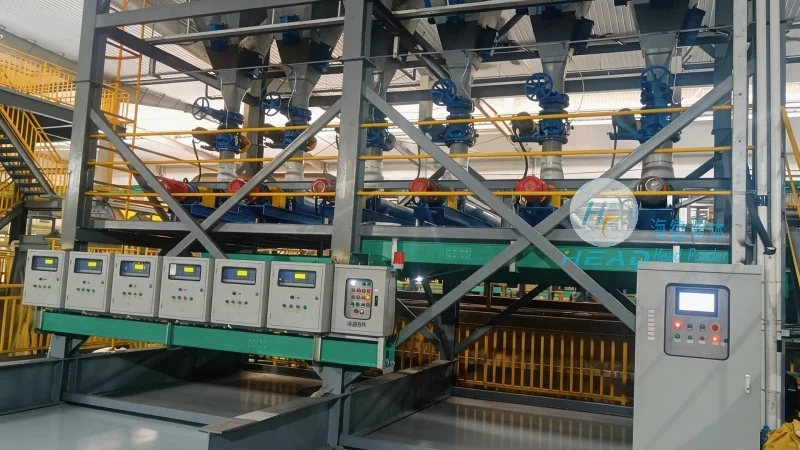
The operation of phenolic powder handling equipment is managed through advanced control systems that monitor various parameters such as flow rate, pressure, and temperature. These systems use sensors and control valves to adjust the conveyor speed, air pressure, and other variables in real-time, ensuring stable material flow. The control panels are equipped with digital displays and alarms that provide operators with immediate feedback on the system status. This allows for quick troubleshooting and maintenance, minimizing downtime and maximizing productivity.
Operational Process Flow
The operation of phenolic powder material handling equipment follows a systematic process flow. First, the phenolic powder is loaded into the feed hopper from a bulk storage container. The hopper then feeds the powder into the conveyor system, which transports it to the processing area. Simultaneously, the dust collection system continuously removes airborne powder particles from the environment. The control system monitors all parameters and adjusts the equipment settings as needed to maintain optimal performance. The entire process is automated, allowing for continuous and unattended operation, which is crucial for high-volume production lines.
Working Principle: From Material Inlet to Outlet
The working principle of phenolic powder handling equipment is based on the principles of mechanical transport and air filtration. When the system is started, the motor drives the screw conveyor or the blower in the pneumatic system. The powder is then moved through the conveyor or pipeline under the influence of gravity or air pressure. The dust collection system captures any particles that escape during the transport process, ensuring that the material remains clean and free from contamination. The control system continuously adjusts the operation to maintain a consistent flow rate, preventing overloading or underloading of the equipment. This integrated approach ensures that the phenolic powder is handled efficiently and safely, meeting the quality standards required for its intended applications.
Importance of Proper Equipment Design
The design of phenolic powder handling equipment is critical to ensure the quality and efficiency of the material handling process. Proper equipment design considers factors such as material properties (e.g., particle size, moisture content), flow characteristics, and environmental conditions. For example, the use of anti-static materials and proper grounding can prevent static buildup, which is common in fine powders like phenolic. The equipment is also designed to minimize friction and heat generation, as excessive heat can cause the powder to degrade or change its properties. Additionally, the equipment must comply with safety regulations to protect operators from dust exposure and mechanical hazards. By adhering to these design principles, manufacturers can ensure that the phenolic powder handling equipment operates reliably and efficiently, contributing to overall production success.




